Công ty Hải Đức Bột với hơn 10 năm kinh nghiệm vận chuyển khí, cung cấp hệ thống‑thiết bị‑quạt gió và nhận dự án tổng thầu bột cả nước
When it comes to handling sintered dust, selecting the right conveying method is crucial for efficiency, safety, and operational reliability. Sintered dust, a byproduct of sintering processes in industries such as steelmaking and metallurgy, requires specialized equipment to transport it from one location to another. The choice of conveying method depends on factors like dust characteristics, distance, volume, and environmental regulations. This article explores various methods commonly used for sintered dust conveying, providing insights into their applications and benefits.
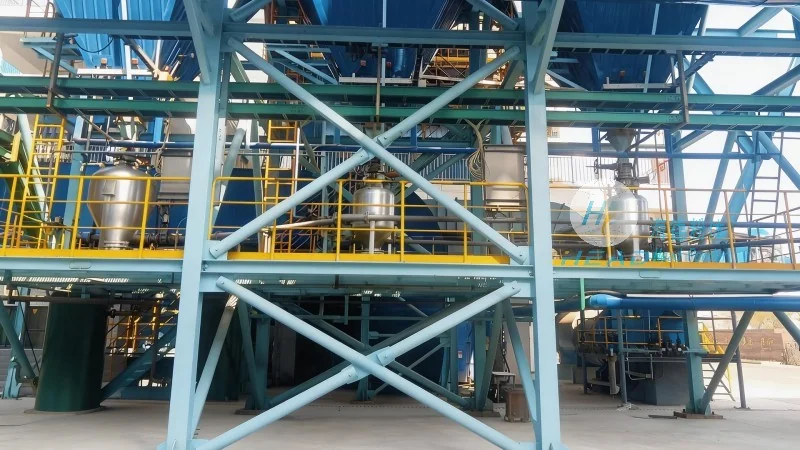
1. Screw Conveyors for Sintered Dust
Screw conveyors, also known as auger conveyors, are widely used for sintered dust transport due to their simplicity and effectiveness. These systems consist of a rotating helical screw inside a trough or tube, which moves the material forward through the mechanism. Screw conveyors are particularly suitable for handling dry, free-flowing sintered dust with low to moderate moisture content. They are easy to install, maintain, and can operate in both horizontal and slight incline configurations. The design allows for enclosed transport, which helps in controlling dust emissions and preventing contamination. For sintered dust with varying particle sizes, some models feature adjustable pitch screws to optimize material flow. This method is ideal for short to medium-distance conveying, typically up to 30 meters, and is commonly used in small to medium-sized sintering plants.
2. Pneumatic Conveying Systems
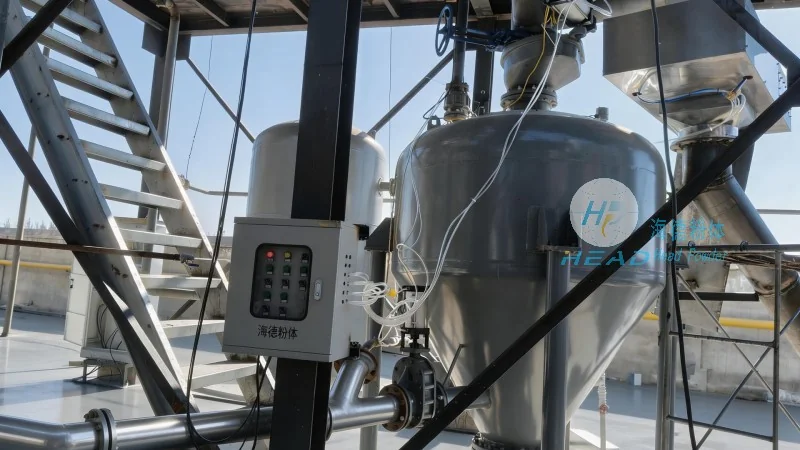
Pneumatic conveying systems use air or other gases to transport sintered dust through a pipeline network. These systems can be categorized into two main types: pressure and vacuum. Pressure systems force air and dust through the pipeline, while vacuum systems draw the material into the system. Pneumatic conveying offers several advantages, including the ability to transport dust over longer distances, often up to several hundred meters, and the flexibility to route the material through complex layouts. This method is particularly effective for dusty environments where enclosed transport is essential to maintain safety and comply with environmental standards. Pneumatic systems can handle a wide range of dust characteristics, including fine particles and those with high moisture content, though they may require additional equipment like cyclones or filters to separate the dust from the air stream. The main drawback is the higher energy consumption compared to mechanical conveyors, but advancements in energy-efficient designs have mitigated this issue to some extent.
3. Belt Conveyors for Bulk Sintered Dust
Belt conveyors are a classic choice for transporting bulk sintered dust, especially in large-scale industrial operations. These systems consist of a continuous belt that moves over rollers or pulleys, carrying the material from the source to the destination. Belt conveyors are capable of handling high volumes of sintered dust and can cover long distances, often exceeding 100 meters. They are suitable for both dry and slightly moist sintered dust, provided the moisture content is manageable to prevent belt slip or material buildup. The design allows for easy integration with other equipment, such as feeders and storage silos, making it a versatile solution for material handling. Belt conveyors are commonly used in sintering plants for transporting raw materials as well as the resulting dust, providing a cohesive system for material flow. However, they require regular maintenance to ensure the belt remains in good condition and to prevent dust accumulation, which can affect performance and safety.
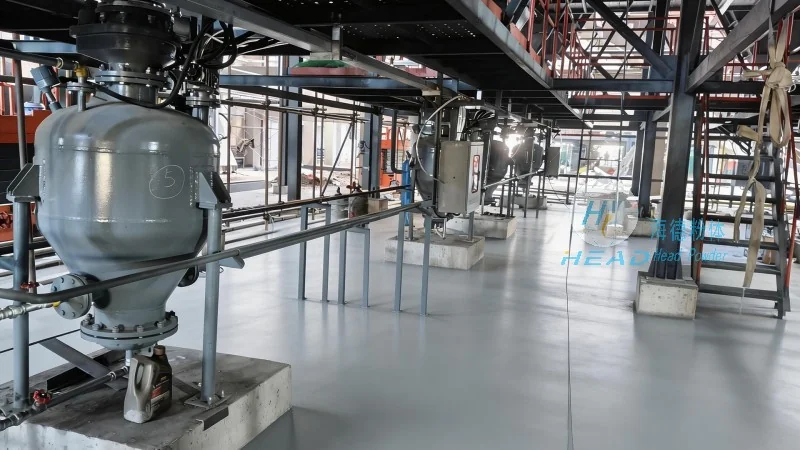
4. Bucket Elevators for Vertical Sintered Dust Transport
For vertical or high-rise sintered dust transport, bucket elevators are an effective solution. These systems use a vertical or inclined conveyor with buckets attached to a chain or belt, which lifts the material upward. Bucket elevators are ideal for transporting sintered dust over vertical distances, often up to several tens of meters, and can handle both dry and wet dust. The enclosed design of bucket elevators minimizes dust dispersion, making them suitable for environments where dust control is critical. They are commonly used in sintering plants to move dust from lower levels to higher storage silos or processing units. The main advantage of bucket elevators is their ability to handle vertical transport efficiently, reducing the need for additional horizontal conveyors. However, they require careful alignment and maintenance to prevent bucket damage or chain failure, which could lead to material spillage or system downtime.
5. Hydraulic Conveying Systems
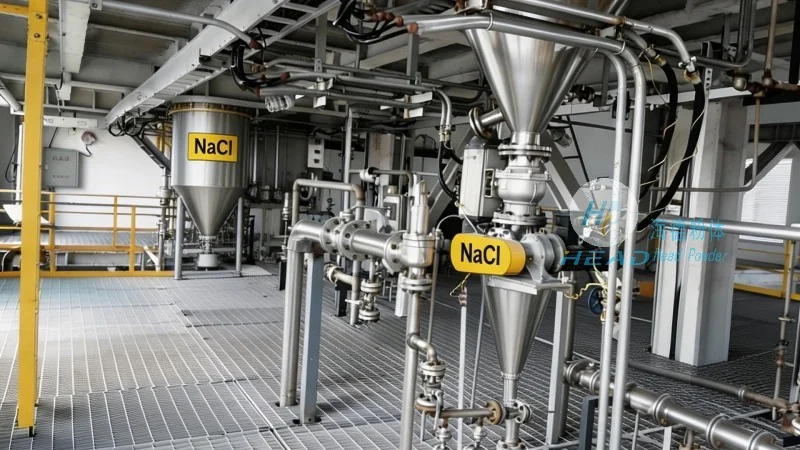
Hydraulic conveying systems use water or other liquids to transport sintered dust through a pipeline. The dust is suspended in the liquid, which is then pumped through the system. This method is particularly effective for handling fine sintered dust with high moisture content, as the liquid helps to keep the particles suspended and prevents clogging. Hydraulic conveying is commonly used in applications where the dust is too fine for pneumatic systems or where the moisture content is high. The system typically includes a pump, a pipeline network, and a separator to remove the dust from the liquid stream. The main benefits of hydraulic conveying include its ability to transport dust over long distances with minimal pressure drop and its suitability for handling abrasive materials. However, the system requires regular cleaning and maintenance to prevent blockages and corrosion, and the disposal of the liquid waste must be managed properly to comply with environmental regulations.
6. Combination Conveying Systems
In many industrial settings, a single conveying method may not be sufficient to meet all the requirements for sintered dust transport. Combination systems, which integrate multiple technologies, are often employed to address specific challenges. For example, a system might use a screw conveyor for initial transport, followed by a pneumatic conveyor for longer distances, or a belt conveyor for bulk handling and a bucket elevator for vertical transport. These hybrid systems allow for greater flexibility and efficiency, enabling the handling of diverse dust characteristics and operational needs. Combination systems are particularly useful in large-scale sintering plants where different sections of the facility require different conveying solutions. They may involve complex control systems to coordinate the operation of multiple components, ensuring smooth and continuous material flow. The main advantage of combination systems is their ability to optimize the overall conveying process, reducing energy consumption and improving productivity. However, they require careful planning and integration to ensure compatibility and reliability.
When selecting a sintered dust conveying method, it is essential to consider the specific characteristics of the dust, the distance and layout of the plant, and the environmental and safety regulations in place. Each method has its own advantages and limitations, and the optimal choice depends on the unique requirements of the operation. By understanding the different options available and their applications, industrial facilities can choose the most suitable conveying system to ensure efficient and safe handling of sintered dust. Whether using screw conveyors, pneumatic systems, belt conveyors, bucket elevators, or hydraulic methods, the goal is to maintain operational efficiency while minimizing environmental impact and ensuring worker safety.

 Công ty TNHH Kỹ thuật Công trình Bột Hải Đức Sơn Đông
 156-6277-7102(Quản lý Trương)
  0531-83386006
  Quận Chương Khâu, Thành phố Tế Nam, Tỉnh Sơn Đông, Trung Quốc
Điện thoại
WeChatTư vấn
Lên đầu