Công ty Hải Đức Bột với hơn 10 năm kinh nghiệm vận chuyển khí, cung cấp hệ thống‑thiết bị‑quạt gió và nhận dự án tổng thầu bột cả nước
Efficient and reliable corn flour conveying is a critical aspect of the processing industry, particularly in food production and agricultural applications. The proper selection of conveying methods ensures the safe and efficient movement of corn flour from storage to processing units. This article explores various methods used for corn flour conveying, highlighting the key considerations and advantages of each approach, with a focus on solutions provided by Shandong HeadPowder Engineering Co., Ltd., a leading manufacturer based in China.
Overview of Corn Flour Conveying Methods
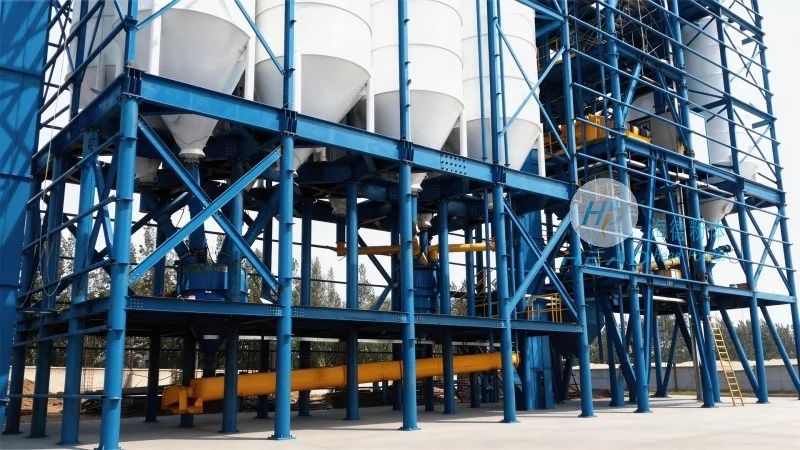
Corn flour, with its fine texture and potential for dust generation, requires specialized conveying systems to maintain quality and prevent contamination. The choice of conveying method depends on factors such as the volume of material, the distance to be conveyed, the need for dust control, and the overall system layout. Common methods include mechanical conveyors, pneumatic systems, and gravity-based solutions. Each method has its own set of advantages and limitations, making it essential to evaluate the specific requirements of the operation before selecting a suitable option.
1. Mechanical Conveyors for Corn Flour Handling
Mechanical conveyors are widely used in corn flour processing due to their robustness and ability to handle large volumes of material. These systems typically consist of components like belts, screws, and buckets, which are designed to transport corn flour in a controlled manner. The corn flour conveyor is a common example, utilizing a continuous belt or screw to move material horizontally or at an incline. Belt conveyors are particularly effective for long-distance horizontal transport, while screw conveyors excel at vertical or inclined movement. Mechanical conveyors offer high capacity, low maintenance, and the ability to handle abrasive materials, making them a preferred choice for many industrial applications.
2. Pneumatic Conveying Systems
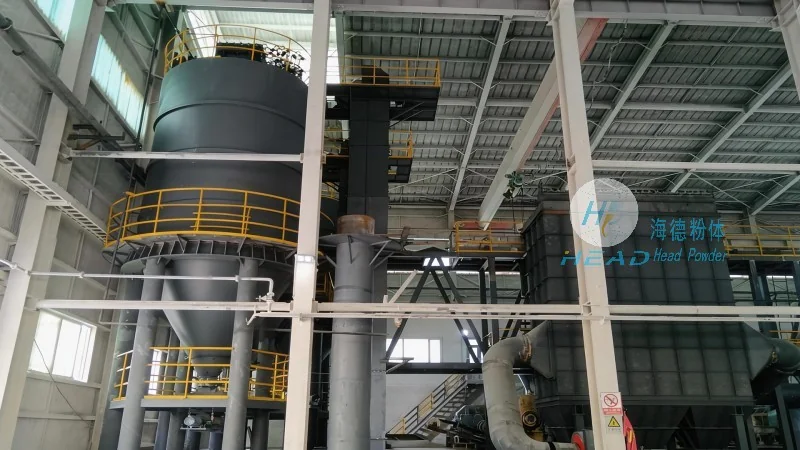
Pneumatic conveying uses air pressure to transport corn flour through a pipeline system. This method is ideal for applications requiring dust-free and hygienic handling, as it minimizes the risk of contamination and exposure to airborne particles. The system typically includes a blower, a hopper, and a receiver, with the corn flour being drawn into the pipeline by the air flow. There are two main types of pneumatic conveying: pressure and vacuum systems. Pressure systems use compressed air to push the material forward, while vacuum systems use a vacuum to pull the material into the line. Pneumatic conveying is particularly effective for short to medium distances and can handle fine powders without the need for additional equipment. However, it may require higher energy input and careful maintenance to ensure consistent performance.
3. Gravity Conveying Solutions
Gravity conveying relies on the natural force of gravity to move corn flour from higher to lower elevations. This method is often used in conjunction with other systems or as a standalone solution for short vertical or inclined transport. Gravity chutes or slides are commonly employed, allowing the corn flour to flow down a sloped surface under its own weight. This approach is simple, low-cost, and requires minimal energy input, making it suitable for applications where the material can be conveyed over short distances without the need for mechanical assistance. However, gravity conveying is limited by the slope required and the risk of material buildup or blockages, which can affect efficiency and safety.
4. Combined Conveying Systems
In many industrial settings, a combination of the above methods is used to achieve optimal conveying performance. For example, a system might start with a mechanical conveyor to transport corn flour from a storage silo to a processing area, followed by a pneumatic system to move the material to a packaging unit. This integrated approach allows for flexibility and efficiency, as each method is selected based on the specific requirements of the transport segment. The use of combined systems can also help mitigate the limitations of individual methods, such as the need for dust control or the ability to handle long distances. By carefully designing the conveying system, manufacturers can ensure that corn flour is transported safely, efficiently, and in compliance with industry standards.
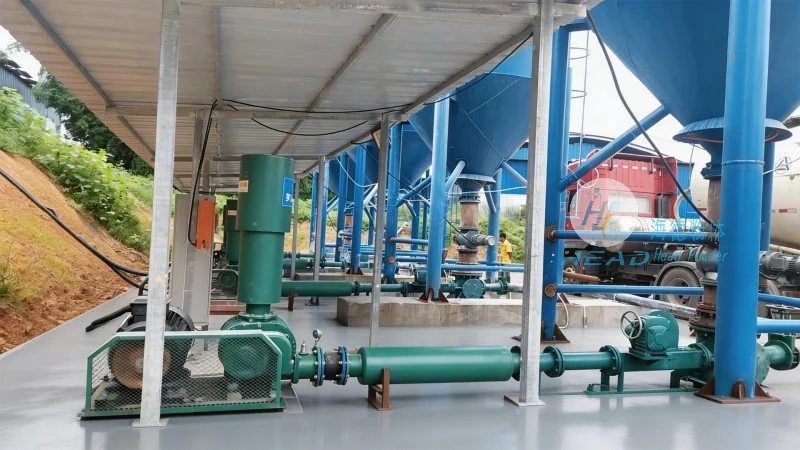
Key Considerations for Selecting Corn Flour Conveying Methods
When selecting a corn flour conveying method, several factors must be considered to ensure the best fit for the operation. First, the volume and consistency of the material must be evaluated. High-volume applications may require mechanical or pneumatic systems with high capacity, while low-volume operations might benefit from gravity or smaller mechanical conveyors. Second, the distance and elevation changes need to be assessed. Long horizontal or vertical distances may necessitate more powerful systems, such as high-capacity belt conveyors or pressure pneumatic systems. Third, dust control and hygiene are critical in food processing applications. Pneumatic systems are often preferred for their ability to maintain a dust-free environment, while mechanical conveyors may require additional sealing and filtration. Fourth, the cost and maintenance requirements must be considered. Gravity systems are generally low-cost and low-maintenance, while pneumatic systems may require regular maintenance of the blower and pipeline. By weighing these factors, businesses can choose the most suitable corn flour conveying method for their specific needs.
Conclusion
Choosing the right corn flour conveying method is essential for maintaining efficiency, safety, and product quality in the processing industry. Whether using mechanical, pneumatic, or gravity-based systems, each approach has its own advantages and limitations. The key is to evaluate the specific requirements of the operation, including volume, distance, and hygiene needs, and select a system that meets those criteria. By doing so, manufacturers can ensure that corn flour is transported reliably and safely, supporting the overall productivity and success of their operations. As the demand for corn flour continues to grow, the importance of efficient conveying systems will only increase, making it a critical investment for any food processing or agricultural business.

 Công ty TNHH Kỹ thuật Công trình Bột Hải Đức Sơn Đông
 156-6277-7102(Quản lý Trương)
  0531-83386006
  Quận Chương Khâu, Thành phố Tế Nam, Tỉnh Sơn Đông, Trung Quốc
Điện thoại
WeChatTư vấn
Lên đầu