Công ty Hải Đức Bột với hơn 10 năm kinh nghiệm vận chuyển khí, cung cấp hệ thống‑thiết bị‑quạt gió và nhận dự án tổng thầu bột cả nước
Heavy calcium powder, a vital component in numerous industrial applications, demands efficient and reliable conveying methods to ensure smooth production processes. The choice of conveying system significantly impacts operational efficiency, material quality, and overall cost-effectiveness. This article provides a detailed comparison of common heavy calcium powder conveying methods, highlighting their advantages and disadvantages, to assist industries in selecting the most suitable solution for their specific needs.
Introduction to Heavy Calcium Powder Conveying
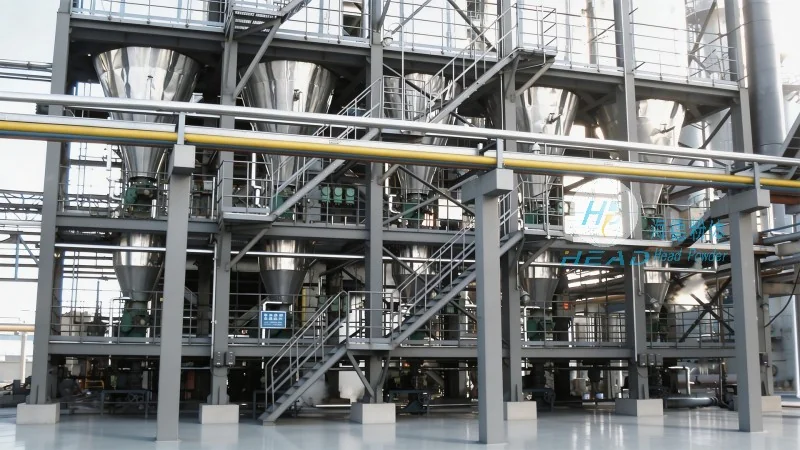
Heavy calcium powder, also known as calcium carbonate, is widely utilized in the manufacturing of plastics, paints, coatings, and other products. Its fine particle size and high bulk density make it challenging to handle and transport. Conveying systems must be designed to prevent material degradation, clogging, and loss of product quality. The following sections explore several prevalent conveying methods, evaluating their performance in terms of efficiency, cost, and suitability for heavy calcium powder applications.
1. Screw Conveyors (Auger Conveyors)
Screw conveyors, or auger conveyors, are among the most common equipment for transporting bulk materials, including heavy calcium powder. These systems consist of a rotating helical screw inside a trough, which moves material from the inlet to the outlet through gravity and friction. The primary advantage of screw conveyors is their simplicity and low initial cost. They are relatively easy to install and maintain, making them ideal for small to medium-scale operations. Additionally, screw conveyors can handle a wide range of materials, including those with varying moisture content, without requiring special modifications.
However, screw conveyors have several limitations when used with heavy calcium powder. One major drawback is the risk of material bridging and clogging, especially when the powder is fine and has a high bulk density. This can lead to operational downtime and increased maintenance costs. Another disadvantage is the potential for material degradation due to friction and heat generated by the rotating screw. Furthermore, screw conveyors are not suitable for long-distance transport, as the material may experience excessive pressure and wear, reducing the system's efficiency over time.
2. Pneumatic Conveying Systems
Pneumatic conveying systems use air or other gases to transport heavy calcium powder through a pipeline network. These systems can be categorized into two main types: pressure and vacuum. Pressure systems force air and material through the pipeline, while vacuum systems draw material into the system using a vacuum pump. Pneumatic conveying offers several advantages for heavy calcium powder, including the ability to transport materials over long distances and to handle fine, abrasive powders without causing significant wear on the system components.
One of the key benefits of pneumatic conveying is its flexibility in terms of layout and integration with existing production lines. The system can be easily adapted to accommodate changes in production volume or process requirements. Additionally, pneumatic conveyors can maintain a consistent flow rate, ensuring that material is delivered to the processing equipment at a steady pace. This consistency is crucial for maintaining product quality and preventing variations in downstream processes.
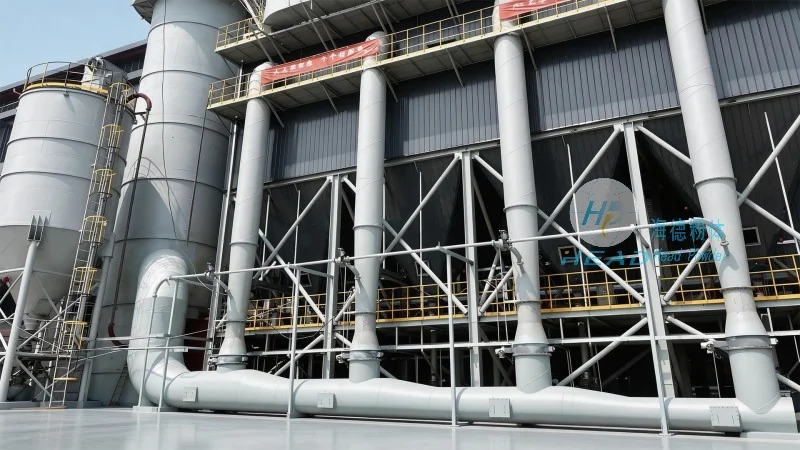
Despite these advantages, pneumatic conveying systems have notable disadvantages. The most significant drawback is the high energy consumption required to operate the system, particularly for pressure systems. The cost of compressed air and the energy needed to maintain the system's pressure can increase operational expenses significantly. Another issue is the potential for material degradation due to the high velocity of air and the abrasive nature of heavy calcium powder. This can lead to increased wear on the pipeline and other components, necessitating more frequent maintenance and replacement.
3. Hydraulic Conveying (Slurry Pumps)
Hydraulic conveying, also known as slurry pumping, involves mixing heavy calcium powder with water or other liquids to form a slurry, which is then pumped through pipelines. This method is particularly effective for transporting large volumes of material over long distances, as it can handle high flow rates and maintain a consistent pressure. The primary advantage of hydraulic conveying is its ability to transport heavy calcium powder in a continuous flow, reducing the risk of material buildup and clogging. This method is also suitable for applications where the powder needs to be mixed with other liquids or additives before processing.
However, hydraulic conveying has several limitations that must be considered. The most significant drawback is the need for a water or liquid medium, which can increase the complexity of the system and require additional equipment for slurry preparation and separation. The presence of water can also lead to material degradation, such as agglomeration or the formation of clumps, which may affect the quality of the final product. Additionally, hydraulic systems are more prone to wear and corrosion due to the abrasive nature of the slurry, requiring more frequent maintenance and replacement of components.
4. Belt Conveyors
Belt conveyors are another common method for transporting heavy calcium powder, particularly in bulk handling applications. These systems use a continuous belt that moves material from the inlet to the outlet through a series of rollers and idlers. Belt conveyors are known for their high capacity and ability to handle large volumes of material efficiently. They are also relatively low-cost and easy to install, making them suitable for various industrial settings.
One of the main advantages of belt conveyors is their ability to transport heavy calcium powder over long distances without significant loss of material quality. The system can maintain a consistent flow rate, ensuring that the material is delivered to the processing equipment in a controlled manner. Additionally, belt conveyors are less prone to clogging compared to other methods, as the material is spread evenly across the belt, reducing the risk of bridging and blockages.
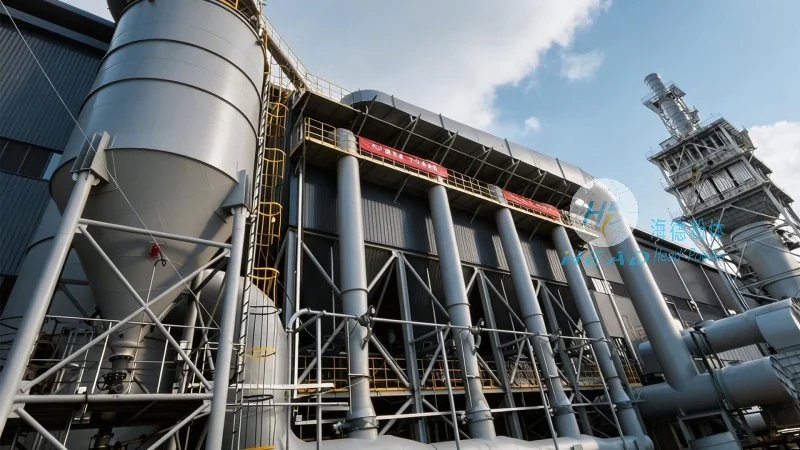
However, belt conveyors have several disadvantages when used with heavy calcium powder. The primary issue is the potential for material spillage and dust generation, which can lead to environmental and safety concerns. The fine particles of heavy calcium powder can easily become airborne, causing respiratory issues for workers and requiring additional dust control measures. Another drawback is the need for regular maintenance to prevent belt wear and tear, as the abrasive nature of the powder can cause the belt to degrade over time. Furthermore, belt conveyors are not suitable for vertical transport, as the material may slip or fall off the belt, leading to material loss and operational inefficiencies.
5. Bucket Elevators
Bucket elevators are vertical conveying systems that use a chain or belt with attached buckets to transport heavy calcium powder from a lower to a higher level. These systems are particularly effective for vertical transport, as they can handle large volumes of material with minimal space requirements. The primary advantage of bucket elevators is their ability to transport material vertically without the need for additional equipment or space, making them ideal for applications where horizontal space is limited.
One of the key benefits of bucket elevators is their high efficiency and capacity, as they can transport heavy calcium powder at a high rate with minimal energy consumption. The system is also relatively simple to operate and maintain, as the buckets are designed to handle the abrasive nature of the powder without causing significant wear. Additionally, bucket elevators can maintain a consistent flow rate, ensuring that the material is delivered to the processing equipment at a steady pace.
Despite these advantages, bucket elevators have several limitations. The most significant drawback is the risk of material spillage and clogging, particularly when the powder is fine and has a high bulk density. This can lead to operational downtime and increased maintenance costs. Another issue is the need for regular inspection and maintenance to prevent bucket wear and chain or belt failure, as the abrasive nature of the powder can cause the components to degrade over time. Furthermore, bucket elevators are not suitable for horizontal transport, as they are designed specifically for vertical movement.
Conclusion: Selecting the Right Conveying Method
Choosing the appropriate conveying method for heavy calcium powder is a critical decision that impacts operational efficiency, product quality, and overall cost. Each method has its own set of advantages and disadvantages, and the best choice depends on factors such as the scale of operation, the distance to be covered, the material's properties, and the available budget. By carefully evaluating these factors, industries can select a conveying system that maximizes performance while minimizing downtime and maintenance costs.
For businesses seeking reliable and efficient heavy calcium powder conveying solutions, Shandong HeadPowder Engineering Co., Ltd. offers a range of high-quality equipment and services tailored to meet diverse industrial needs. With years of experience in the field, HeadPowder specializes in providing customized conveying systems that enhance productivity and ensure the consistent quality of heavy calcium powder products. Whether you require a screw conveyor, pneumatic system, or hydraulic pump, HeadPowder's expert team can help you select the most suitable solution for your specific application.

 Công ty TNHH Kỹ thuật Công trình Bột Hải Đức Sơn Đông
 156-6277-7102(Quản lý Trương)
  0531-83386006
  Quận Chương Khâu, Thành phố Tế Nam, Tỉnh Sơn Đông, Trung Quốc
Điện thoại
WeChatTư vấn
Lên đầu