Công ty Hải Đức Bột với hơn 10 năm kinh nghiệm vận chuyển khí, cung cấp hệ thống‑thiết bị‑quạt gió và nhận dự án tổng thầu bột cả nước
Calcined ash, a byproduct of industrial processes such as coal combustion, requires efficient and reliable transportation from the source to storage or processing facilities. The choice of conveying method significantly impacts operational efficiency, cost, and environmental compliance. This article provides a detailed comparison of common calcined ash conveying methods, highlighting their advantages and disadvantages from the perspective of industrial applications.
About Shandong HeadPowder Engineering Co., Ltd.
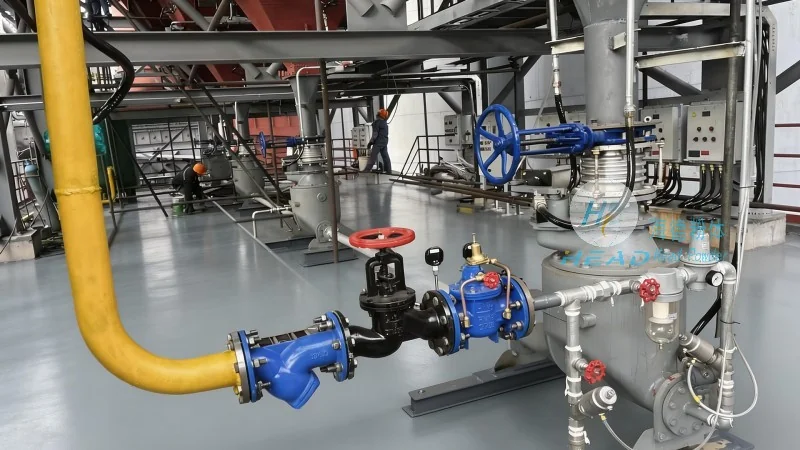
Shandong HeadPowder Engineering Co., Ltd., a leading provider in the field, specializes in engineering solutions for material handling systems. With a strong presence in China, particularly in Shandong, the company has extensive experience in designing and implementing effective conveying solutions for calcined ash and similar materials. Their expertise ensures that clients receive tailored systems that meet specific operational requirements and enhance overall process efficiency.
1. Pneumatic Conveying Systems
Pneumatic conveying uses air pressure to transport calcined ash through a pipeline. This method is suitable for both dry and slightly moist ash, offering flexibility in system design. The primary advantages include the ability to handle fine particles, minimal maintenance requirements, and the option for enclosed systems that reduce dust emissions. However, pneumatic conveying can be energy-intensive, especially for long-distance or high-volume applications, and may require specialized equipment to manage pressure and flow. The system's performance is also dependent on the ash's moisture content and particle size, which can affect the air velocity needed for effective transport.
2. Belt Conveyor Systems
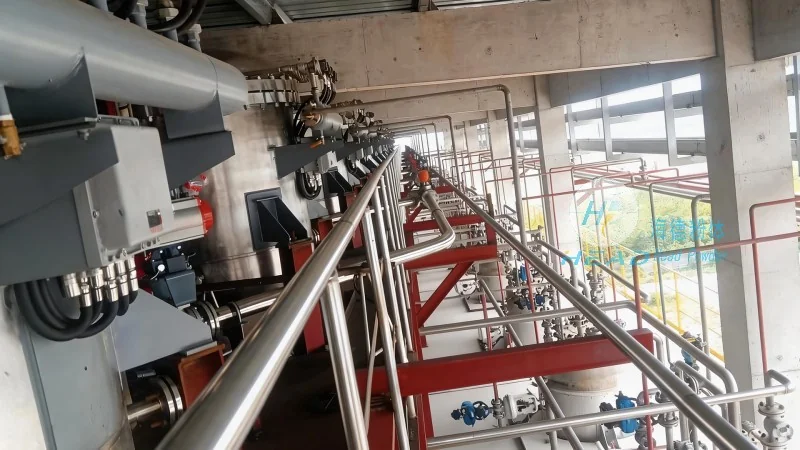
Belt conveyors are a traditional and widely used method for transporting calcined ash. They consist of a continuous belt that moves material along a fixed path. The main advantages of belt conveyors include high capacity, low operating costs, and the ability to handle large volumes of material over long distances. They are also relatively simple to install and maintain, making them a cost-effective solution for many industrial settings. However, belt conveyors may not be suitable for very fine or abrasive ash particles, as this can lead to increased wear and tear on the belt and idlers. Additionally, they require regular cleaning and maintenance to prevent material buildup and ensure smooth operation.
3. Screw Conveyors
Screw conveyors, also known as auger conveyors, use a rotating screw to move calcined ash through a tube or trough. This method is ideal for handling dry, free-flowing ash and is particularly effective for vertical or inclined transport. The advantages include compact design, low power consumption, and the ability to handle materials with varying particle sizes. Screw conveyors are also relatively simple to operate and maintain, with minimal moving parts. However, they are not suitable for very fine or sticky ash, as this can cause blockages and reduce efficiency. The system's capacity is limited by the screw's speed and the material's properties, and it may not be effective for long-distance transport.
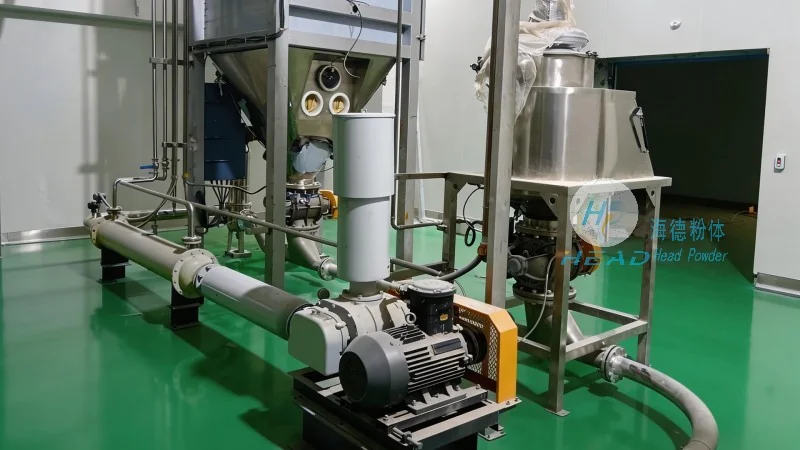
4. Hydraulic Conveying Systems
Hydraulic conveying uses water or a slurry to transport calcined ash through a pipeline. This method is particularly effective for handling wet or sticky ash, as the slurry helps to keep the material in suspension. The main advantages include the ability to transport materials over long distances with minimal energy consumption and the option to use existing water systems for the slurry. Hydraulic conveying is also relatively simple to install and maintain, with few moving parts. However, it requires additional equipment to handle the slurry, such as pumps and filters, which can increase initial costs. The system's performance is dependent on the ash's moisture content and the slurry's consistency, which can affect the flow rate and pressure requirements.
Conclusion and Recommendations
When selecting a calcined ash conveying method, it is essential to consider the specific characteristics of the ash, such as particle size, moisture content, and volume, as well as the operational requirements of the facility. Pneumatic conveying is suitable for fine particles and enclosed systems, while belt conveyors offer high capacity and low maintenance. Screw conveyors are ideal for vertical transport and dry materials, and hydraulic systems are effective for wet or sticky ash. Shandong HeadPowder Engineering Co., Ltd. provides comprehensive engineering solutions that take into account these factors, ensuring that clients choose the most appropriate conveying method for their needs. By evaluating the advantages and disadvantages of each method, industrial facilities can optimize their material handling processes, reduce costs, and improve overall efficiency.

 Công ty TNHH Kỹ thuật Công trình Bột Hải Đức Sơn Đông
 156-6277-7102(Quản lý Trương)
  0531-83386006
  Quận Chương Khâu, Thành phố Tế Nam, Tỉnh Sơn Đông, Trung Quốc
Điện thoại
WeChatTư vấn
Lên đầu