Công ty Hải Đức Bột với hơn 10 năm kinh nghiệm vận chuyển khí, cung cấp hệ thống‑thiết bị‑quạt gió và nhận dự án tổng thầu bột cả nước
Efficient and reliable dust and ash conveying is a critical component in industrial processes, particularly in facilities dealing with large volumes of particulate matter. The choice of conveying method can significantly impact operational efficiency, maintenance costs, and overall system performance. This article provides a detailed comparison of common dust and ash conveying methods, highlighting their advantages and disadvantages to help industrial operators make informed decisions.
Pneumatic Conveying Systems: Advantages and Disadvantages
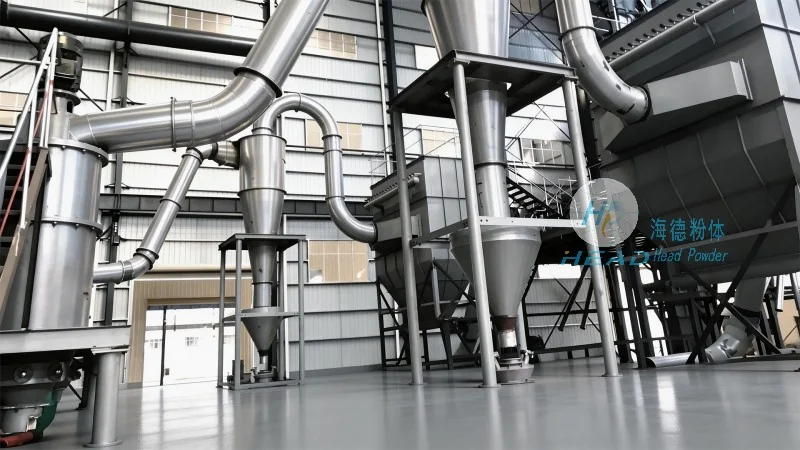
Pneumatic conveying systems utilize air or gas to transport dust and ash particles through a pipeline. This method is widely used in industries such as power generation, cement production, and chemical processing due to its ability to handle fine powders and abrasive materials. One of the primary advantages of pneumatic conveying is its flexibility, as it can transport materials over long distances and through complex layouts without the need for multiple transfer points. Additionally, this system is relatively easy to install and can be integrated with existing dust collection equipment, reducing overall system complexity.
However, pneumatic conveying also has notable disadvantages. The most significant drawback is the high energy consumption, as it requires powerful blowers or compressors to generate sufficient air pressure. This can lead to increased operational costs, especially for facilities with high-volume material handling. Furthermore, the system is susceptible to blockages, particularly with wet or sticky materials, which may require additional maintenance and cleaning procedures. Another concern is the potential for material degradation, as high-velocity air can cause attrition and particle breakage, affecting the quality of the conveyed material.
Screw Conveying Systems: Advantages and Disadvantages
Screw conveying systems employ a rotating screw (or auger) to move dust and ash through a closed trough. This method is commonly used for transporting bulk materials that are free-flowing and non-abrasive. A key advantage of screw conveyors is their simplicity and low maintenance requirements. They are relatively inexpensive to install and operate, making them an attractive option for smaller-scale applications or facilities with limited budgets. Screw conveyors also provide a compact design, which is beneficial in spaces with restricted access or where vertical lifting is required.
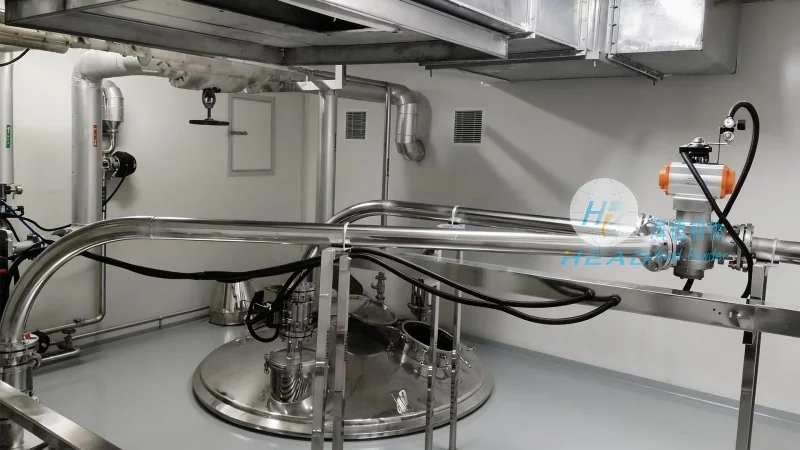
Despite these benefits, screw conveying has several limitations. The primary disadvantage is its limited capacity for handling fine or powdery materials, as the screw can easily become clogged or cause material degradation. Additionally, the system is not suitable for abrasive or corrosive materials, as the screw and trough can wear out quickly, leading to frequent replacements and higher maintenance costs. Furthermore, screw conveyors are not ideal for long-distance transport, as the material can settle and cause blockages over extended pipelines.
Belt Conveying Systems: Advantages and Disadvantages
Belt conveying systems use a continuous belt to transport dust and ash, typically in a horizontal or slightly inclined configuration. This method is widely used in mining, construction, and material handling industries due to its high capacity and ability to handle large volumes of material. One of the main advantages of belt conveyors is their high throughput, as they can transport materials at high speeds and over long distances without significant loss of efficiency. Additionally, belt conveyors are relatively easy to maintain, as the system components are exposed and accessible for inspection and repair.
However, belt conveying also has drawbacks that must be considered. The most significant disadvantage is the risk of material spillage and environmental contamination, as the belt can stretch or break, causing dust and ash to be released into the environment. This can lead to regulatory issues and increased cleanup costs. Furthermore, belt conveyors require regular tensioning and replacement of the belt, as the material can cause wear and tear over time. Another concern is the need for proper alignment and support, as misalignment can lead to belt damage and system failure.
HeadPowder's Expertise in Dust and Ash Conveying Solutions
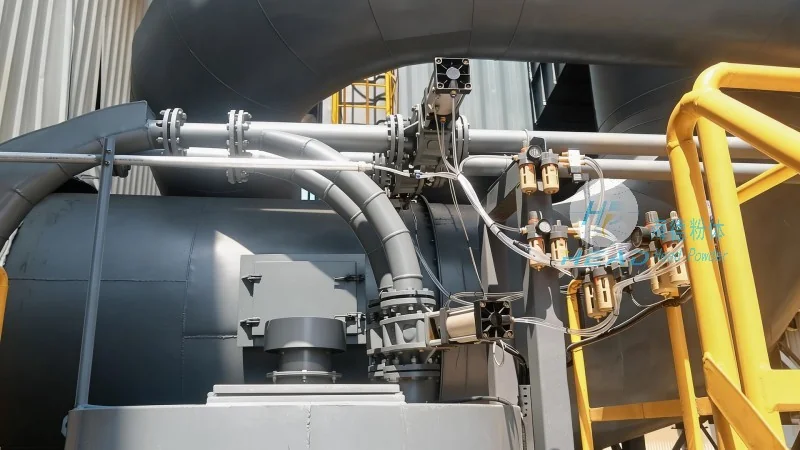
Shandong HeadPowder Engineering Co., Ltd., a leading manufacturer of industrial conveying equipment, specializes in providing customized dust and ash conveying solutions tailored to the specific needs of industrial clients. With years of experience in the field, HeadPowder has developed a range of advanced conveying systems that address the challenges associated with different material types and operational conditions. The company's products are designed to enhance operational efficiency, reduce maintenance costs, and ensure compliance with environmental regulations.
HeadPowder's team of engineers and technicians work closely with clients to understand their unique requirements, from material characteristics to system layout and performance goals. By leveraging cutting-edge technology and materials, HeadPowder offers solutions that combine the advantages of different conveying methods while mitigating their respective disadvantages. For example, the company may recommend a hybrid system that combines pneumatic and screw conveying to achieve optimal performance for specific applications.
HeadPowder's commitment to quality and customer satisfaction is reflected in its rigorous testing and certification processes. All products are manufactured in compliance with international standards and undergo extensive testing to ensure reliability and durability. The company also provides comprehensive after-sales support, including installation, training, and maintenance services, to ensure that clients can maximize the performance and lifespan of their conveying systems.
In conclusion, the choice of dust and ash conveying method depends on various factors, including material properties, distance, and operational requirements. Pneumatic, screw, and belt conveying systems each offer unique advantages and disadvantages that must be carefully evaluated to ensure the most effective solution. By understanding these factors and leveraging the expertise of companies like Shandong HeadPowder Engineering Co., Ltd., industrial operators can select the optimal conveying system to enhance their operational efficiency and meet their performance goals.

 Công ty TNHH Kỹ thuật Công trình Bột Hải Đức Sơn Đông
 156-6277-7102(Quản lý Trương)
  0531-83386006
  Quận Chương Khâu, Thành phố Tế Nam, Tỉnh Sơn Đông, Trung Quốc
Điện thoại
WeChatTư vấn
Lên đầu