Công ty Hải Đức Bột với hơn 10 năm kinh nghiệm vận chuyển khí, cung cấp hệ thống‑thiết bị‑quạt gió và nhận dự án tổng thầu bột cả nước
When selecting a conveying system for PTFE (Polytetrafluoroethylene) materials, understanding the various methods and their respective pros and cons is crucial for optimizing performance, efficiency, and cost-effectiveness. This article provides a detailed comparison of common PTFE conveying approaches, helping industrial professionals make informed decisions based on their specific operational needs.
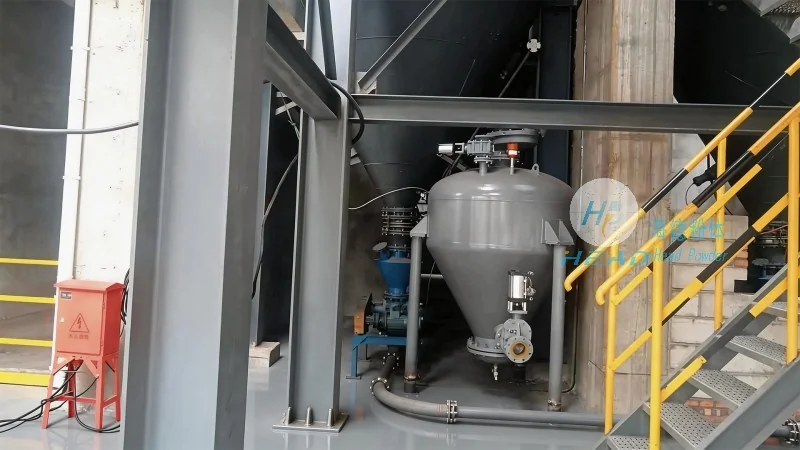
Overview of PTFE Conveying Systems
PTFE is widely used in industrial applications due to its exceptional chemical resistance, low friction, and thermal stability. However, its handling requires specialized equipment to prevent contamination and ensure safe transport. Conveying systems for PTFE must be designed to minimize particle degradation, maintain material integrity, and comply with industry standards. The choice of conveying method depends on factors such as material properties, throughput requirements, space constraints, and environmental considerations.
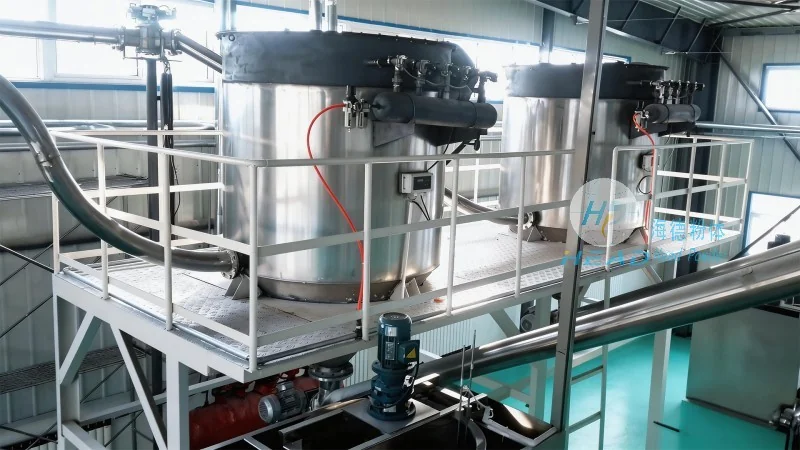
Screw Conveyors for PTFE Handling
Screw conveyors, also known as auger conveyors, are a popular choice for PTFE material transport. These systems use a rotating helical screw to move material along a trough. The primary advantages of screw conveyors include their simplicity, low maintenance, and ability to handle a wide range of PTFE particle sizes. They are particularly effective for horizontal or slightly inclined transport, making them suitable for bulk material handling in processing plants. However, screw conveyors have limitations when dealing with highly abrasive or sticky PTFE powders, as the screw and trough can experience wear over time. Additionally, they may not be ideal for vertical lifting due to the risk of material bridging or blockage.
Air-Pressure Conveying Systems
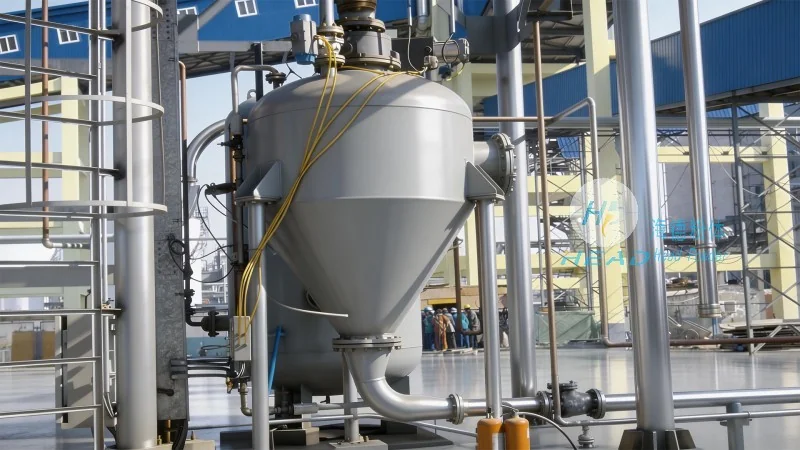
Air-pressure (or pneumatic) conveying systems utilize compressed air to transport PTFE particles through a pipeline. This method is highly effective for fine powders and can handle long distances with minimal material degradation. The main advantages include high throughput, flexibility in layout, and the ability to transport materials in a closed system, reducing dust exposure and environmental impact. Pneumatic conveying is also suitable for transporting PTFE from multiple points to a central collection point. However, it has significant drawbacks, including higher energy consumption compared to mechanical systems, potential for material separation (if particles vary in size or density), and the need for specialized equipment to prevent air leaks and maintain system pressure. Additionally, the cost of compressed air infrastructure and maintenance can be a factor for long-term operation.
Belt Conveyors for Bulk PTFE Transport
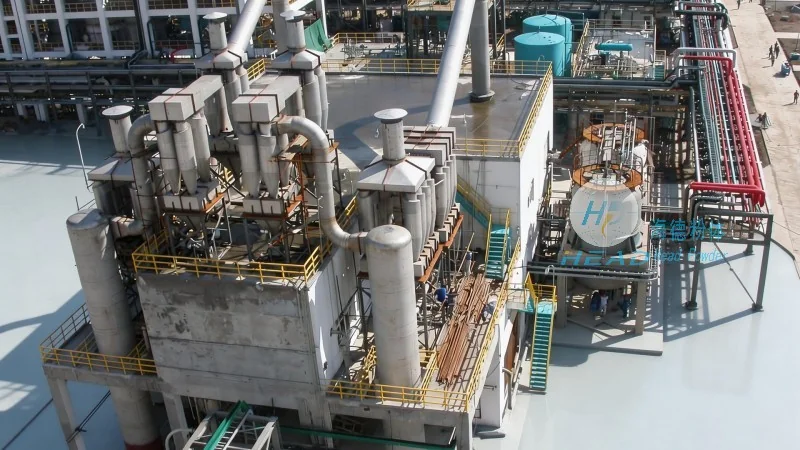
Belt conveyors are commonly used for transporting larger PTFE particles or pellets. These systems consist of a continuous belt that moves material along a frame. The primary advantages of belt conveyors include their ability to handle high volumes of material, low power consumption, and suitability for both horizontal and inclined transport. They are particularly effective for transporting PTFE from storage silos to processing equipment or for long-distance transport in manufacturing facilities. However, belt conveyors have limitations when dealing with fine PTFE powders, as the belt surface can cause material degradation or segregation. They also require regular maintenance to prevent belt wear and ensure proper alignment, which can increase operational costs over time.
Comparison and Selection Criteria
When choosing a PTFE conveying method, several factors must be considered to ensure the best fit for the application. The first criterion is the material's physical properties, such as particle size, density, and flowability. For example, fine PTFE powders may be better suited for pneumatic conveying, while larger pellets can be handled by belt conveyors. The second factor is the required throughput and distance of transport. Screw conveyors are ideal for short horizontal distances, while pneumatic systems excel at long-distance transport. The third factor is space availability and layout constraints. Screw and belt conveyors are more space-efficient for horizontal transport, whereas pneumatic systems may require more vertical space for vertical lifting. Finally, operational costs, including energy consumption, maintenance, and initial investment, play a critical role in the decision-making process.
Conclusion
Each PTFE conveying method has its own set of advantages and disadvantages, and the optimal choice depends on the specific requirements of the application. By carefully evaluating factors such as material properties, throughput, space constraints, and cost, industrial operators can select the most suitable conveying system to ensure efficient and reliable PTFE transport. Shandong HeadPowder Engineering Co., Ltd., a leading provider of PTFE processing solutions, offers expertise and customized equipment to support these decisions, helping clients achieve their operational goals while maintaining material integrity and safety standards.

 Công ty TNHH Kỹ thuật Công trình Bột Hải Đức Sơn Đông
 156-6277-7102(Quản lý Trương)
  0531-83386006
  Quận Chương Khâu, Thành phố Tế Nam, Tỉnh Sơn Đông, Trung Quốc
Điện thoại
WeChatTư vấn
Lên đầu