Công ty Hải Đức Bột với hơn 10 năm kinh nghiệm vận chuyển khí, cung cấp hệ thống‑thiết bị‑quạt gió và nhận dự án tổng thầu bột cả nước
Vanadium oxide is a critical material in numerous industrial applications, and its efficient transportation is essential for maintaining production efficiency and safety. As a leading manufacturer in this field, Shandong HeadPowder Engineering Co., Ltd. (referred to as HeadPowder) provides insights into the common transport methods for vanadium oxide, along with their respective advantages and disadvantages. This article aims to assist clients in making informed decisions based on their specific operational requirements.
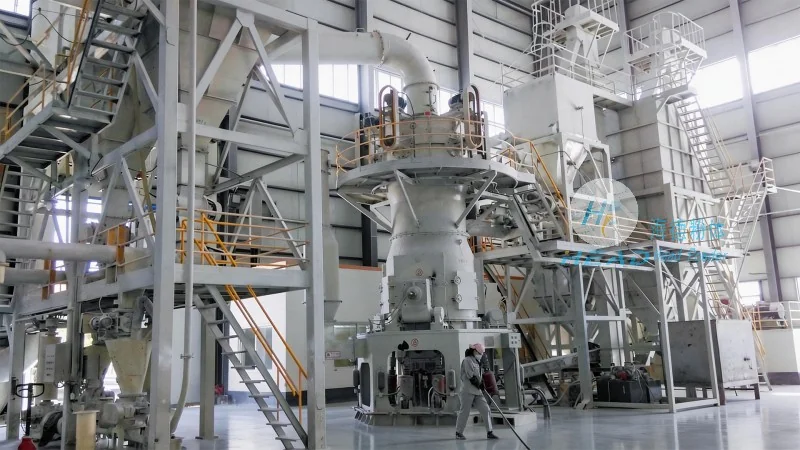
1. Bulk Handling and Storage Solutions
For large-scale operations, bulk handling and storage solutions are often utilized. This approach involves using silos, hoppers, and conveyor systems to transport vanadium oxide from storage to processing units. The primary advantage of this method is its high capacity, which can accommodate large volumes of material, reducing the frequency of loading and unloading. Additionally, bulk handling minimizes material exposure to the environment, enhancing safety and reducing contamination risks. However, the disadvantages include higher initial investment costs for infrastructure and equipment, as well as potential challenges in maintaining consistent flow rates, especially when dealing with varying material properties. HeadPowder specializes in designing and implementing such systems to ensure optimal performance and reliability.
2. Pneumatic Conveying Systems
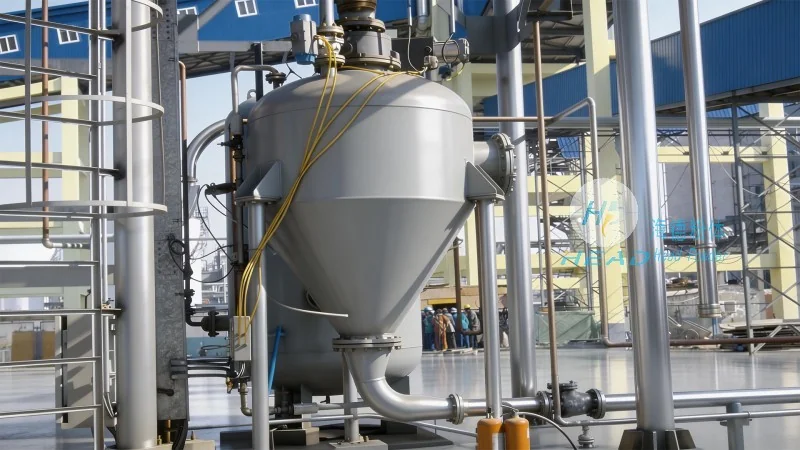
Pneumatic conveying is another widely used method for transporting vanadium oxide, particularly in applications requiring precise control over material flow. This technique involves using air or other gases to move the material through a pipeline. The main advantage of pneumatic conveying is its ability to transport materials over long distances with minimal human intervention, making it suitable for automated production lines. It also allows for the integration of dust collection systems, improving workplace safety and environmental compliance. Nevertheless, the disadvantages include higher energy consumption compared to other methods, as well as potential issues with material degradation or blockages if the system is not properly maintained. Proper system design and regular maintenance are essential to mitigate these risks.
3. Mechanical Conveying Methods
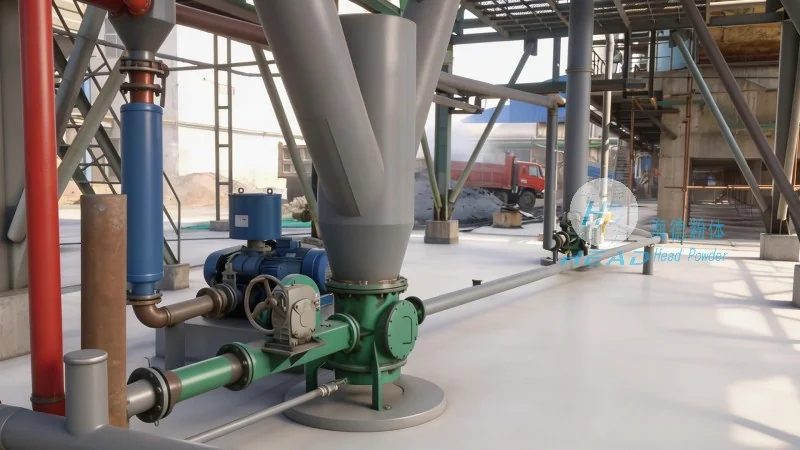
Mechanical conveying, such as belt conveyors, screw conveyors, and bucket elevators, is a traditional approach for transporting vanadium oxide. These systems rely on mechanical components to move the material. The advantages of mechanical conveying include lower energy consumption compared to pneumatic systems and the ability to handle a wide range of material sizes and shapes. It also provides better control over the speed and direction of material flow, which is beneficial for processes requiring precise positioning. However, the disadvantages include higher maintenance costs due to moving parts and potential material degradation from friction or abrasion. Additionally, mechanical conveyors may not be suitable for transporting very fine or powdery materials without additional dust control measures.
4. Specialized Transport Solutions
For specialized applications, such as transporting vanadium oxide in a controlled environment or for specific industrial processes, specialized transport solutions are often necessary. These may include vacuum loading systems, enclosed conveyor systems, or custom-designed transport equipment tailored to the client's unique requirements. The advantages of these solutions include enhanced safety, reduced environmental impact, and improved material quality. However, the disadvantages include higher costs and the need for specialized expertise to design and operate the systems effectively. HeadPowder offers customized transport solutions to meet the diverse needs of its clients, ensuring that each project is tailored to the specific requirements of the application.
Conclusion
Choosing the appropriate transport method for vanadium oxide depends on several factors, including the scale of operation, material properties, distance to be covered, and budget constraints. By understanding the advantages and disadvantages of each method, clients can select the most suitable option for their needs. Shandong HeadPowder Engineering Co., Ltd. provides comprehensive solutions and expert advice to help clients optimize their vanadium oxide transport processes, ensuring efficiency, safety, and cost-effectiveness. Whether it's bulk handling, pneumatic conveying, or specialized systems, HeadPowder is committed to delivering high-quality transport solutions that meet the evolving demands of the industry.

 Công ty TNHH Kỹ thuật Công trình Bột Hải Đức Sơn Đông
 156-6277-7102(Quản lý Trương)
  0531-83386006
  Quận Chương Khâu, Thành phố Tế Nam, Tỉnh Sơn Đông, Trung Quốc
Điện thoại
WeChatTư vấn
Lên đầu