Công ty Hải Đức Bột với hơn 10 năm kinh nghiệm vận chuyển khí, cung cấp hệ thống‑thiết bị‑quạt gió và nhận dự án tổng thầu bột cả nước
For industrial applications involving glass powder, selecting the appropriate conveying method is crucial for efficiency, cost-effectiveness, and operational safety. Various technologies are available, each with distinct characteristics that influence performance in different scenarios. This article provides an overview of common glass powder conveying methods, analyzing their advantages and disadvantages to assist in informed decision-making.
1. Pneumatic Conveying Systems
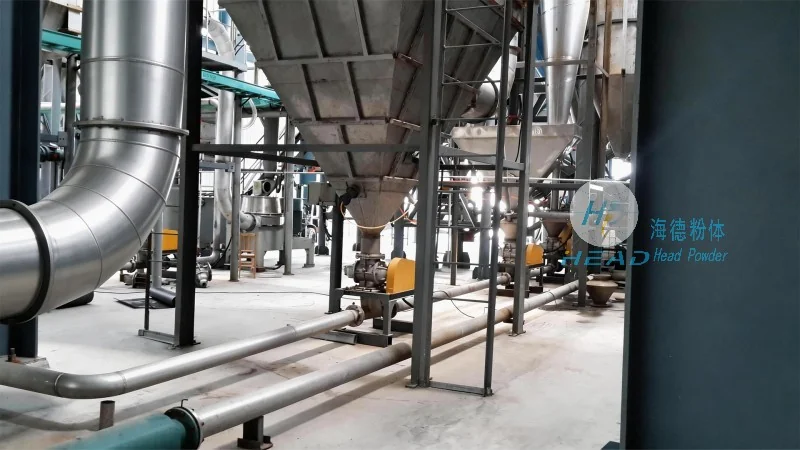
Pneumatic conveying uses compressed air or other gases to transport glass powder through a pipeline. This method is widely used due to its ability to handle fine powders and its relatively low initial investment. The primary advantage is the ability to transport materials over long distances without the need for mechanical components at the transfer points. However, pneumatic systems can be less efficient with very fine or cohesive powders, as they may experience blockages or increased energy consumption. Additionally, the system requires regular maintenance to ensure air quality and prevent contamination, which can impact the purity of the glass powder.
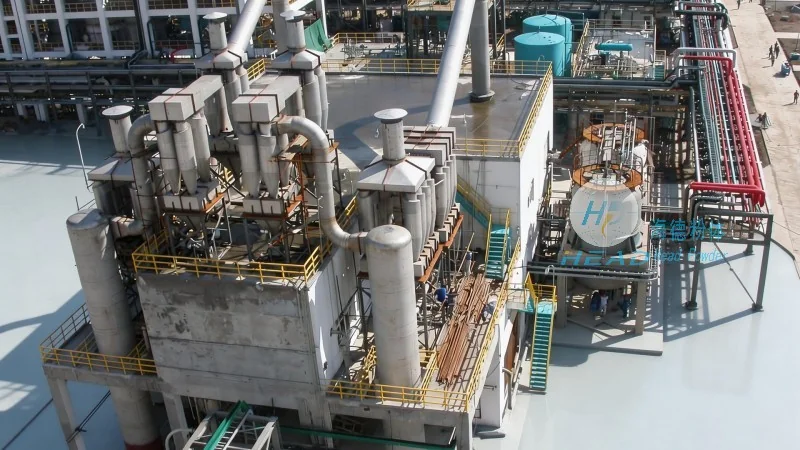
2. Mechanical Conveying Systems
Mechanical conveying relies on mechanical components such as screws, belts, or buckets to move glass powder. These systems are often preferred for bulk material handling and can handle a wide range of particle sizes and moisture levels. The main advantage is their high capacity and reliability, as they are less susceptible to material properties like cohesion or moisture. However, mechanical systems may introduce more wear and tear on the equipment, leading to higher maintenance costs over time. They also require more space for installation and may not be suitable for very fine powders that could cause excessive friction or wear on components.

3. Hydraulic Conveying Systems
Hydraulic conveying uses fluid pressure to transport glass powder. This method is particularly effective for handling abrasive or corrosive materials, as the fluid can protect the pipeline from wear. The advantage lies in its ability to handle high-pressure applications and transport materials over significant vertical distances. However, hydraulic systems are generally more complex and expensive to install and maintain compared to pneumatic or mechanical options. They also require careful monitoring of fluid levels and pressure to prevent system failures, which can disrupt production.
4. Gravity Conveying Systems
Gravity conveying utilizes the natural force of gravity to move glass powder from a higher to a lower elevation. This method is simple and low-cost, as it does not require external power sources. The primary advantage is its minimal energy consumption and low maintenance requirements. However, gravity systems are limited by the need for a suitable slope and are only suitable for transporting materials over short distances or when the material is free-flowing. They are not effective for fine powders or materials with poor flow characteristics, as they may lead to uneven flow or blockages.
5. Comparison and Selection Considerations
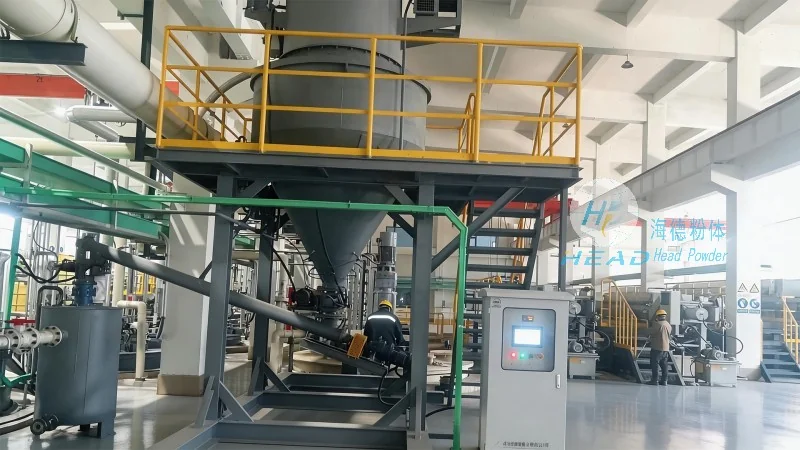
When selecting a glass powder conveying method, several factors must be considered, including the powder's properties (particle size, moisture content, cohesion), the distance and elevation changes required, and the available budget. Pneumatic systems excel in fine powder handling and long-distance transport but may struggle with cohesive materials. Mechanical systems offer high capacity and reliability but have higher maintenance costs. Hydraulic systems are ideal for abrasive materials but are more complex and expensive. Gravity systems are cost-effective for short distances but limited by the need for a suitable slope.

 Công ty TNHH Kỹ thuật Công trình Bột Hải Đức Sơn Đông
 156-6277-7102(Quản lý Trương)
  0531-83386006
  Quận Chương Khâu, Thành phố Tế Nam, Tỉnh Sơn Đông, Trung Quốc
Điện thoại
WeChatTư vấn
Lên đầu