Công ty Hải Đức Bột với hơn 10 năm kinh nghiệm vận chuyển khí, cung cấp hệ thống‑thiết bị‑quạt gió và nhận dự án tổng thầu bột cả nước
When it comes to handling and transporting silicone powder in industrial settings, selecting the right conveying method is crucial for efficiency, cost-effectiveness, and product integrity. The choice of conveying system impacts not only operational performance but also maintenance requirements, energy consumption, and the overall safety of the process. This article provides a detailed comparison of common silicone powder conveying methods, examining their advantages and disadvantages to help industrial operators make informed decisions.
Introduction to Conveying Systems for Silicone Powder
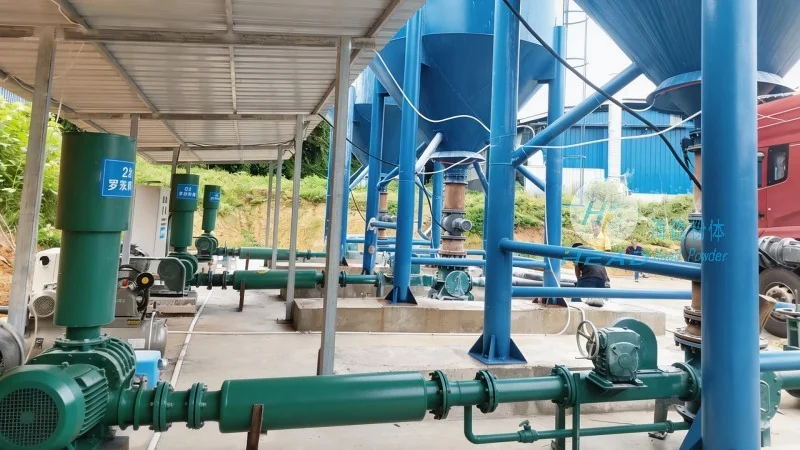
Silicone powder, with its fine particle size and unique properties, requires specialized handling to prevent caking, agglomeration, and loss of product quality. Conveying methods must be designed to maintain the powder's flowability and prevent contamination. The primary goal of any conveying system is to move the material from a storage or processing point to the next stage of production with minimal degradation. Several methods are widely used in the industry, each with distinct characteristics that make them suitable for different applications.
1. Screw Conveyors (Auger Conveyors)
Screw conveyors, also known as auger conveyors, are one of the most common and versatile methods for transporting bulk materials, including silicone powder. These systems consist of a rotating helical screw inside a U-shaped or tubular housing. The screw rotates, pushing the material forward along the length of the conveyor. For silicone powder, screw conveyors are particularly effective when the material is free-flowing and has a moderate to high bulk density. The design allows for a continuous, enclosed transport, which helps in maintaining the powder's integrity and preventing dust emissions.
The advantages of screw conveyors include their simplicity, low maintenance, and ability to operate in a vertical or inclined position. They are suitable for both horizontal and vertical transport, making them adaptable to various plant layouts. Additionally, screw conveyors can be easily integrated with other processing equipment, such as mixers or reactors, due to their compact design and minimal space requirements. However, their limitations become apparent when dealing with highly abrasive or sticky materials, as the screw and housing can experience wear and tear over time. For silicone powder, which may have varying moisture content or particle size distribution, the risk of clogging can increase, especially if the screw speed is not optimized.
2. Pneumatic Conveying Systems
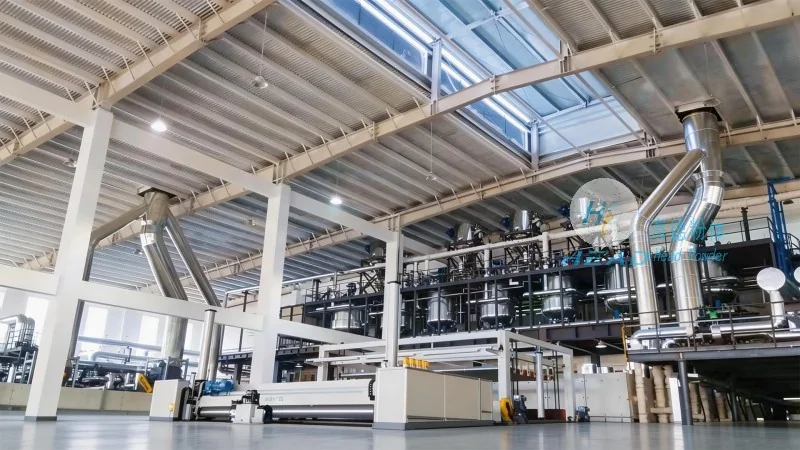
Pneumatic conveying, or air-powered transport, uses air or gas to move silicone powder through a pipeline. This method can be categorized into two main types: pressure and vacuum systems. Pressure systems force air into a hopper or storage tank, pushing the powder through the pipeline under positive pressure. Vacuum systems, on the other hand, create a negative pressure in the pipeline, drawing the powder from a source into the system.
One of the key advantages of pneumatic conveying is its ability to transport silicone powder over long distances with minimal equipment. It is particularly useful when the material needs to be moved from a storage silo to a processing plant or between different processing stages. The enclosed pipeline design also helps in controlling dust and maintaining product purity, which is critical for silicone powder applications where contamination can affect the final product's quality. Pneumatic systems are also flexible, allowing for changes in the conveying route without major structural modifications.
However, pneumatic conveying has significant drawbacks, especially when dealing with fine or cohesive materials like silicone powder. The high air velocity required to move the powder can lead to increased energy consumption, making it less cost-effective for large-scale operations. Additionally, the risk of particle degradation or breakage is higher in pneumatic systems, as the powder is subjected to high shear forces within the pipeline. Clogging is another common issue, particularly with materials that have a high moisture content or are prone to agglomeration. Proper system design, including appropriate air velocity and pipeline diameter, is essential to mitigate these problems.
3. Pumping Systems (Hydraulic or Mechanical Pumps)
Pumping systems, such as hydraulic or mechanical pumps, are used for transporting silicone powder in slurry form or when the material is mixed with a liquid carrier. These systems are particularly effective when the powder needs to be moved through long pipelines or over significant vertical distances. The pump creates pressure to move the slurry, ensuring consistent flow rates and preventing clogging.
The primary advantage of pumping systems is their ability to handle high volumes of material with high pressure, making them suitable for large-scale industrial applications. They are also relatively simple to operate and maintain, as they do not require complex control systems for the conveying process. Pumping systems are ideal for applications where the silicone powder is mixed with a liquid to form a slurry, as the pump can handle the mixture without separating the components.
Nevertheless, pumping systems have limitations that make them less suitable for certain silicone powder applications. The most significant drawback is the need for a liquid carrier, which adds complexity to the process and increases the risk of contamination. The pump and pipeline components are also prone to wear and tear due to the abrasive nature of the powder, requiring regular maintenance and replacement. Additionally, the system is less flexible compared to pneumatic or screw conveyors, as changes in the conveying route or volume require significant modifications to the pump and pipeline infrastructure.
4. Belt Conveyors
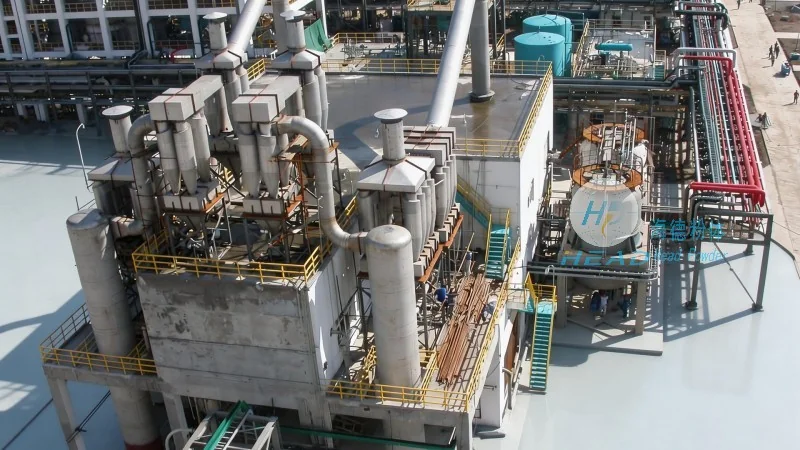
Belt conveyors are another common method for transporting bulk materials, including silicone powder, over short to medium distances. These systems consist of a continuous belt that moves over rollers or pulleys, carrying the material from one point to another. The belt can be designed to handle various particle sizes and shapes, making it suitable for a wide range of materials.
The advantages of belt conveyors include their high capacity and ability to transport large volumes of material at a constant speed. They are also relatively low-cost to install and maintain, making them an attractive option for many industrial applications. Belt conveyors are particularly effective when the silicone powder needs to be moved over horizontal or slightly inclined surfaces, as the design allows for smooth and continuous transport.
However, belt conveyors have several limitations that may make them unsuitable for certain silicone powder applications. The primary drawback is the risk of material spillage or dust emission, especially when the belt is not properly sealed or when the material is fine and cohesive. The belt and rollers are also prone to wear and tear due to the abrasive nature of the powder, requiring regular replacement or maintenance. Additionally, belt conveyors are less effective for vertical or steeply inclined transport, as the belt may slip or the material may fall off, leading to inefficiencies and safety hazards.
Conclusion and Recommendations
Choosing the right conveying method for silicone powder depends on several factors, including the material's properties, the required transport distance, the desired flow rate, and the overall operational budget. Each method has its strengths and weaknesses, and the optimal choice is often a combination of these factors. For example, screw conveyors may be ideal for short-distance, low-volume transport of free-flowing silicone powder, while pneumatic systems are better suited for long-distance, high-volume transport of fine or cohesive materials.
When selecting a conveying system, it is essential to consider the specific characteristics of the silicone powder, such as particle size, moisture content, and bulk density. The system should be designed to minimize the risk of clogging, agglomeration, or degradation of the material. Additionally, the maintenance requirements and energy consumption of each system should be evaluated to ensure long-term cost-effectiveness.
Shandong HeadPowder Engineering Co., Ltd., a leading manufacturer of silicone powder processing equipment, offers a range of conveying solutions tailored to meet the diverse needs of industrial applications. With years of experience in the industry, the company provides customized solutions that optimize material handling efficiency while maintaining product quality. Whether you need a screw conveyor, pneumatic system, or pumping solution, HeadPowder Engineering Co., Ltd. can help you select the right equipment for your specific requirements.

 Công ty TNHH Kỹ thuật Công trình Bột Hải Đức Sơn Đông
 156-6277-7102(Quản lý Trương)
  0531-83386006
  Quận Chương Khâu, Thành phố Tế Nam, Tỉnh Sơn Đông, Trung Quốc
Điện thoại
WeChatTư vấn
Lên đầu