Công ty Hải Đức Bột với hơn 10 năm kinh nghiệm vận chuyển khí, cung cấp hệ thống‑thiết bị‑quạt gió và nhận dự án tổng thầu bột cả nước
When it comes to handling cocoa powder in industrial settings, selecting the right conveying method is crucial for maintaining product quality, efficiency, and operational safety. Different conveying systems offer unique advantages and drawbacks, making it essential to evaluate each option based on specific production needs. This article provides a detailed comparison of common cocoa powder conveying methods, highlighting their pros and cons to help businesses make informed decisions.
1. Screw Conveyor (Auger Conveyor)
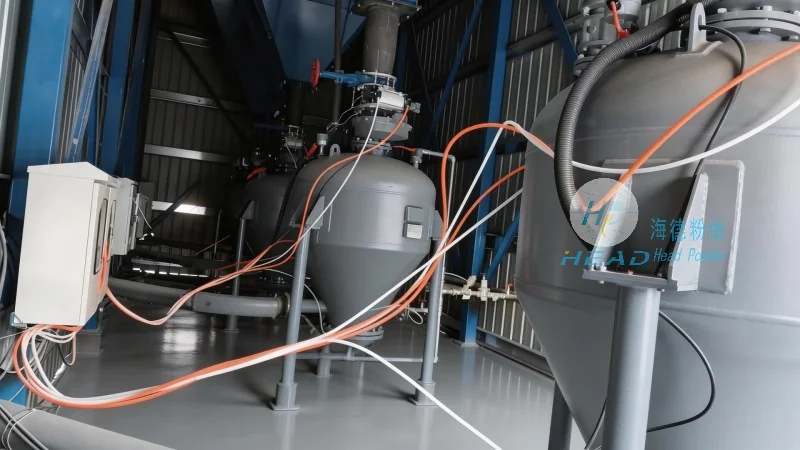
A screw conveyor, also known as an auger conveyor, is a widely used method for transporting cocoa powder due to its simple design and reliability. It consists of a rotating screw inside a tube or trough, which moves the material forward through the system. The primary advantages of screw conveyors include their compact structure, low maintenance requirements, and ability to handle a wide range of bulk materials, including cocoa powder. They are particularly suitable for short to medium-distance horizontal or slightly inclined transport, making them ideal for applications where space is limited or where the material needs to be elevated to a higher level.
However, screw conveyors have several limitations when used with cocoa powder. One major drawback is the generation of heat during operation, which can lead to moisture absorption and caking of the powder, affecting its quality and flow properties. Additionally, the screw design may cause friction and wear, especially with abrasive materials like cocoa powder, leading to increased maintenance costs over time. Moreover, screw conveyors are not well-suited for handling very fine or dusty powders, as they can easily clog or cause excessive pressure buildup.
2. Pneumatic Conveying System
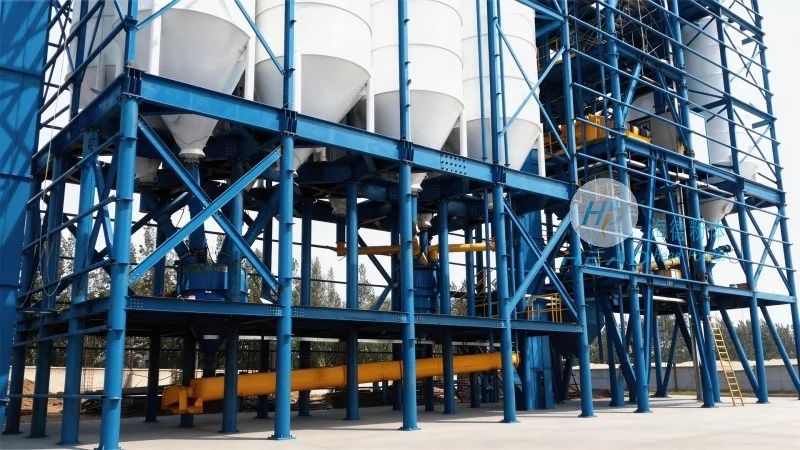
Pneumatic conveying, or air-powered conveying, is another popular method for cocoa powder transport, especially in applications requiring long-distance or multi-point delivery. This system uses compressed air to move the material through a pipeline, often in a closed loop to minimize dust emissions. The main advantages of pneumatic conveying include its ability to transport cocoa powder in a dust-free environment, reducing contamination risks and improving workplace safety. It also allows for flexible routing, enabling the material to be delivered to multiple destinations from a single source, which is beneficial for complex production lines.
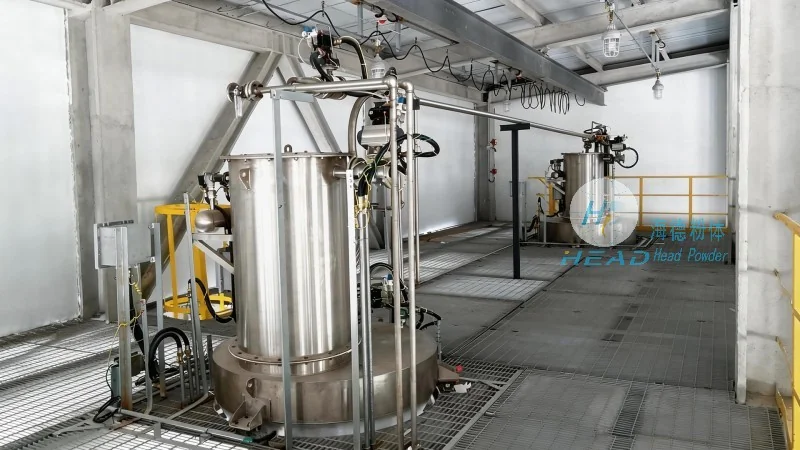
Despite these benefits, pneumatic conveying has significant drawbacks that must be considered. The most notable issue is its high energy consumption, as it requires substantial compressed air to move the material, leading to increased operational costs. Additionally, the system is sensitive to the size and moisture content of the cocoa powder; overly fine particles may cause blockages, while high moisture levels can lead to clogging or corrosion of the pipeline components. Furthermore, the initial investment for a pneumatic conveying system is generally higher than that of other methods, and maintenance can be more complex due to the need for air filtration and pressure regulation.
3. Belt Conveyor
A belt conveyor is a heavy-duty system commonly used for transporting large volumes of cocoa powder over long distances. It consists of a continuous belt that moves over rollers or pulleys, carrying the material from the loading point to the discharge point. The primary advantage of belt conveyors is their high capacity and ability to handle large quantities of material efficiently, making them ideal for high-throughput production environments. They also offer adjustable speed control, allowing operators to match the conveyor speed to the production rate, ensuring smooth material flow.
However, belt conveyors have significant limitations when applied to cocoa powder handling. The most critical drawback is the large footprint required, as the system needs ample space for the conveyor belt and supporting structures. This can be a major constraint in facilities with limited floor space. Additionally, belt conveyors are prone to material spillage and dust generation, especially at the loading and discharge points, which may require additional containment measures. Maintenance is also a concern, as the belt and rollers need regular inspection and replacement to prevent wear and tear, particularly when handling abrasive or sticky materials like cocoa powder.
4. HeadPowder's Custom Conveying Solutions
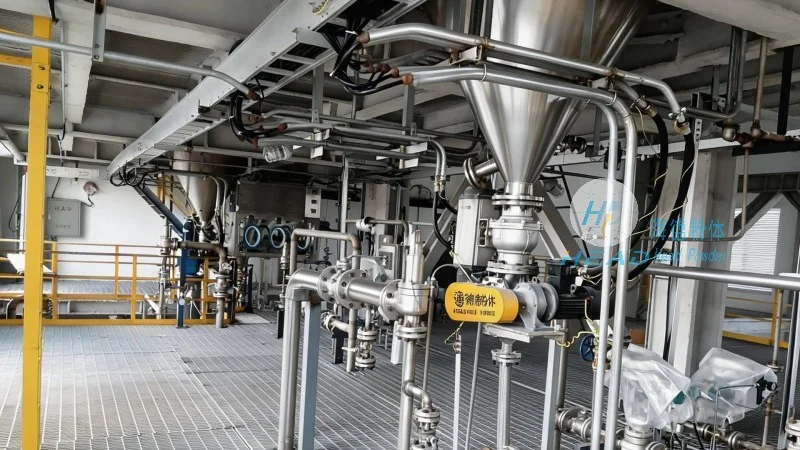
Shandong HeadPowder Engineering Co., Ltd., a leading manufacturer in the bulk material handling industry, specializes in developing customized conveying systems tailored to the specific needs of cocoa powder processing. With years of experience in the field, HeadPowder understands the unique challenges associated with cocoa powder, such as its fine texture, moisture sensitivity, and potential for caking. The company offers a range of solutions, including modified screw conveyors with cooling jackets to prevent heat buildup, and specialized pneumatic systems with advanced filtration to handle fine powders effectively.
HeadPowder's approach to conveying cocoa powder emphasizes efficiency, quality, and safety. By integrating features like temperature control, dust suppression, and material flow monitoring, their systems ensure that cocoa powder is transported without degradation, maintaining its color, aroma, and functional properties. The company's team of engineers works closely with clients to assess their production requirements, including the volume of cocoa powder, the distance of transport, and the desired discharge points, to design a system that optimizes performance and minimizes operational costs.
For businesses looking to enhance their cocoa powder handling processes, HeadPowder provides comprehensive support, from initial system design and installation to ongoing maintenance and troubleshooting. With a focus on durability and reliability, HeadPowder's conveying solutions are built to withstand the demands of industrial operations, ensuring long-term performance and minimal downtime. By choosing HeadPowder's customized conveying systems, companies can improve their overall productivity while maintaining the high standards required for cocoa powder quality.

 Công ty TNHH Kỹ thuật Công trình Bột Hải Đức Sơn Đông
 156-6277-7102(Quản lý Trương)
  0531-83386006
  Quận Chương Khâu, Thành phố Tế Nam, Tỉnh Sơn Đông, Trung Quốc
Điện thoại
WeChatTư vấn
Lên đầu