Công ty Hải Đức Bột với hơn 10 năm kinh nghiệm vận chuyển khí, cung cấp hệ thống‑thiết bị‑quạt gió và nhận dự án tổng thầu bột cả nước
Light calcium powder, a vital component in various industrial applications, necessitates efficient and reliable conveying systems to ensure seamless production workflows. The industry employs several methods for transporting this fine material, each with unique characteristics that influence performance, cost, and operational safety. This article provides a comprehensive comparison of common light calcium powder conveying methods, outlining their advantages and disadvantages to assist industrial operators in making informed decisions.
Company Overview: Shandong HeadPowder Engineering Co., Ltd.
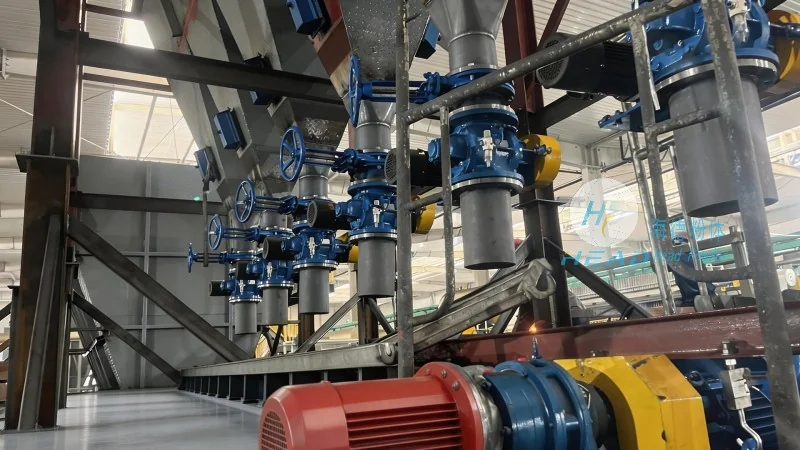
As a leading manufacturer in the field, Shandong HeadPowder Engineering Co., Ltd. specializes in delivering high-quality conveying solutions tailored to the calcium powder industry's needs. With a strong commitment to innovation and customer satisfaction, the company has established itself as a trusted partner for businesses seeking efficient and durable systems. Based in Shandong, China, HeadPowder leverages its expertise to deliver solutions that enhance productivity and reduce operational costs for its clients.
1. Pneumatic Conveying Systems
Pneumatic conveying is a widely adopted method for transporting light calcium powder due to its ability to handle fine powders and minimize dust exposure. This system operates by utilizing compressed air to move the powder through a pipeline. There are two primary types: pressure and vacuum systems. Pressure systems are suitable for short-distance conveying and can handle larger material quantities, while vacuum systems are ideal for longer distances and more delicate powders.
Advantages of pneumatic conveying include high efficiency in moving powders, reduced risk of contamination, and the ability to integrate with existing production lines. It also enables continuous operation, which can improve overall productivity. However, the system has drawbacks such as higher energy consumption compared to other methods and potential for material degradation if air velocity is too high. Additionally, maintenance costs can be significant due to the need for regular cleaning and component replacement.
2. Mechanical Conveying Systems
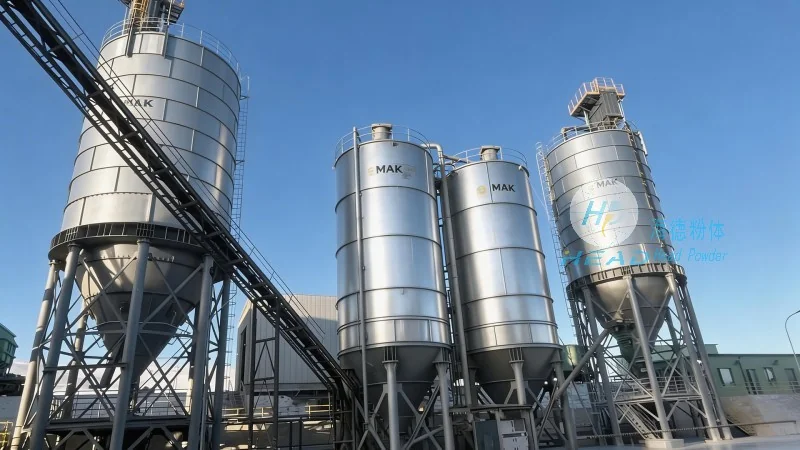
Mechanical conveying systems, including screw conveyors, belt conveyors, and bucket elevators, are another common approach for light calcium powder transport. These systems rely on mechanical force to move the material. Screw conveyors are particularly effective for horizontal or slightly inclined transport, as they use a rotating screw to push the powder forward. Belt conveyors are versatile and can handle both horizontal and inclined movements, making them suitable for various production settings. Bucket elevators are ideal for vertical transport, lifting the powder from lower to higher levels.
One of the key advantages of mechanical conveying is its lower energy consumption compared to pneumatic systems. It also offers a more straightforward design, which can reduce maintenance requirements. However, mechanical systems may be less effective in handling very fine or cohesive powders, as they can lead to blockages or material degradation. Additionally, they may not be suitable for long-distance transport without intermediate storage or transfer points.
3. Hydraulic Conveying Systems
Hydraulic conveying systems use fluid pressure to transport light calcium powder. This method is less common in the industry but can be effective for specific applications, such as transporting highly abrasive or corrosive powders. The system typically involves a pump that forces the powder and liquid through a pipeline, with the liquid acting as a carrier medium.
The primary advantage of hydraulic conveying is its ability to handle extremely fine or abrasive powders without causing damage to the material. It also provides consistent flow rates, which can improve process control. However, the system has significant drawbacks, including high water usage and the need for additional equipment to separate the powder from the liquid after transport. This can increase operational costs and complexity, making it less practical for most light calcium powder applications.
4. Gravity Conveying Systems
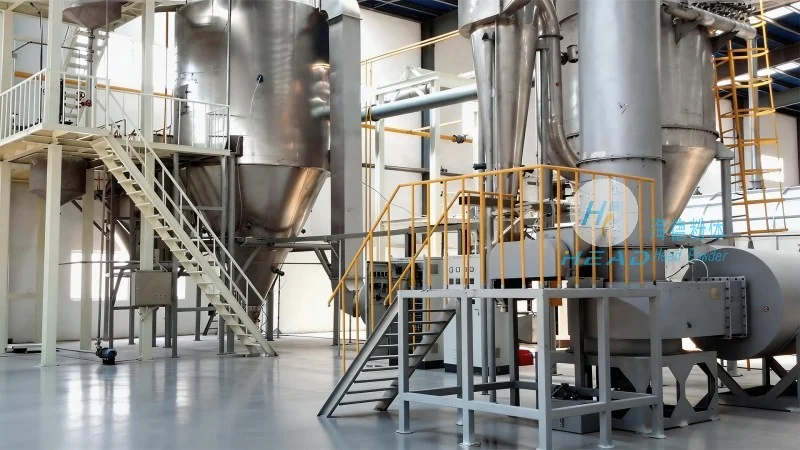
Gravity conveying systems rely on the natural force of gravity to move light calcium powder from higher to lower levels. This method is simple and cost-effective, as it does not require any external power source. It is commonly used in applications where the powder needs to be transferred from a silo or storage bin to a processing unit at a lower elevation.
Advantages of gravity conveying include low energy consumption and minimal maintenance requirements. It is also suitable for handling non-flowing or cohesive powders, as the material can be guided along a sloped chute. However, the system has limitations in terms of distance and elevation change. It is only effective for short distances and small vertical drops, and it may not be suitable for transporting powders over long distances or to higher levels.
Conclusion and Recommendations
When selecting a light calcium powder conveying method, industrial operators must consider several factors, including the powder's properties, the distance and elevation changes, and the required throughput. Pneumatic systems are ideal for high-volume, short-distance transport, while mechanical systems offer a more economical solution for moderate distances. Hydraulic systems are best suited for specialized applications, and gravity systems are suitable for simple, low-volume transfers.
Shandong HeadPowder Engineering Co., Ltd. offers a range of conveying solutions that can be customized to meet the specific needs of its clients. By understanding the advantages and disadvantages of each method, businesses can choose the most appropriate system to enhance their production efficiency and ensure the safe and reliable transport of light calcium powder.

 Công ty TNHH Kỹ thuật Công trình Bột Hải Đức Sơn Đông
 156-6277-7102(Quản lý Trương)
  0531-83386006
  Quận Chương Khâu, Thành phố Tế Nam, Tỉnh Sơn Đông, Trung Quốc
Điện thoại
WeChatTư vấn
Lên đầu