Công ty Hải Đức Bột với hơn 10 năm kinh nghiệm vận chuyển khí, cung cấp hệ thống‑thiết bị‑quạt gió và nhận dự án tổng thầu bột cả nước
When it comes to handling and transporting ceramic powders, selecting the right conveying method is crucial for ensuring efficiency, product integrity, and operational safety. Various technologies are available, each with distinct advantages and limitations. This article provides an in-depth comparison of common ceramic powder conveying methods, helping industrial professionals make informed decisions based on their specific application requirements.
Overview of Key Conveying Methods for Ceramic Powders
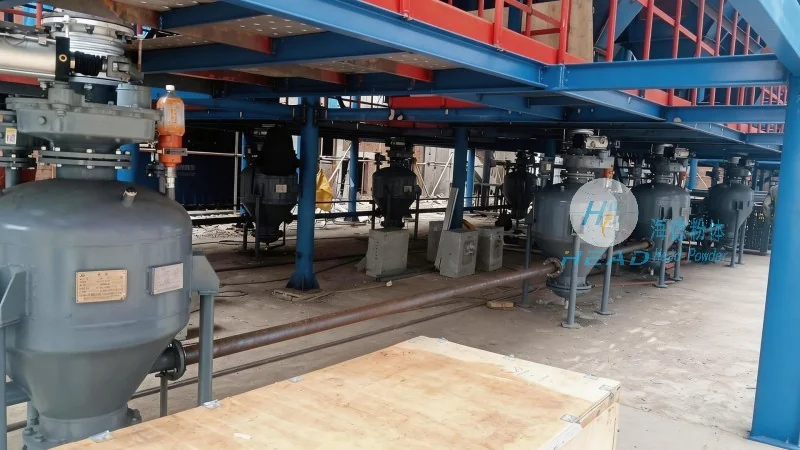
Ceramic powders, due to their fine particle size and sometimes abrasive nature, demand specialized handling solutions. The primary methods used in industrial settings include screw conveyors, pneumatic (air) conveying systems, and vibratory conveyors. Each method operates on different principles and is suited to different material characteristics and process needs.
Screw Conveyors: Mechanical and Versatile Solutions
Screw conveyors, also known as auger conveyors, are widely used for ceramic powder transport. These systems consist of a rotating screw (auger) inside a cylindrical housing. The rotation of the screw pushes the material forward, making them suitable for horizontal or slightly inclined transport. The advantages of screw conveyors include their simplicity, low maintenance, and ability to handle a wide range of particle sizes. They are particularly effective for dry, free-flowing powders and can be integrated into existing processing lines with minimal modifications.
However, screw conveyors have limitations. They are less efficient for vertical transport and can cause particle degradation if the material is too abrasive or sticky. Additionally, they may not be suitable for powders that are highly cohesive or prone to bridging, as this can lead to blockages and reduced throughput. The design of the screw and housing must be carefully selected to prevent material buildup and ensure smooth operation.
Pneumatic Conveying Systems: Air-Driven Efficiency
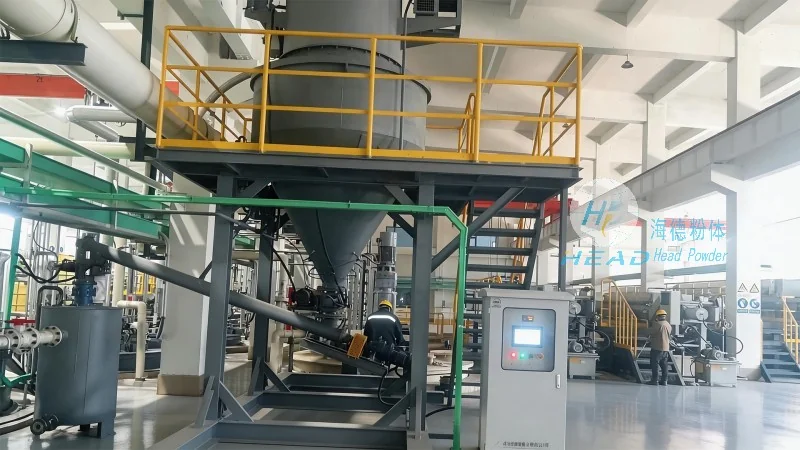
Pneumatic conveying uses compressed air to transport ceramic powders through a pipeline. This method is ideal for long-distance or vertical transport and is particularly effective for powders that are light and free-flowing. The primary advantage of pneumatic systems is their ability to handle fine powders without the need for mechanical contact, reducing the risk of particle attrition and contamination. They also offer flexibility in system layout, allowing for complex routing and integration with other process equipment.
Despite these benefits, pneumatic conveying has its drawbacks. It requires significant energy input due to the need for compressed air, and the system can be more complex to install and maintain. Additionally, certain powders may be sensitive to air exposure, leading to moisture absorption or degradation. The choice of air velocity and system design is critical to prevent material degradation and ensure efficient transport.
Vibratory Conveyors: Gentle and Controlled Transport
Vibratory conveyors utilize vibration to move ceramic powders along a trough. This method is particularly suitable for powders that are cohesive or prone to bridging, as the vibration helps break up agglomerates and prevent blockages. The gentle nature of vibratory transport minimizes particle degradation, making it ideal for high-value or sensitive ceramic powders.
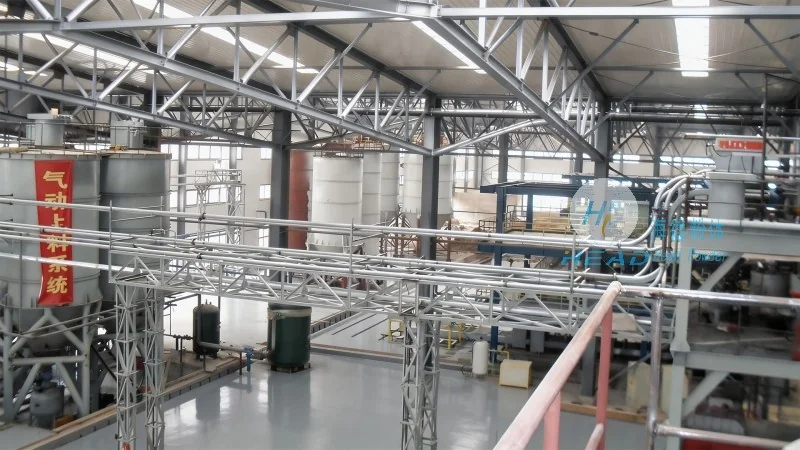
However, vibratory conveyors are generally slower than screw or pneumatic systems and are best suited for moderate distances and capacities. They require regular maintenance of the vibration mechanism and may not be as efficient for very fine powders that require high air velocities. The design of the vibration frequency and amplitude must be optimized to match the material properties and transport requirements.
Choosing the Right Conveying Method: Factors to Consider
The selection of a ceramic powder conveying method depends on several key factors, including the material's physical properties (particle size, density, moisture content), the required transport distance and elevation, and the desired throughput. For example, screw conveyors are often preferred for short horizontal distances and dry, free-flowing powders, while pneumatic systems excel in long-distance or vertical transport of fine powders. Vibratory conveyors are ideal for cohesive materials or when product integrity is paramount.
Cost considerations also play a significant role. Screw conveyors are typically lower in initial investment and maintenance costs, whereas pneumatic systems may have higher energy and installation expenses. The long-term operational costs, including energy consumption and maintenance frequency, should be evaluated alongside the initial investment.
HeadPowder: Your Trusted Partner in Ceramic Powder Handling
At Shandong HeadPowder Engineering Co., Ltd., we understand the unique challenges of ceramic powder handling. As a leading supplier of conveying solutions, we offer a range of equipment tailored to meet the specific needs of our clients. Our expertise in material science and process engineering ensures that we provide reliable, efficient, and cost-effective solutions for ceramic powder transport. Whether you require screw conveyors, pneumatic systems, or vibratory conveyors, our team of professionals can assist in selecting the optimal system for your application.
We are committed to delivering high-quality products and services, backed by years of experience in the industry. Our solutions are designed to enhance operational efficiency, ensure product integrity, and meet the highest standards of safety and performance. Contact us today to learn more about how our conveying systems can improve your ceramic powder handling processes.

 Công ty TNHH Kỹ thuật Công trình Bột Hải Đức Sơn Đông
 156-6277-7102(Quản lý Trương)
  0531-83386006
  Quận Chương Khâu, Thành phố Tế Nam, Tỉnh Sơn Đông, Trung Quốc
Điện thoại
WeChatTư vấn
Lên đầu