Công ty Hải Đức Bột với hơn 10 năm kinh nghiệm vận chuyển khí, cung cấp hệ thống‑thiết bị‑quạt gió và nhận dự án tổng thầu bột cả nước
Coconut shell powder, a widely used material in various industries such as filtration, animal feed, and industrial applications, requires efficient and reliable conveying methods to ensure smooth operation and product integrity. The choice of conveying system significantly impacts production efficiency, material handling costs, and overall operational safety. This article provides a detailed comparison of common coconut shell powder conveying methods, highlighting their advantages and disadvantages to assist industrial operators in making informed decisions.
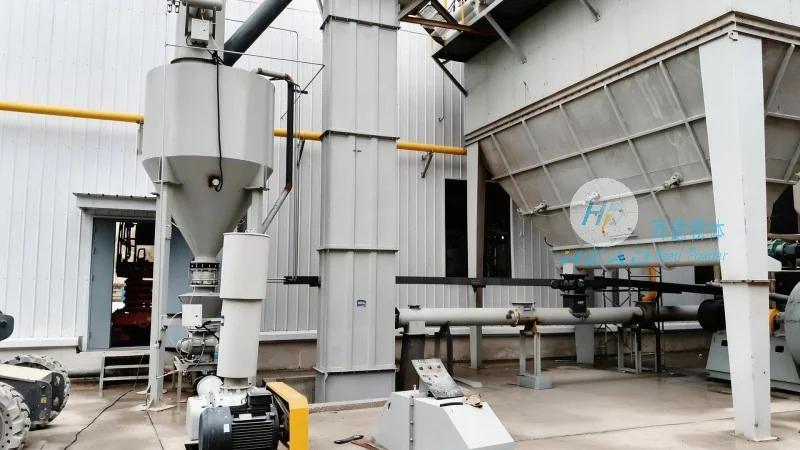
Key Factors Influencing Conveying Method Selection
Before delving into specific conveying technologies, it is essential to consider several key factors that influence the selection of an appropriate system for coconut shell powder. These factors include material properties (e.g., bulk density, flowability, moisture content), production scale, space availability, and budget constraints. Understanding these aspects helps in aligning the conveying solution with the operational requirements of the facility. For instance, materials with high moisture content may require systems with better moisture control to prevent caking or degradation, while large-scale operations often demand high-capacity solutions to maintain production throughput.
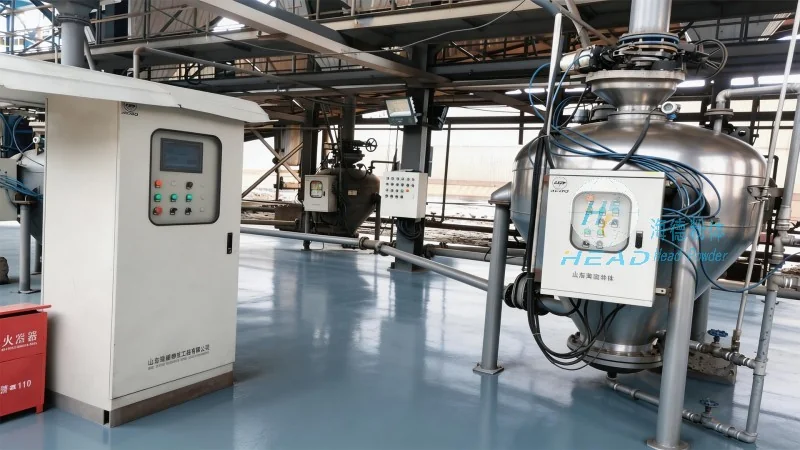
1. Screw Conveyors: Advantages and Limitations
Screw conveyors, also known as auger conveyors, are among the most common and versatile methods for handling coconut shell powder. These systems utilize a rotating helical screw to move material along a trough or tube. One of the primary advantages of screw conveyors is their ability to handle a wide range of materials, including those with varying bulk densities and flow characteristics. They are particularly effective for vertical or inclined transport, as the screw can lift and move material without the need for additional equipment. Additionally, screw conveyors are relatively simple in design, making them easy to install and maintain. However, they have several limitations that must be considered. For example, they are not suitable for high-capacity applications due to the risk of material bridging or blockages. Moreover, the screw and trough can be prone to wear, especially when handling abrasive materials like coconut shell powder, leading to increased maintenance costs over time. Another drawback is that screw conveyors may not be ideal for materials with high moisture content, as the screw can cause excessive friction and heat, potentially damaging the material.
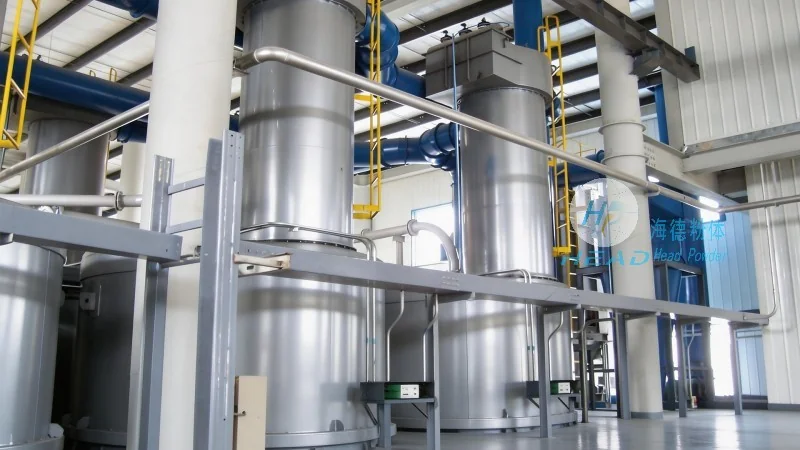
2. Pneumatic Conveying Systems: High-Capacity and Versatility
Pneumatic conveying systems use air or other gases to transport coconut shell powder through a pipeline. These systems are highly versatile and can handle a wide range of materials, including those with varying particle sizes and moisture levels. One of the significant advantages of pneumatic conveying is its ability to transport materials over long distances and at high capacities, making it suitable for large-scale industrial operations. The system can also be designed for both positive and negative pressure, allowing flexibility in material handling. For instance, positive pressure systems push material through the pipeline using compressed air, while negative pressure systems draw material using vacuum. This flexibility makes pneumatic conveying an attractive option for facilities with complex layouts or multiple processing points. However, pneumatic conveying has its drawbacks. The primary challenge is the high energy consumption, as it requires significant air pressure or vacuum to move the material. Additionally, the system can be susceptible to material degradation due to friction and abrasion within the pipeline, especially for abrasive materials like coconut shell powder. Furthermore, the cost of installation and maintenance can be higher compared to other conveying methods, as it involves complex piping and air handling equipment.

 Công ty TNHH Kỹ thuật Công trình Bột Hải Đức Sơn Đông
 156-6277-7102(Quản lý Trương)
  0531-83386006
  Quận Chương Khâu, Thành phố Tế Nam, Tỉnh Sơn Đông, Trung Quốc
Điện thoại
WeChatTư vấn
Lên đầu