Công ty Hải Đức Bột với hơn 10 năm kinh nghiệm vận chuyển khí, cung cấp hệ thống‑thiết bị‑quạt gió và nhận dự án tổng thầu bột cả nước
When it comes to the efficient and reliable transport of mica powder, selecting the right conveying method is crucial for industrial operations. Mica powder, with its unique properties such as high thermal stability and electrical insulation, is widely used in various industries including electronics, construction, and cosmetics. However, the diverse nature of mica powder—ranging from fine to coarse particles—requires specialized conveying solutions to prevent issues like clogging, dust generation, and material degradation. This article provides a detailed comparison of common mica powder conveying methods, highlighting their advantages and disadvantages to help industrial manufacturers make informed decisions.
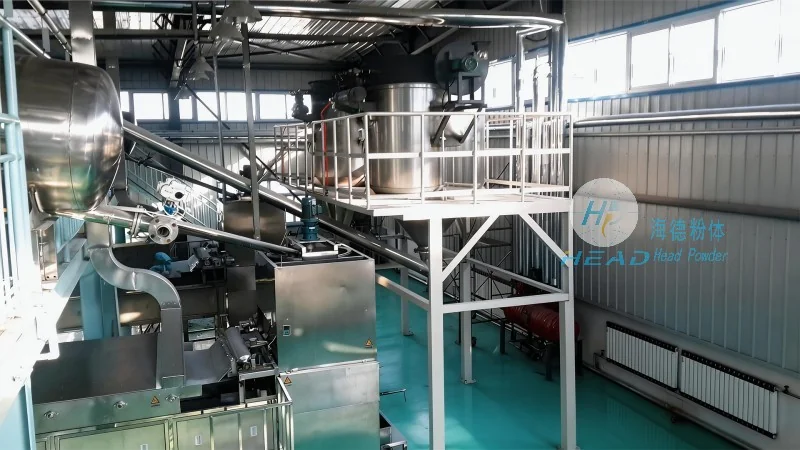
As a leading manufacturer in the mica powder processing industry, Shandong HeadPowder Engineering Co., Ltd. (referred to as HeadPowder) specializes in providing high-quality mica powder and advanced conveying systems tailored to meet the specific needs of clients. With years of experience and a commitment to innovation, HeadPowder offers solutions that enhance productivity, ensure material integrity, and reduce operational costs. The company’s headquarters is located in Shandong, China, where it conducts research, development, and production to deliver superior products and services to the global market.
Screw Conveyors: Advantages and Disadvantages
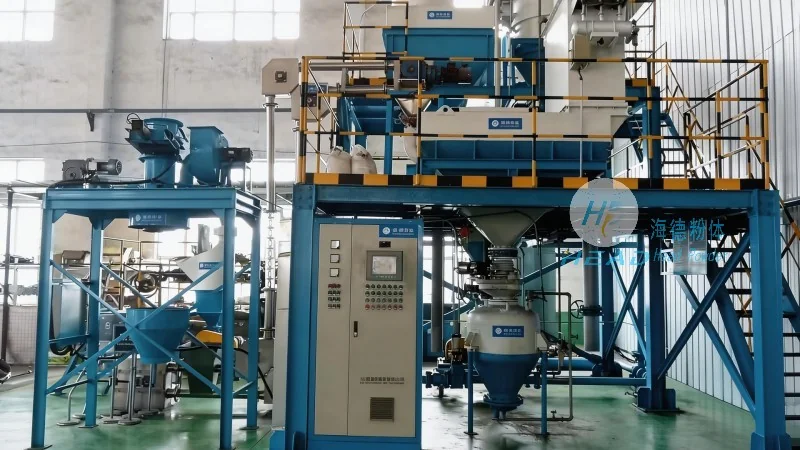
Screw conveyors, also known as auger conveyors, are one of the most common methods for transporting mica powder. These systems consist of a rotating screw (auger) inside a cylindrical tube, which moves material from one end to the other through gravity and friction. The primary advantage of screw conveyors is their simplicity and low cost, making them suitable for short-distance transport and horizontal or slight incline applications. They are also easy to install and maintain, with minimal moving parts that reduce the risk of mechanical failure. However, screw conveyors have several limitations when handling fine mica powder. The rotating screw can cause excessive friction, leading to heat generation and potential degradation of the powder's properties. Additionally, fine particles may stick to the screw surface or the tube walls, resulting in clogging and reduced efficiency. For large volumes or long-distance transport, screw conveyors may not be the most effective option due to their limited capacity and higher energy consumption compared to other methods.
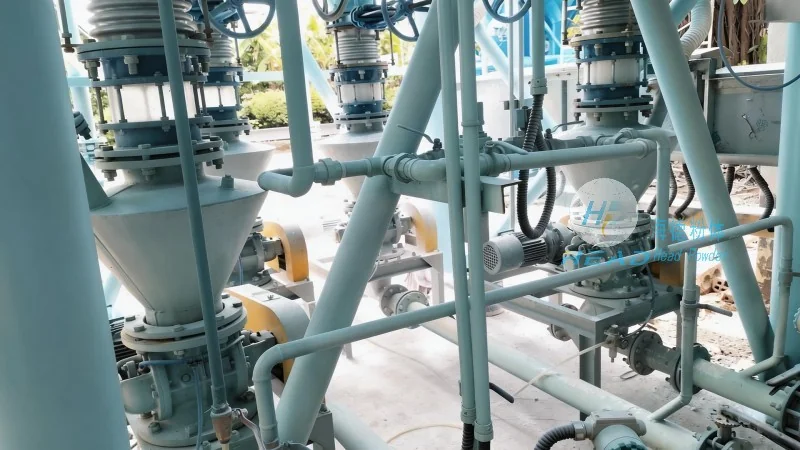
Air-Powered Conveyors (Pneumatic Conveying): Advantages and Disadvantages
Air-powered conveyors, or pneumatic systems, use compressed air to transport mica powder through a pipeline. This method is particularly effective for fine and dry powders, as it minimizes contact with equipment and reduces the risk of contamination. One of the key advantages of pneumatic conveying is its ability to handle long distances and multiple transfer points without the need for additional equipment. The system can also be designed for both positive and negative pressure, allowing for flexible material transport. However, pneumatic conveyors have significant drawbacks, especially when dealing with mica powder. The high velocity of air can cause particle attrition, leading to the breakdown of mica crystals and the generation of fine dust. This not only reduces the quality of the powder but also poses health and safety risks. Furthermore, the energy consumption of pneumatic systems is relatively high, making them less cost-effective for large-scale operations. Maintenance is also more complex, as the system requires regular cleaning of filters and pipelines to prevent blockages.
Belt Conveyors: Advantages and Disadvantages
Belt conveyors are widely used in bulk material handling, including mica powder, due to their high capacity and ability to transport materials over long distances. These systems consist of a continuous belt that moves material from the loading point to the discharge point, supported by rollers and a frame. The primary advantage of belt conveyors is their high throughput, making them suitable for large-scale industrial applications. They can handle a wide range of particle sizes and are relatively simple to operate and maintain. Belt conveyors also provide a stable and continuous flow of material, reducing the risk of interruptions. However, belt conveyors have limitations when handling fine mica powder. The static charge generated by the moving belt can cause dust to accumulate and stick to the belt surface, leading to clogging and reduced efficiency. Additionally, the belt material may not be compatible with certain mica powder properties, such as high moisture content or abrasive characteristics, which can cause wear and tear over time. The initial cost of belt conveyors is also higher compared to other methods, and they require more space for installation.
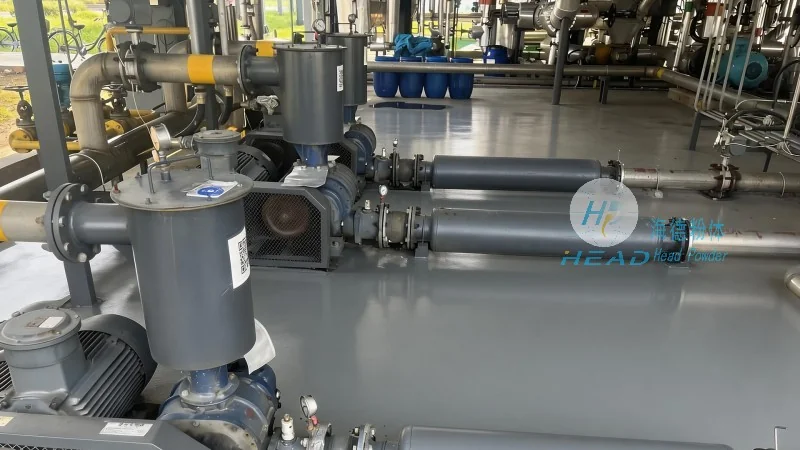
Spiral Plate Conveyors: Advantages and Disadvantages
Spiral plate conveyors are a specialized type of screw conveyor that uses a flat, spiral-shaped plate instead of a rotating screw. This design allows for the smooth and continuous transport of mica powder without the risk of clogging or material degradation. The primary advantage of spiral plate conveyors is their ability to handle fine and cohesive powders, as the flat surface reduces friction and prevents particle sticking. They are also suitable for vertical or inclined transport, making them ideal for applications where space is limited. However, spiral plate conveyors have lower capacity compared to traditional screw conveyors, which may limit their use in high-volume operations. The system is also more complex to install and maintain, as the spiral plate requires precise alignment and regular cleaning to ensure optimal performance. Additionally, the initial cost of spiral plate conveyors is higher, making them less cost-effective for small-scale applications.

 Công ty TNHH Kỹ thuật Công trình Bột Hải Đức Sơn Đông
 156-6277-7102(Quản lý Trương)
  0531-83386006
  Quận Chương Khâu, Thành phố Tế Nam, Tỉnh Sơn Đông, Trung Quốc
Điện thoại
WeChatTư vấn
Lên đầu