Công ty Hải Đức Bột với hơn 10 năm kinh nghiệm vận chuyển khí, cung cấp hệ thống‑thiết bị‑quạt gió và nhận dự án tổng thầu bột cả nước
Micro silica powder, a vital component in numerous industrial applications such as concrete, refractory materials, and specialty coatings, demands efficient and reliable conveying solutions to maintain production continuity and material integrity. The selection of an appropriate conveying method is critical as it directly influences operational efficiency, cost, and the quality of the final product. This article provides a comprehensive comparison of common micro silica powder conveying methods, highlighting their respective advantages and disadvantages, to assist professionals in selecting the most suitable option for their specific needs.
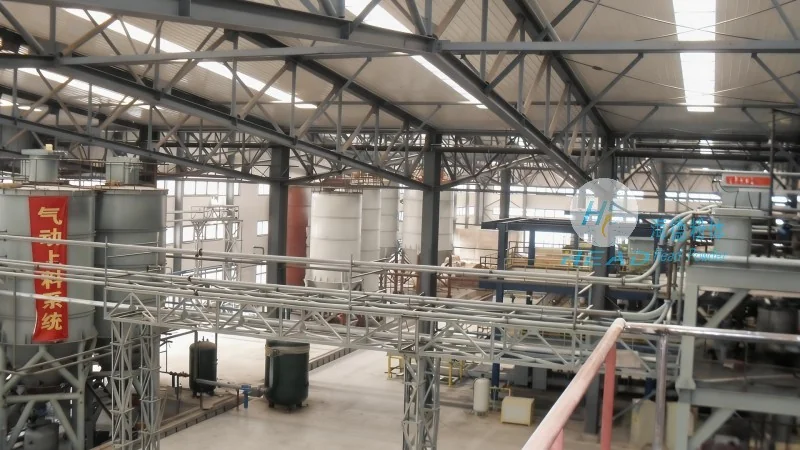
Overview of Micro Silica Powder Conveying Methods
Micro silica powder, characterized by its fine particle size and high surface area, requires specialized conveying techniques to prevent agglomeration and maintain flowability. Common methods include pneumatic conveying, screw conveyors, and pump-based systems. Each method has distinct characteristics that make it suitable for different operational scenarios.
Pneumatic Conveying Systems
Pneumatic conveying uses air pressure to transport micro silica powder through a pipeline. This method is ideal for long-distance, high-volume transport and can be either positive pressure (air pushing material) or negative pressure (air sucking material). One of the primary advantages of pneumatic conveying is its ability to handle fine powders without mechanical contact, reducing the risk of contamination and wear. It also allows for enclosed, dust-free transport, which is beneficial for environmental compliance and worker safety. However, this method has notable drawbacks. It typically requires higher energy consumption compared to other systems, as significant air pressure is needed to move the material. Additionally, it may be sensitive to variations in particle size and moisture content, which can affect flow and cause blockages. The system also generates static electricity, which can be a safety hazard if not properly managed.
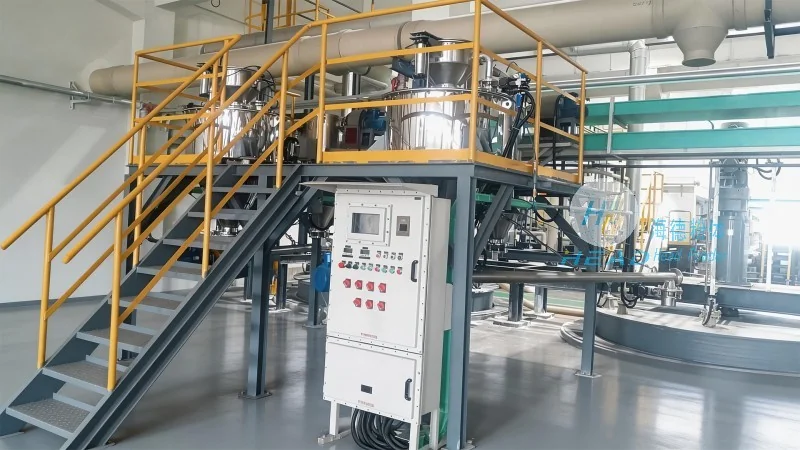
Screw Conveyors for Micro Silica Powder
Screw conveyors, also known as auger conveyors, use a rotating screw to move micro silica powder along a trough. This method is commonly used for short to medium-distance transport and is particularly effective for horizontal or slight incline applications. A key advantage of screw conveyors is their simple and robust design, which results in lower initial costs and minimal maintenance requirements. They are also capable of handling a wide range of materials, including those with moderate moisture content, without the need for additional equipment. The enclosed design of screw conveyors helps contain dust and prevent material loss. However, these systems have limitations. They are prone to blockages, especially with cohesive or high-moisture powders, which can lead to operational downtime. The rotating screw also causes wear on the trough and screw itself over time, increasing maintenance costs. Moreover, screw conveyors are generally less efficient for long-distance transport compared to pneumatic systems.
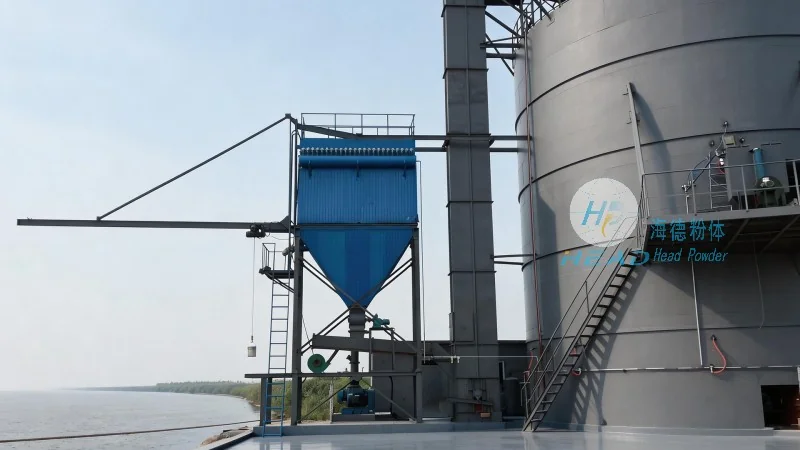
Pump-Based Conveying Systems
Pump-based conveying systems, such as positive displacement pumps or centrifugal pumps, are used to transport micro silica powder in a slurry or paste form. This method is suitable for applications where the powder needs to be mixed with liquids or when the material is in a semi-liquid state. The primary advantage of pump-based systems is their ability to maintain a consistent flow rate and handle high concentrations of solids, making them ideal for complex piping networks and long-distance transport. They are also effective in overcoming obstacles and changes in elevation. However, these systems have significant drawbacks. The equipment is more complex and expensive to install and maintain compared to pneumatic or screw conveyors. Pump systems require regular maintenance to prevent wear and tear, and they may generate bubbles or air pockets in the slurry, which can affect the material's consistency. Additionally, the use of pumps can increase energy consumption and may not be suitable for dry powders without prior mixing.
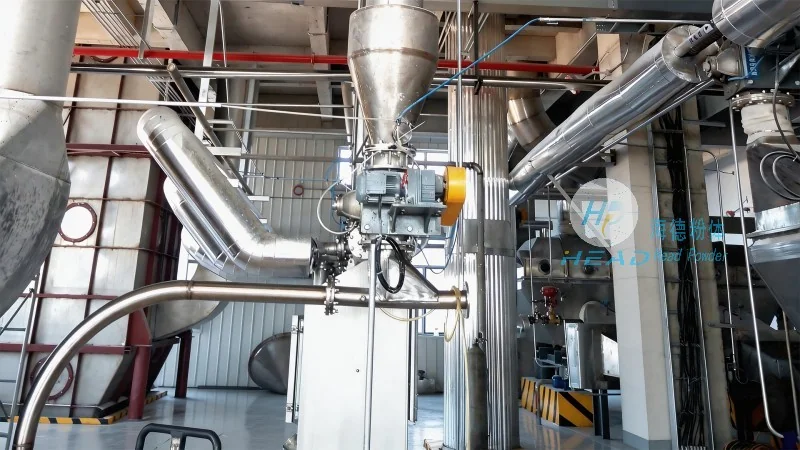
Comparative Analysis of Conveying Methods
When comparing pneumatic, screw, and pump-based conveying systems for micro silica powder, several factors must be considered. Pneumatic conveying excels in long-distance, dry powder transport with minimal contamination risk but at higher energy costs. Screw conveyors offer simplicity and low maintenance for short distances but are vulnerable to blockages and wear. Pump-based systems are superior for handling slurries and complex routes but involve higher capital and operational expenses. The choice ultimately depends on the specific application requirements, including material properties, distance, and budget constraints.
Recommendations for Choosing the Right Conveying Method
For industries dealing with micro silica powder, selecting the appropriate conveying method requires a thorough evaluation of operational needs. Shandong HeadPowder Engineering Co., Ltd., a leading provider of micro silica powder solutions, emphasizes the importance of matching the conveying system to the material's characteristics and production scale. For instance, if the application involves long-distance transport of dry, fine powder with strict environmental controls, pneumatic conveying is likely the best choice despite its higher energy use. Conversely, for short-distance transport in a low-cost environment with moderate moisture content, a screw conveyor may be more economical. Companies should also consider the impact of maintenance costs and system reliability on overall operational efficiency. By carefully analyzing these factors, businesses can optimize their micro silica powder handling processes and enhance productivity.

 Công ty TNHH Kỹ thuật Công trình Bột Hải Đức Sơn Đông
 156-6277-7102(Quản lý Trương)
  0531-83386006
  Quận Chương Khâu, Thành phố Tế Nam, Tỉnh Sơn Đông, Trung Quốc
Điện thoại
WeChatTư vấn
Lên đầu