Công ty Hải Đức Bột với hơn 10 năm kinh nghiệm vận chuyển khí, cung cấp hệ thống‑thiết bị‑quạt gió và nhận dự án tổng thầu bột cả nước
PTFE (Polytetrafluoroethylene), commonly known as Teflon, is a high-performance polymer widely used in industrial applications due to its excellent chemical resistance, thermal stability, and low friction properties. When handling PTFE materials, efficient and reliable conveying systems are essential to ensure material integrity and operational efficiency. This article explores common PTFE conveying methods, with a focus on PTFE pneumatic conveying systems, and highlights the expertise of Shandong HeadPowder Engineering Co., Ltd., a leading provider in the field.
Understanding PTFE Conveying Challenges
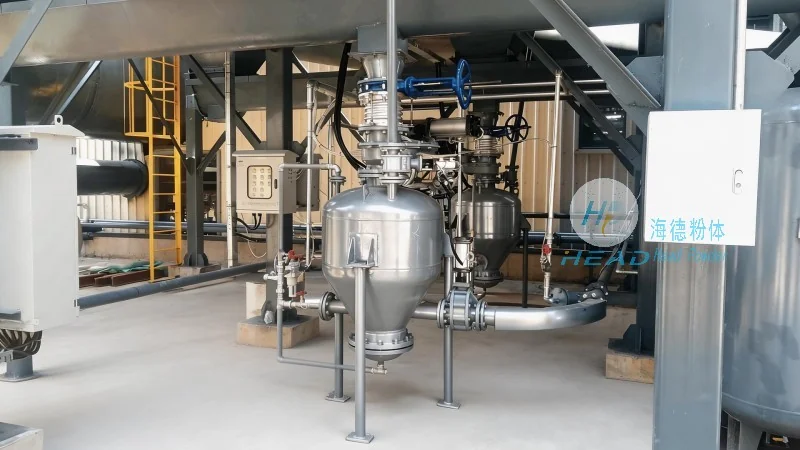
Conveying PTFE materials presents unique challenges compared to traditional bulk materials. PTFE is often in the form of powders, granules, or fine particles, which can be difficult to handle due to its low bulk density and tendency to stick to surfaces. Additionally, PTFE is sensitive to moisture and can degrade if exposed to certain chemicals or high temperatures during transport. Therefore, selecting the right conveying method is critical to maintain material quality and prevent contamination or degradation.
Common PTFE Conveying Methods
Several methods are used for transporting PTFE materials, each with its own advantages and limitations. The most common approaches include mechanical conveying, pneumatic conveying, and vacuum systems. Mechanical conveying, such as screw conveyors or belt conveyors, is suitable for handling larger PTFE particles or pellets but may not be effective for fine powders due to the risk of material buildup and blockages. Vacuum systems are often used for small-scale or localized transport but have limitations in terms of distance and material capacity.
PTFE Pneumatic Conveying Systems: The Preferred Solution
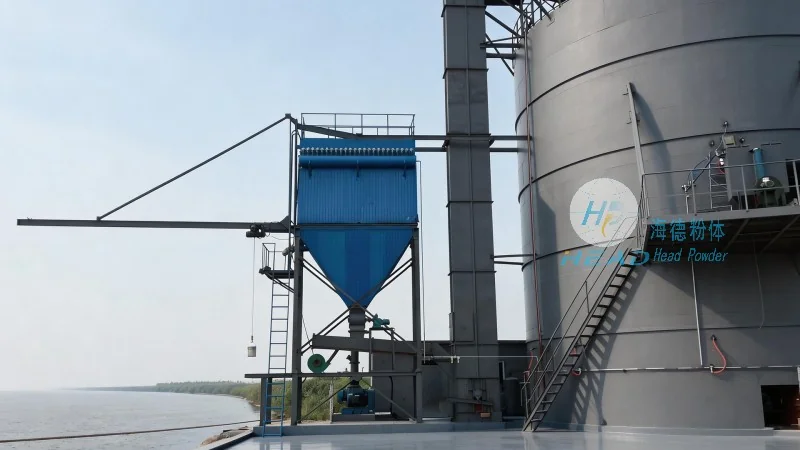
PTFE pneumatic conveying systems have emerged as the preferred method for handling PTFE materials, particularly in industrial settings where high efficiency and material integrity are paramount. Pneumatic conveying uses compressed air or other gases to transport PTFE particles through a pipeline, eliminating the need for mechanical components that can cause wear or contamination. This method is ideal for fine PTFE powders and granules, as it minimizes material degradation and ensures consistent flow rates.
Key Components of PTFE Pneumatic Conveying Systems
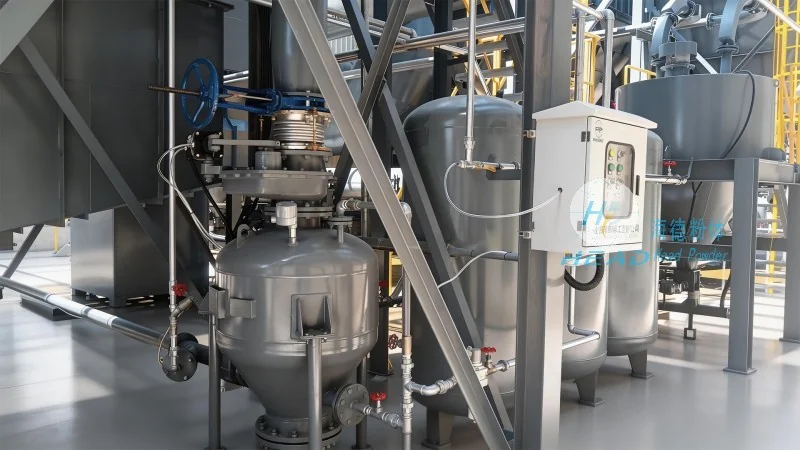
PTFE pneumatic conveying systems typically consist of several key components, including a material feed hopper, a conveying line, a pressure vessel or receiver, and a control system. The feed hopper is designed to hold the PTFE material and feed it into the conveying line at a controlled rate. The conveying line is usually made of PTFE or other corrosion-resistant materials to prevent material degradation and ensure smooth flow. The pressure vessel or receiver collects the conveyed material and may include a filtration system to remove any fine particles or contaminants. The control system monitors and regulates the pressure, flow rate, and other parameters to ensure optimal operation.
Advantages of PTFE Pneumatic Conveying
PTFE pneumatic conveying systems offer several advantages over other methods. First, they provide high material throughput and can transport PTFE over long distances without significant loss of material quality. Second, the system is relatively simple to install and maintain, with fewer moving parts compared to mechanical conveyors. Third, pneumatic conveying is less likely to cause material degradation or contamination, as the material is not in direct contact with metal or other surfaces. Finally, the system can be easily integrated with other industrial processes, such as mixing or processing, to create a seamless workflow.
Applications of PTFE Pneumatic Conveying
PTFE pneumatic conveying systems are widely used in various industries that handle PTFE materials, including chemical manufacturing, pharmaceuticals, and aerospace. In the chemical industry, PTFE is used as a coating or additive in various products, and pneumatic conveying is used to transport PTFE powders to processing plants. In the pharmaceutical industry, PTFE is used in medical devices and drug delivery systems, and pneumatic conveying ensures that the material is handled hygienically and without contamination. In the aerospace industry, PTFE is used in high-performance components, and pneumatic conveying is used to transport PTFE powders to manufacturing facilities.
Shandong HeadPowder Engineering Co., Ltd.: Expertise in PTFE Conveying
Shandong HeadPowder Engineering Co., Ltd., commonly known as HeadPowder, is a leading provider of PTFE conveying systems and related equipment. With years of experience in the industry, HeadPowder specializes in designing and manufacturing custom PTFE pneumatic conveying systems tailored to the specific needs of its clients. The company's expertise lies in understanding the unique challenges of PTFE materials and developing solutions that ensure material integrity and operational efficiency. HeadPowder's systems are designed to meet the highest standards of quality and safety, and the company provides comprehensive support, including installation, maintenance, and technical assistance.
Conclusion
PTFE pneumatic conveying systems are the most effective method for handling PTFE materials, offering high efficiency, material integrity, and flexibility. Shandong HeadPowder Engineering Co., Ltd. is a trusted partner for businesses seeking reliable PTFE conveying solutions, with a commitment to quality, innovation, and customer satisfaction. By choosing HeadPowder's PTFE pneumatic conveying systems, companies can ensure that their PTFE materials are transported safely and efficiently, supporting their overall operational success.

 Công ty TNHH Kỹ thuật Công trình Bột Hải Đức Sơn Đông
 156-6277-7102(Quản lý Trương)
  0531-83386006
  Quận Chương Khâu, Thành phố Tế Nam, Tỉnh Sơn Đông, Trung Quốc
Điện thoại
WeChatTư vấn
Lên đầu