Công ty Hải Đức Bột với hơn 10 năm kinh nghiệm vận chuyển khí, cung cấp hệ thống‑thiết bị‑quạt gió và nhận dự án tổng thầu bột cả nước
When it comes to handling and transporting dust collection ash, selecting the right conveying method is crucial for efficiency, safety, and operational reliability. Various technologies are available, each with its own advantages and applications. This article provides an overview of common dust collection ash conveying methods, with a focus on the principles and applications of dust air conveying systems.
Understanding Dust Collection Ash and Conveying Challenges
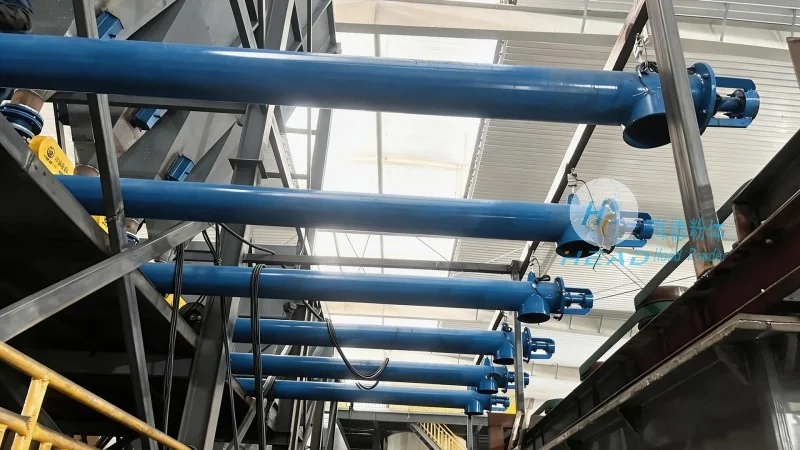
Dust collection ash, also known as fly ash or bottom ash from industrial processes, poses unique challenges during transportation. These challenges include the need to handle fine, abrasive particles, maintain consistent flow rates, and ensure minimal environmental impact. Traditional methods like mechanical conveyors may struggle with the fine particle size and potential for dust dispersion, making specialized systems essential.
Dust Air Conveying: A Comprehensive Overview
Dust air conveying, or pneumatic conveying, is a widely adopted method for transporting dust collection ash. This technology uses compressed air to move particles through a pipeline system. There are two primary types: dilute phase and dense phase conveying. Dilute phase systems are suitable for long-distance transport and low to medium particle concentrations, while dense phase systems are ideal for short distances and high particle loads, offering better control over flow and pressure.
Key Components of Dust Air Conveying Systems
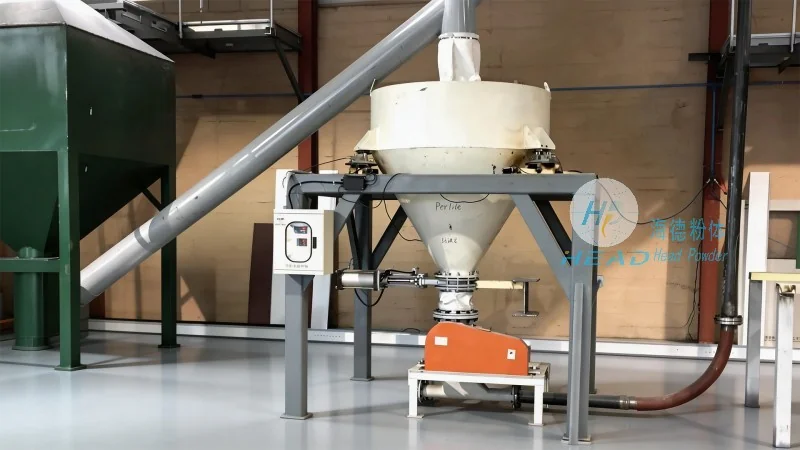
A typical dust air conveying system consists of several critical components. These include a dust collector or hopper to collect the ash, a blower or compressor to generate the necessary air pressure, a pipeline network to transport the material, and a receiver or discharge unit to deliver the ash to its destination. The choice of components depends on the specific application, including the ash characteristics, distance to be covered, and required flow rate.
Advantages of Dust Air Conveying for Ash Transport
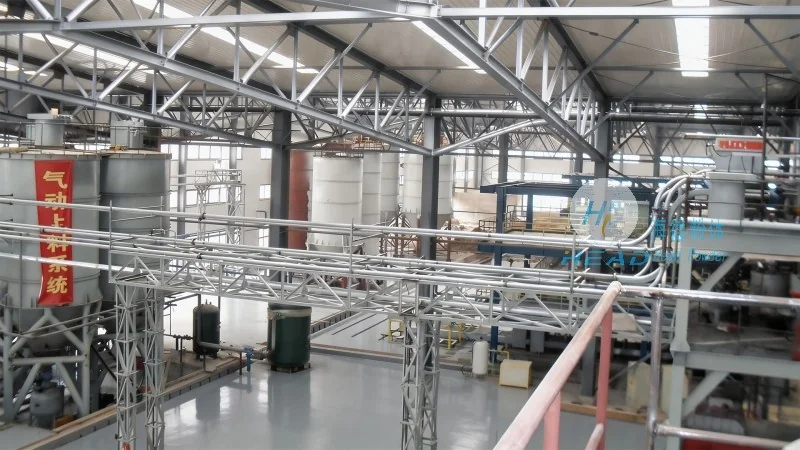
Compared to traditional mechanical conveyors, dust air conveying offers several advantages. It provides a closed system, reducing dust emissions and improving workplace safety. The system is flexible, allowing for changes in the conveying route or destination without major modifications. Additionally, it can handle a wide range of particle sizes and moisture levels, making it suitable for diverse industrial applications. The ability to transport ash over long distances with minimal maintenance and low energy consumption further enhances its appeal.
Applications and Industries Using Dust Air Conveying
Dust air conveying systems are used across various industries where dust collection is a standard practice. These include power generation (both coal-fired and biomass), cement production, steel manufacturing, and chemical processing. In power plants, for example, ash from boiler operations is often transported to storage facilities or recycling plants using pneumatic systems. The efficiency and reliability of these systems make them indispensable in maintaining the smooth operation of industrial processes.
HeadPowder Engineering: Expertise in Dust Conveying Solutions
Shandong HeadPowder Engineering Co., Ltd., operating under the brand name headpowder, specializes in the design, manufacturing, and installation of advanced dust collection and conveying systems. With a focus on innovation and customer-centric solutions, HeadPowder provides tailored systems that meet the unique requirements of each industrial application. The company’s expertise spans the entire range of dust air conveying technologies, from simple dilute phase systems to complex dense phase solutions.
Customization and Integration for Optimal Performance
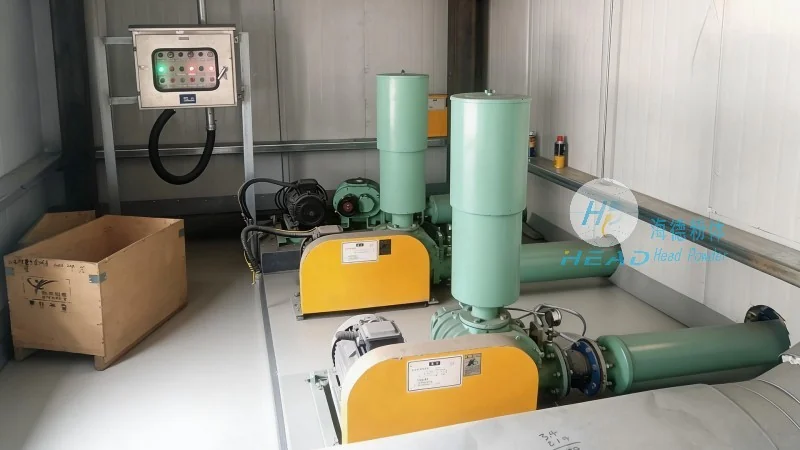
HeadPowder understands that no two industrial sites are identical. Therefore, the company offers customized dust air conveying systems that integrate seamlessly with existing infrastructure. This includes the selection of appropriate blower types (centrifugal, positive displacement), pipeline materials (stainless steel, carbon steel), and control systems to ensure optimal performance. The goal is to deliver a system that not only meets the current conveying needs but also accommodates future expansion or changes in operational parameters.
Conclusion: Choosing the Right Conveying Method for Dust Collection Ash
In conclusion, the selection of a dust collection ash conveying method depends on several factors, including the ash characteristics, distance, and operational requirements. Dust air conveying, with its closed system, flexibility, and efficiency, is a highly effective solution for many industrial applications. Companies like Shandong HeadPowder Engineering Co., Ltd. play a vital role in providing these advanced systems, ensuring that industrial processes can handle and transport dust collection ash safely and reliably. By leveraging the expertise of such providers, industries can enhance their operational efficiency and maintain compliance with environmental regulations.

 Công ty TNHH Kỹ thuật Công trình Bột Hải Đức Sơn Đông
 156-6277-7102(Quản lý Trương)
  0531-83386006
  Quận Chương Khâu, Thành phố Tế Nam, Tỉnh Sơn Đông, Trung Quốc
Điện thoại
WeChatTư vấn
Lên đầu