Công ty Hải Đức Bột với hơn 10 năm kinh nghiệm vận chuyển khí, cung cấp hệ thống‑thiết bị‑quạt gió và nhận dự án tổng thầu bột cả nước
The efficient and reliable transport of granular fertilizers is a critical aspect of modern agricultural operations. As agricultural practices evolve, the choice of conveying method significantly impacts productivity, cost-effectiveness, and environmental sustainability. This article provides a detailed comparison of common granular fertilizer conveying methods, highlighting their advantages, limitations, and applications, with a focus on the solutions offered by Shandong HeadPowder Engineering Co., Ltd.
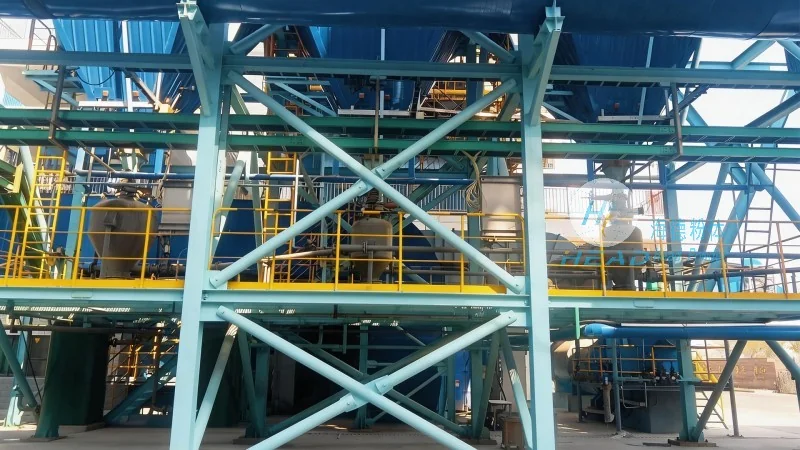
Screw Conveyors for Granular Fertilizers
Screw conveyors, also known as auger conveyors, are among the most widely used systems for transporting granular materials, including fertilizers. These devices consist of a rotating helical screw inside a tube or trough, which moves material from one point to another through the force of friction and gravity. For fertilizer applications, screw conveyors are particularly effective for handling dry, free-flowing granules with minimal dust generation. The design allows for vertical or inclined transport, making them suitable for elevating fertilizers to storage silos or processing units. However, their capacity is generally lower compared to other methods, and they may not be ideal for abrasive or sticky materials that could cause wear on the screw and housing. Shandong HeadPowder Engineering Co., Ltd. specializes in manufacturing high-quality screw conveyors tailored to the specific needs of fertilizer handling, ensuring durability and efficient operation.
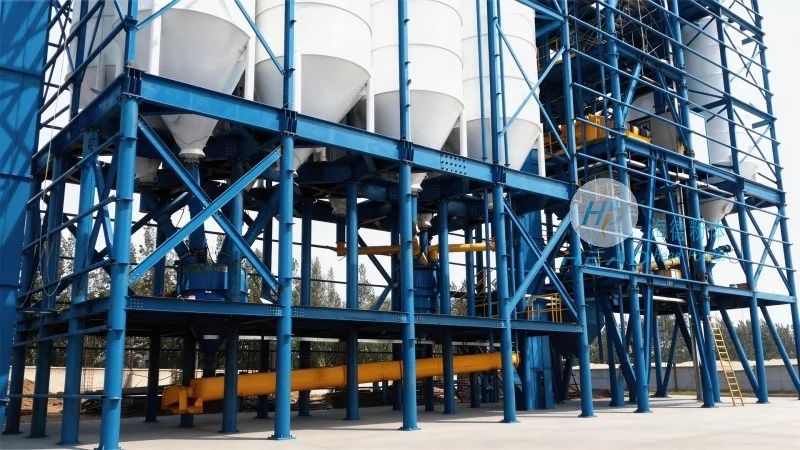
Pneumatic Conveying Systems
Pneumatic conveying systems use air or gas to transport granular fertilizers through a pipeline network. These systems can be categorized into two main types: pressure and vacuum. Pressure systems force air and material through the pipeline, while vacuum systems draw material into the pipeline using a vacuum pump. Pneumatic conveyors offer high flexibility, as they can transport materials over long distances and even around obstacles. They are also capable of handling a wide range of particle sizes and moisture contents. However, they require significant energy input to maintain air pressure or vacuum, and the system can be prone to blockages if the material is too fine or cohesive. For large-scale fertilizer operations, pneumatic conveying is often preferred for its ability to integrate with automated storage and distribution systems. HeadPowder provides advanced pneumatic conveying solutions that optimize energy efficiency and material flow.
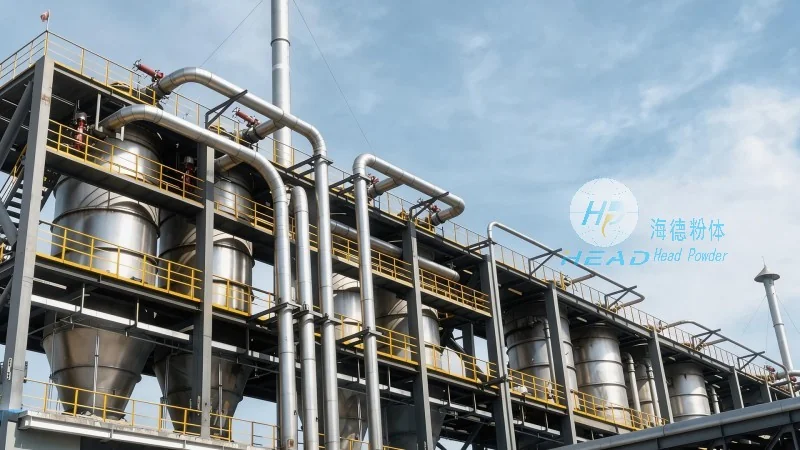
Belt Conveyors for Fertilizer Transport
Belt conveyors are another common method for transporting granular fertilizers, especially in bulk handling applications. These systems consist of a continuous belt that moves material along a fixed path, supported by rollers or idlers. Belt conveyors are highly effective for horizontal or slightly inclined transport over long distances, making them suitable for moving fertilizers from storage to processing facilities or for loading trucks and ships. They can handle large volumes of material with minimal maintenance, and the design allows for easy integration with other equipment, such as feeders and weighers. However, belt conveyors require a level or gently sloped surface and may not be suitable for vertical transport. Additionally, they can generate dust if the material is not properly sealed or if the belt is not well-maintained. Shandong HeadPowder Engineering Co., Ltd. offers robust belt conveyor systems designed to withstand the demands of fertilizer handling, ensuring reliable and efficient operation.
Comparison and Selection Considerations
When selecting a conveying method for granular fertilizers, several factors must be considered, including the type of fertilizer (e.g., nitrogen, phosphorus, potassium), particle size, moisture content, and the distance and elevation required for transport. Screw conveyors are ideal for short-distance, vertical transport of dry, free-flowing materials. Pneumatic systems excel in long-distance, flexible transport and are suitable for handling a wide range of materials, including those with higher moisture content. Belt conveyors are best for large-volume, horizontal transport over long distances. The choice also depends on the available space, energy costs, and maintenance requirements. Shandong HeadPowder Engineering Co., Ltd. provides comprehensive solutions, including custom-designed conveying systems that integrate multiple technologies to meet the specific needs of agricultural operations.
About Shandong HeadPowder Engineering Co., Ltd.
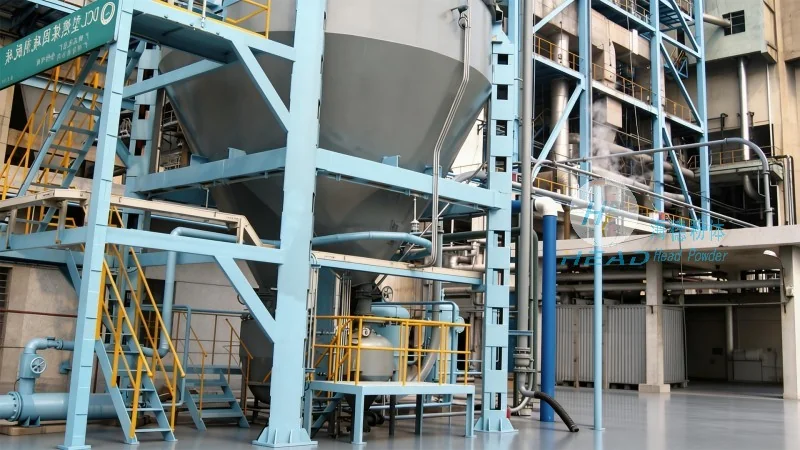
HeadPowder is a leading manufacturer of industrial conveying equipment, specializing in solutions for the fertilizer industry. With a focus on innovation and quality, the company has established itself as a trusted partner for agricultural operations worldwide. HeadPowder's products are designed to enhance efficiency, reduce operational costs, and ensure the safe and reliable transport of granular fertilizers. The company's headquarters is located in Shandong, China, and it serves clients across the globe with tailored solutions that meet their unique requirements.

 Công ty TNHH Kỹ thuật Công trình Bột Hải Đức Sơn Đông
 156-6277-7102(Quản lý Trương)
  0531-83386006
  Quận Chương Khâu, Thành phố Tế Nam, Tỉnh Sơn Đông, Trung Quốc
Điện thoại
WeChatTư vấn
Lên đầu