Công ty Hải Đức Bột với hơn 10 năm kinh nghiệm vận chuyển khí, cung cấp hệ thống‑thiết bị‑quạt gió và nhận dự án tổng thầu bột cả nước
Tailings and sludge are byproducts generated in various industrial processes, particularly in mining and wastewater treatment. Efficient and reliable transport of these materials is crucial for maintaining operational efficiency and environmental compliance. This article provides a detailed comparison of common transport methods used in the industry, focusing on their applications, advantages, and limitations.
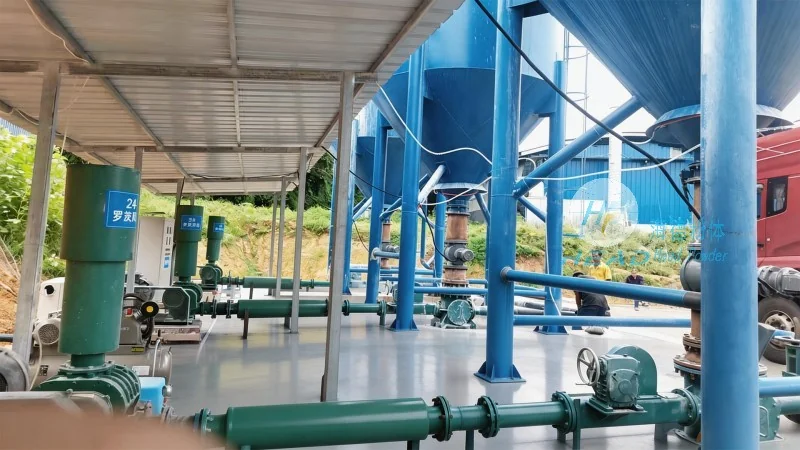
About Shandong HeadPowder Engineering Co., Ltd.
Shandong HeadPowder Engineering Co., Ltd., commonly known as headpowder, is a leading provider of engineering solutions for material handling and processing. With a strong presence in China, particularly in Shandong province, the company specializes in designing and implementing systems for transporting tailings and sludge. Their expertise lies in tailoring solutions to meet the specific needs of clients, ensuring optimal performance and safety.
Comparison of Common Transport Methods
Several methods are commonly employed for the transport of tailings and sludge, each with distinct characteristics suited to different operational requirements. The primary methods include pipeline transport, conveyor systems, and truck transport. Each method has its own set of advantages and considerations that influence its suitability for a particular project.
Pipeline Transport
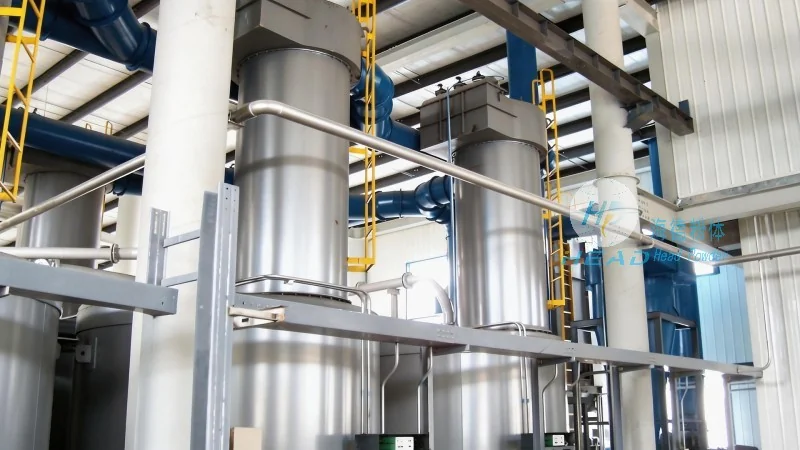
Pipeline transport is a widely used method for moving tailings and sludge over long distances. This method involves pumping the material through a series of pipes, often using high-pressure pumps to maintain flow. The primary advantages of pipeline transport include its ability to handle large volumes of material continuously, reduced labor costs, and lower environmental impact compared to other methods. However, it requires significant upfront investment in infrastructure and may be less flexible for changing operational needs. The system is typically designed to handle slurries with varying viscosities, making it adaptable to different tailings compositions.
Conveyor Systems
Conveyor systems, such as belt conveyors and screw conveyors, are another common option for transporting tailings and sludge. Belt conveyors are particularly effective for transporting dry or semi-dry materials over moderate distances, while screw conveyors are better suited for handling more viscous or sticky materials. These systems offer advantages like low maintenance costs and the ability to transport materials at a consistent rate. However, they may have limitations in terms of vertical lift capacity and the need for regular maintenance to prevent blockages. The choice between belt and screw conveyors often depends on the physical properties of the material being transported, such as its particle size and moisture content.
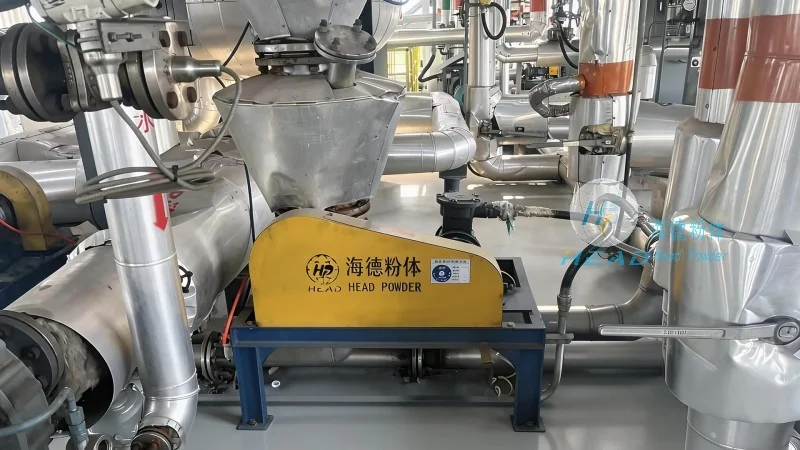
Truck Transport
Truck transport is a flexible method for moving tailings and sludge, especially for short to medium distances or when the material needs to be transported to a disposal site. This method involves loading the material into trucks and transporting it to the designated location. The primary advantages of truck transport include its flexibility and ability to access remote or difficult-to-reach areas. However, it may be less efficient for large volumes and can be affected by traffic conditions and weather. Additionally, it may have higher operational costs due to fuel consumption and driver expenses. Truck transport is often used as a supplementary method to complement other transport systems, such as pipelines or conveyors.
Factors Influencing the Choice of Transport Method
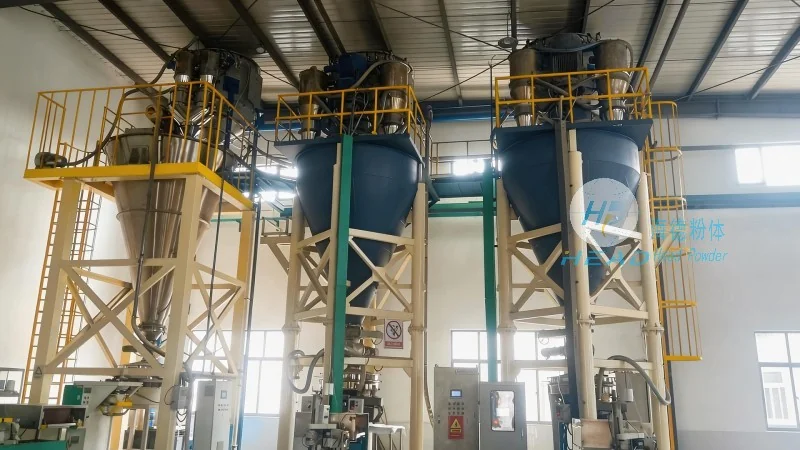
The selection of an appropriate transport method for tailings and sludge depends on several factors, including the volume and consistency of the material, the distance to be covered, the terrain, and the budget. The material's properties, such as particle size, moisture content, and viscosity, play a critical role in determining the most suitable method. For example, pipeline transport is ideal for high-volume, low-viscosity slurries over long distances, while conveyor systems are better for moderate volumes and varying material conditions. The terrain and site conditions also influence the choice, as some methods may be more suitable for flat or hilly areas. Cost considerations, including initial investment and operational expenses, are also important factors in the decision-making process. Companies often conduct feasibility studies to evaluate the pros and cons of each method before making a final decision.
Conclusion
Efficient transport of tailings and sludge is essential for the smooth operation of industrial processes and environmental management. The comparison of common transport methods—pipeline, conveyor, and truck transport—highlights the importance of selecting the right method based on specific project requirements. Shandong HeadPowder Engineering Co., Ltd. offers comprehensive solutions tailored to these needs, ensuring that clients can choose the most appropriate transport system for their operations. By understanding the advantages and limitations of each method, industries can optimize their material handling processes, enhance operational efficiency, and ensure compliance with environmental regulations.

 Công ty TNHH Kỹ thuật Công trình Bột Hải Đức Sơn Đông
 156-6277-7102(Quản lý Trương)
  0531-83386006
  Quận Chương Khâu, Thành phố Tế Nam, Tỉnh Sơn Đông, Trung Quốc
Điện thoại
WeChatTư vấn
Lên đầu