Công ty Hải Đức Bột với hơn 10 năm kinh nghiệm vận chuyển khí, cung cấp hệ thống‑thiết bị‑quạt gió và nhận dự án tổng thầu bột cả nước
Barite powder, a crucial industrial material widely used in drilling fluids, coating, and other applications, requires efficient and reliable conveying methods to ensure smooth production processes. The choice of conveying method significantly impacts operational efficiency, material handling costs, and overall system reliability. This article provides a detailed comparison of common barite powder conveying methods, focusing on their advantages, limitations, and suitability for different industrial scenarios. The information is presented by Shandong HeadPowder Engineering Co., Ltd., a leading provider of specialized powder handling solutions, based in China.
Overview of Barite Powder and Conveying Challenges
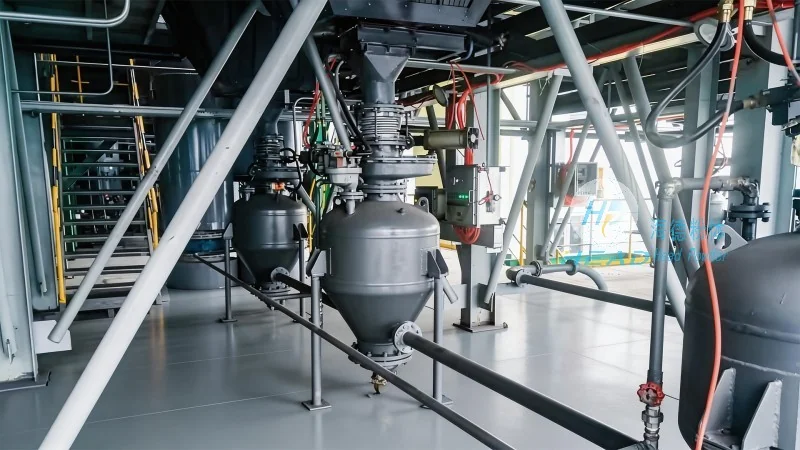
Barite powder, chemically known as barium sulfate (BaSO₄), is a heavy, fine-grained material with a high density and specific properties that make it essential in various industries. Its fine particle size and cohesive nature present unique challenges during transportation, as it can easily agglomerate, clog equipment, or cause dust issues if not handled properly. Effective conveying systems must address these challenges while maintaining material integrity and minimizing operational disruptions. The selection of an appropriate conveying method depends on factors such as the material's flowability, the required conveying distance, the system's scale, and the environmental regulations in the operating region.
1. Pneumatic Conveying Systems
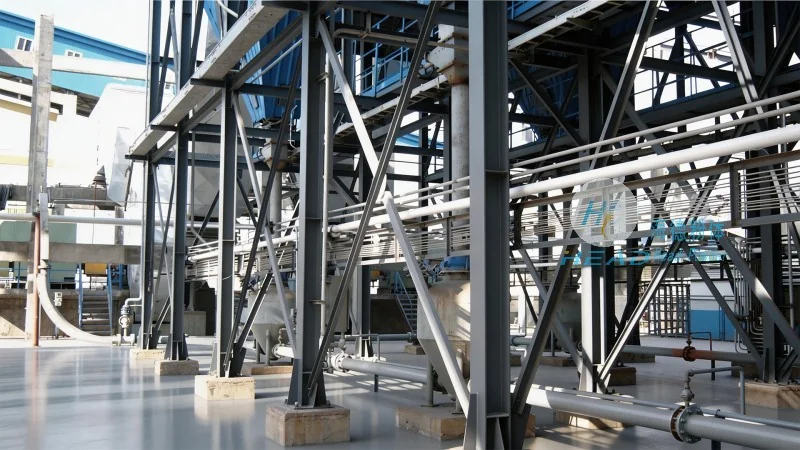
Pneumatic conveying is a widely used method for transporting barite powder due to its ability to handle fine powders over moderate distances. This technology utilizes air pressure to move the material through a pipeline. There are two main types: pressure and vacuum systems. Pressure systems are suitable for short to medium distances and can achieve higher conveying speeds, while vacuum systems are ideal for longer distances or when the material needs to be collected from multiple sources. The primary advantage of pneumatic conveying is its ability to transport barite powder without mechanical contact, reducing wear and tear on equipment. However, it has limitations, such as higher energy consumption, potential for material degradation if the air velocity is too high, and the need for proper filtration to prevent dust emissions. Shandong HeadPowder Engineering Co., Ltd. specializes in designing and manufacturing customized pneumatic conveying systems tailored to the specific requirements of barite powder handling, ensuring optimal performance and efficiency.
2. Screw Conveyors
Screw conveyors, also known as auger conveyors, are another common method for barite powder transportation. These systems use a rotating screw (auger) to move the material along a trough. Screw conveyors are particularly effective for horizontal or slightly inclined transport and are suitable for moderate to high volumes of material. They are relatively simple in design, low in maintenance, and can handle a wide range of particle sizes. The main advantage of screw conveyors is their ability to transport barite powder without the need for air or external power sources, making them energy-efficient and cost-effective for short to medium distances. However, they have limitations, including the risk of material bridging or clogging in the trough, especially with cohesive or fine powders like barite. Additionally, screw conveyors may not be suitable for long vertical lifts or high-temperature applications. Shandong HeadPowder Engineering Co., Ltd. offers robust screw conveyor solutions designed to minimize clogging and ensure consistent material flow, enhancing the reliability of barite powder handling operations.
3. Belt Conveyors
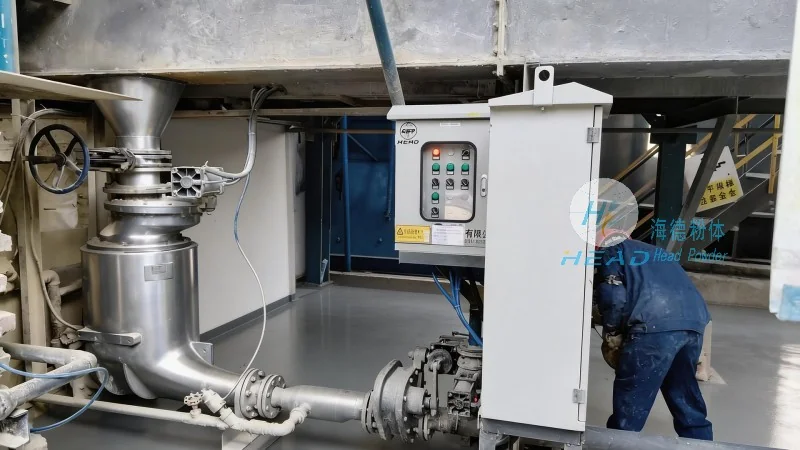
Belt conveyors are a popular choice for transporting barite powder over longer distances and at higher capacities. These systems use a continuous belt that moves the material along a series of rollers or idlers. Belt conveyors are ideal for horizontal or gently inclined transport and can handle large volumes of material efficiently. The primary advantage of belt conveyors is their high throughput and ability to transport barite powder over long distances with minimal energy consumption. They are also suitable for outdoor applications and can be integrated with other equipment, such as storage silos or processing units. However, belt conveyors have limitations, including the need for regular maintenance to prevent belt wear or damage, and the risk of material spillage or dust generation if not properly sealed. Shandong HeadPowder Engineering Co., Ltd. provides durable belt conveyor systems with advanced sealing and cleaning mechanisms to ensure safe and efficient barite powder transport, reducing operational downtime and maintenance costs.
4. Hydraulic Conveying
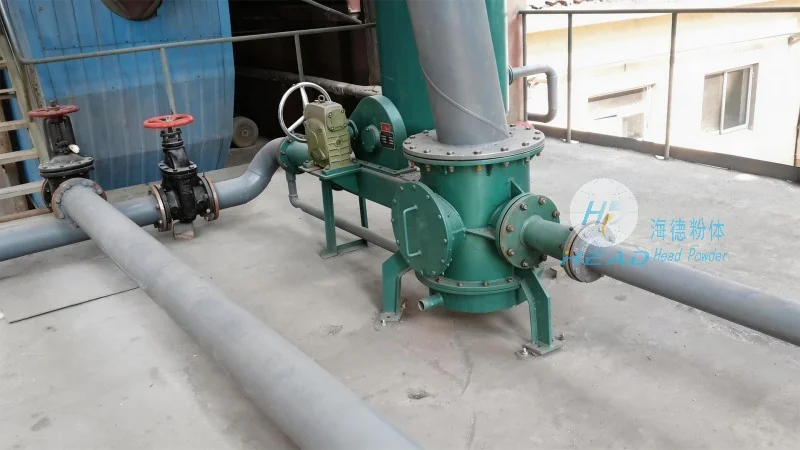
Hydraulic conveying is a less common but effective method for transporting barite powder, especially in applications where other methods are not feasible. This technology uses water or a slurry to transport the material through a pipeline. The barite powder is mixed with water to form a slurry, which is then pumped through the system. Hydraulic conveying is suitable for long distances and can handle large volumes of material, but it has significant limitations, such as higher water consumption, the need for proper disposal of the slurry, and potential environmental concerns. Additionally, the system requires specialized equipment and maintenance to prevent clogging and ensure efficient operation. Shandong HeadPowder Engineering Co., Ltd. may offer hydraulic conveying solutions for specific industrial applications where other methods are not suitable, providing customized designs to meet the unique requirements of barite powder handling.
5. Comparison and Selection Criteria
When selecting a barite powder conveying method, several factors must be considered to ensure the optimal choice for a specific application. The first factor is the conveying distance and required throughput. Pneumatic systems are suitable for short to medium distances, while belt conveyors are better for longer distances and higher volumes. Screw conveyors are ideal for moderate distances and lower to medium volumes. The second factor is the material's properties, such as flowability and cohesion. Cohesive or fine powders like barite may require specialized equipment, such as pneumatic systems with high air velocity or screw conveyors with anti-clogging features. The third factor is energy consumption and operational costs. Screw and belt conveyors are generally more energy-efficient than pneumatic systems, while hydraulic systems have higher water and maintenance costs. The fourth factor is environmental regulations and dust control. Pneumatic systems may require additional filtration to comply with emission standards, while belt and screw conveyors can be designed with sealed enclosures to minimize dust. Shandong HeadPowder Engineering Co., Ltd. recommends conducting a thorough analysis of these factors to select the most suitable conveying method for barite powder handling, ensuring efficient operation, cost-effectiveness, and compliance with environmental regulations.

 Công ty TNHH Kỹ thuật Công trình Bột Hải Đức Sơn Đông
 156-6277-7102(Quản lý Trương)
  0531-83386006
  Quận Chương Khâu, Thành phố Tế Nam, Tỉnh Sơn Đông, Trung Quốc
Điện thoại
WeChatTư vấn
Lên đầu