Công ty Hải Đức Bột với hơn 10 năm kinh nghiệm vận chuyển khí, cung cấp hệ thống‑thiết bị‑quạt gió và nhận dự án tổng thầu bột cả nước
When it comes to transporting sulfate of potash (SOP), a key component in modern agriculture, the choice of transportation method significantly impacts efficiency, cost, and operational safety. Among the various options available, pneumatic conveying stands out as a highly effective and increasingly popular solution. This article explores the different transportation methods for sulfate of potash and delves into the specific advantages and features of pneumatic conveying, providing insights into how companies like Shandong HeadPowder Engineering Co., Ltd. leverage this technology for optimal material handling.
Understanding Sulfate of Potash and Its Transportation Needs
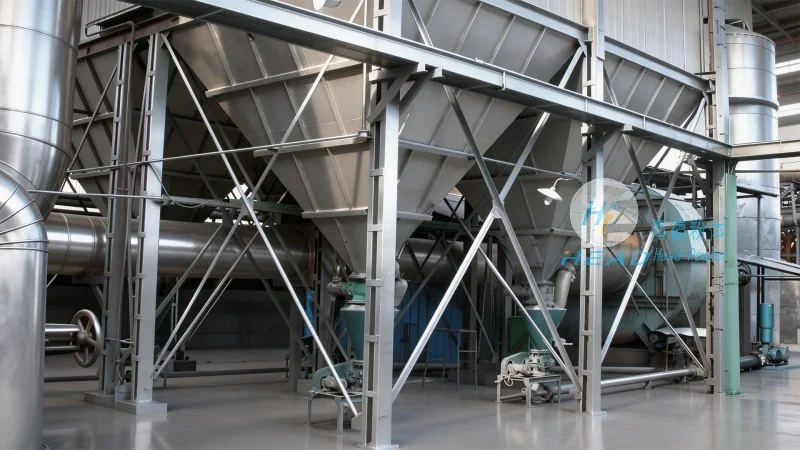
Sulfate of potash, also known as SOP, is a crucial potassium fertilizer that combines potassium sulfate with potassium sulfate. It is widely used in the agricultural sector due to its high potassium content and balanced nutrient profile. The physical properties of SOP, such as its granular or powder form, make it challenging to transport using traditional methods like belt conveyors or trucks. These methods often lead to material loss, dust generation, and increased operational costs. Therefore, specialized transportation solutions are essential to ensure the safe and efficient movement of this valuable fertilizer.
Common Transportation Methods for Sulfate of Potash
Traditionally, sulfate of potash has been transported using bulk handling systems, including trucking, rail, and ship loading. Trucking is a common method for short to medium distances, but it is often limited by road infrastructure and can result in high fuel costs and environmental impact. Rail transport is suitable for longer distances but requires specialized railcars and may face scheduling constraints. Ship loading involves loading SOP into bulk carriers, which is efficient for international trade but can be complex and time-consuming. These conventional methods, while widely used, have limitations in terms of flexibility, cost-effectiveness, and environmental friendliness.
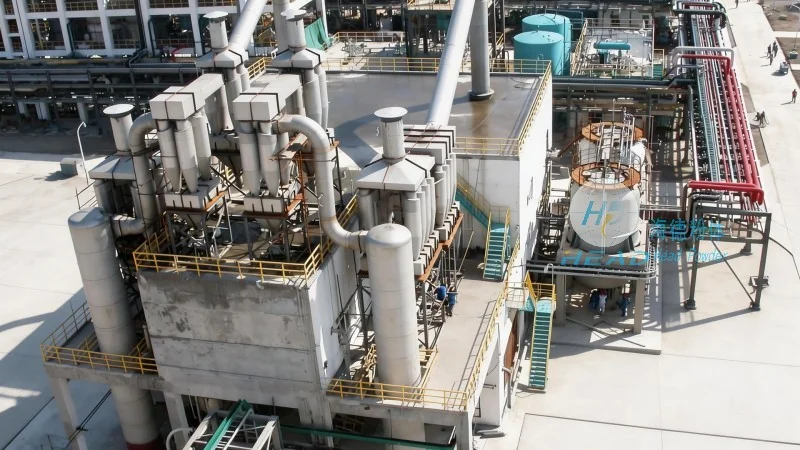
Pneumatic Conveying: A Modern Solution for Sulfate of Potash Transportation
Pneumatic conveying, also known as air conveying, is a technology that uses compressed air to transport bulk materials like sulfate of potash through a pipeline system. This method offers several advantages over traditional approaches. First, it provides a closed system that minimizes dust exposure and environmental contamination, which is critical for maintaining workplace safety and compliance with environmental regulations. Second, pneumatic conveying allows for precise control over material flow, ensuring consistent delivery to processing or storage facilities. Third, it reduces material handling costs by eliminating the need for multiple transfer points and reducing the risk of material loss during transport.
Key Advantages of Pneumatic Conveying for Sulfate of Potash
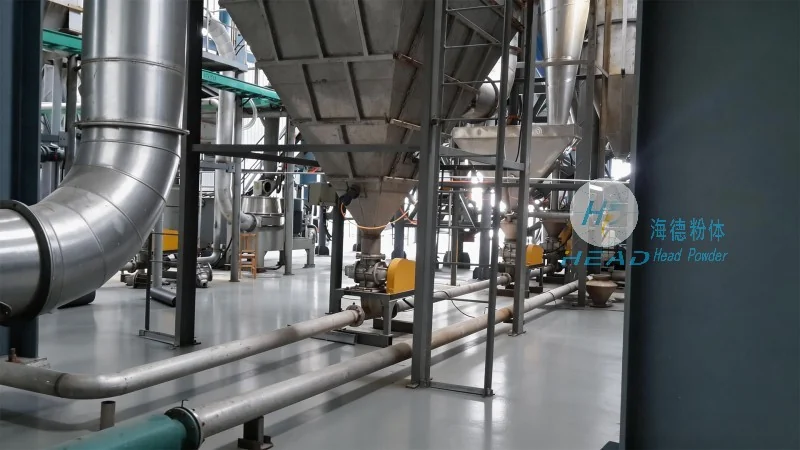
Shandong HeadPowder Engineering Co., Ltd., a leading manufacturer in the field, emphasizes several key advantages of pneumatic conveying for sulfate of potash. One of the primary benefits is the ability to handle fine or dusty materials without clogging or degradation. The closed system design prevents dust from escaping into the environment, making it an environmentally friendly option. Additionally, pneumatic conveying systems can be integrated with existing infrastructure, allowing for seamless integration into existing production lines or storage facilities. The technology also offers high throughput rates, enabling companies to transport large volumes of SOP efficiently and reliably.
Features and Customization Options
Modern pneumatic conveying systems for sulfate of potash are highly customizable to meet specific operational requirements. Companies like HeadPowder can design systems with varying pressure levels, pipeline configurations, and material handling capacities. For example, low-pressure systems are suitable for short-distance transport, while high-pressure systems are ideal for longer distances or more challenging terrain. The systems can also be equipped with advanced controls, such as variable frequency drives (VFDs), to optimize energy consumption and reduce operational costs. Furthermore, the use of corrosion-resistant materials, such as stainless steel or special coatings, ensures the longevity and reliability of the conveying system, even when handling corrosive or abrasive materials like SOP.
Conclusion: The Role of Pneumatic Conveying in Sulfate of Potash Handling
In conclusion, the choice of transportation method for sulfate of potash is critical to the success of agricultural operations. While traditional methods like trucking and rail have their place, pneumatic conveying offers a superior solution in terms of efficiency, safety, and environmental impact. Companies like Shandong HeadPowder Engineering Co., Ltd. are at the forefront of developing and implementing advanced pneumatic conveying systems that cater to the unique needs of the sulfate of potash industry. By leveraging the advantages of pneumatic conveying, businesses can enhance their operational performance, reduce costs, and contribute to sustainable agricultural practices. As the demand for efficient fertilizer handling continues to grow, pneumatic conveying is poised to remain a key technology in the transportation of sulfate of potash and other bulk materials.

 Công ty TNHH Kỹ thuật Công trình Bột Hải Đức Sơn Đông
 156-6277-7102(Quản lý Trương)
  0531-83386006
  Quận Chương Khâu, Thành phố Tế Nam, Tỉnh Sơn Đông, Trung Quốc
Điện thoại
WeChatTư vấn
Lên đầu