Công ty Hải Đức Bột với hơn 10 năm kinh nghiệm vận chuyển khí, cung cấp hệ thống‑thiết bị‑quạt gió và nhận dự án tổng thầu bột cả nước
When it comes to transporting potassium carbonate (K2CO3), also known as potash or pearl ash, selecting the right method is crucial for efficiency, cost-effectiveness, and safety. K2CO3 is widely used in various industries, including chemical manufacturing, food processing, and pharmaceuticals, making reliable and efficient transportation essential. This article explores the common transportation methods for K2CO3 and highlights the advantages of pneumatic conveying as a preferred solution.
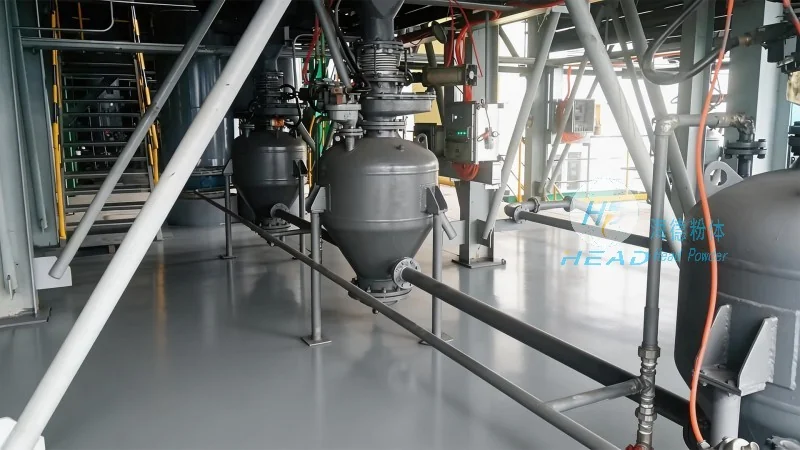
Common K2CO3 Transportation Methods
There are several traditional methods used for transporting bulk materials like K2CO3, including belt conveyors, screw conveyors, and bucket elevators. These methods are often effective for horizontal or slightly inclined transport over short to medium distances. However, they may face challenges with material handling, especially when dealing with fine powders or abrasive substances. Additionally, these systems require regular maintenance and can be less flexible in terms of layout changes.
Pneumatic Conveying: A Superior Solution for K2CO3
Pneumatic conveying, also known as air conveying, is a technology that uses compressed air to transport bulk materials through a pipeline system. For K2CO3, this method offers several key advantages over traditional mechanical systems. First, it provides a dust-free and enclosed environment, which is critical for maintaining product quality and safety, especially in food and pharmaceutical applications. The enclosed system also helps in controlling dust emissions, reducing environmental impact and ensuring compliance with industrial regulations.
Second, pneumatic conveying systems are highly flexible and can be easily adapted to complex layouts, including vertical and horizontal transport over long distances. This flexibility allows for integration into existing production lines without major structural modifications. The system can also handle varying material flow rates and can be scaled up or down based on production needs, making it a versatile solution for different operational requirements.
Third, the use of pneumatic conveying reduces the need for manual handling and labor-intensive operations, leading to improved operational efficiency and lower labor costs. The automated nature of the system minimizes human error and ensures consistent material flow, which is vital for maintaining production continuity. Furthermore, the enclosed pipeline design prevents material contamination from external sources, preserving the purity of K2CO3, which is essential for its end-use applications.
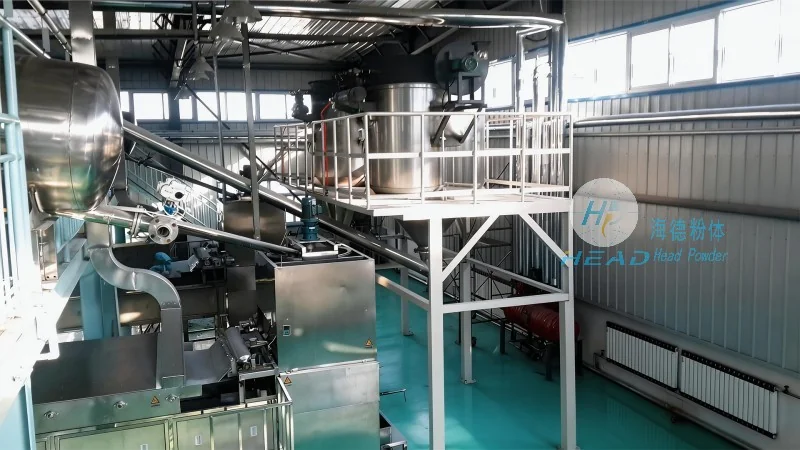
Key Features of Pneumatic Conveying for K2CO3
When considering pneumatic conveying for K2CO3, several features contribute to its effectiveness. The system typically includes components such as a blower or compressor to generate the necessary air pressure, a hopper or feeder to introduce the material into the pipeline, and a receiver or silo to collect the material at the destination. The design of these components is critical for ensuring smooth and continuous operation. For K2CO3, which is a fine powder with specific flow characteristics, specialized feeders like rotary valves or star feeders are often used to maintain consistent material feed rates and prevent blockages.
Another important feature is the ability to control the air flow and pressure within the system. This allows operators to adjust the conveying velocity and pressure to match the material's properties and the required distance. Proper control of these parameters ensures that the material is conveyed efficiently without excessive energy consumption or damage to the system components. The system also includes filters and cyclones to separate the material from the air, preventing dust accumulation and maintaining the cleanliness of the air stream.
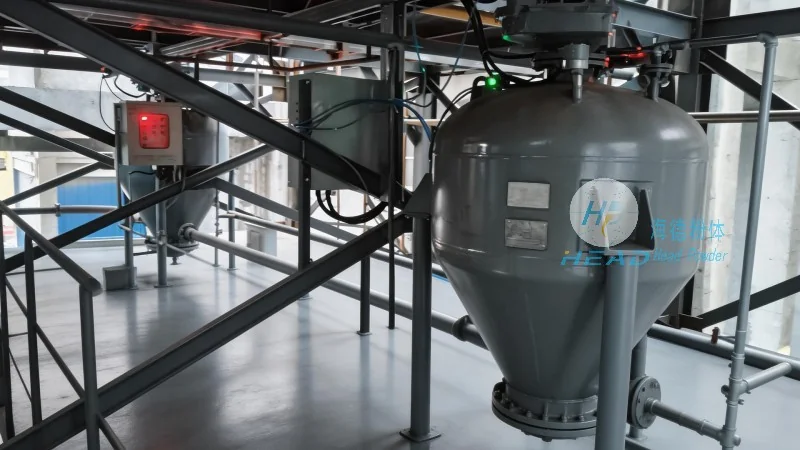
HeadPowder Engineering: Expertise in K2CO3 Pneumatic Conveying Systems
Shandong HeadPowder Engineering Co., Ltd., a leading provider of bulk material handling solutions, specializes in designing and implementing pneumatic conveying systems tailored to the needs of K2CO3 applications. With years of experience in the industry, HeadPowder has developed a deep understanding of the unique challenges associated with transporting fine powders like K2CO3. The company's expertise lies in creating customized systems that optimize material flow, minimize downtime, and enhance overall operational efficiency.
HeadPowder's approach to K2CO3 pneumatic conveying involves a comprehensive evaluation of the client's specific requirements, including the material's characteristics, production volume, and facility layout. Based on this assessment, the company designs a system that incorporates the latest technology and best practices in the field. The systems are built to meet or exceed industry standards for safety, reliability, and performance, ensuring that they provide long-term value to the client.
HeadPowder's team of engineers and technicians work closely with clients to understand their operational needs and provide tailored solutions. The company offers a range of services, from system design and installation to maintenance and support, ensuring that clients have a reliable partner throughout the entire lifecycle of their conveying system. By leveraging their expertise and experience, HeadPowder helps clients achieve efficient and cost-effective K2CO3 transportation, supporting their overall business objectives.
Conclusion: Choosing the Right K2CO3 Transportation Method
In conclusion, while traditional mechanical methods can be used for K2CO3 transportation, pneumatic conveying offers significant advantages in terms of efficiency, safety, and flexibility. The enclosed system ensures product quality and safety, while the flexibility allows for integration into complex layouts. With the expertise of companies like Shandong HeadPowder Engineering Co., Ltd., businesses can implement effective pneumatic conveying systems that meet their specific needs and support their operational goals. By selecting the right transportation method, companies can enhance their productivity, reduce costs, and maintain the high standards required for K2CO3 applications.

 Công ty TNHH Kỹ thuật Công trình Bột Hải Đức Sơn Đông
 156-6277-7102(Quản lý Trương)
  0531-83386006
  Quận Chương Khâu, Thành phố Tế Nam, Tỉnh Sơn Đông, Trung Quốc
Điện thoại
WeChatTư vấn
Lên đầu