Công ty Hải Đức Bột với hơn 10 năm kinh nghiệm vận chuyển khí, cung cấp hệ thống‑thiết bị‑quạt gió và nhận dự án tổng thầu bột cả nước
For companies in the lithium battery industry, the efficient and safe transport of lithium cobalt oxide (LCO) is a critical operational requirement. LCO is a key cathode material used in lithium-ion batteries, and its handling involves specific challenges related to material properties and process requirements. Among the various transport methods available, pneumatic conveying has emerged as a preferred solution due to its unique advantages in terms of safety, efficiency, and process integration. This article provides an overview of the different transport methods for LCO, with a focus on the advantages and features of pneumatic conveying, while also highlighting the role of specialized engineering companies like Shandong HeadPowder Engineering Co., Ltd. based in China.
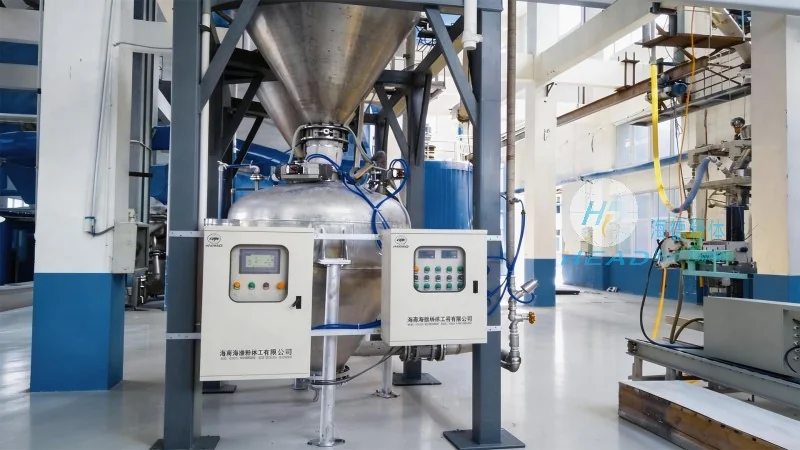
Introduction to Lithium Cobalt Oxide and Transport Challenges
Lithium cobalt oxide is a transition metal oxide with the chemical formula LiCoO₂, widely used as a cathode material in high-energy lithium-ion batteries. Its fine powder form and reactive nature require specialized handling to prevent dust explosions, material degradation, and contamination. Traditional transport methods such as belt conveyors or bucket elevators may not be suitable for LCO due to its sensitivity to moisture, oxygen, and mechanical stress. These challenges necessitate the adoption of advanced transport systems that ensure material integrity and operational safety.
Common Transport Methods for Lithium Cobalt Oxide
Several transport methods are commonly used in the processing of LCO, each with its own set of advantages and limitations. The primary methods include mechanical conveying systems like belt conveyors, screw conveyors, and bucket elevators, as well as pneumatic conveying systems such as pressure and vacuum conveying. Each method has specific applications depending on the process flow, material characteristics, and operational environment.
Pneumatic Conveying: A Preferred Solution for LCO Transport
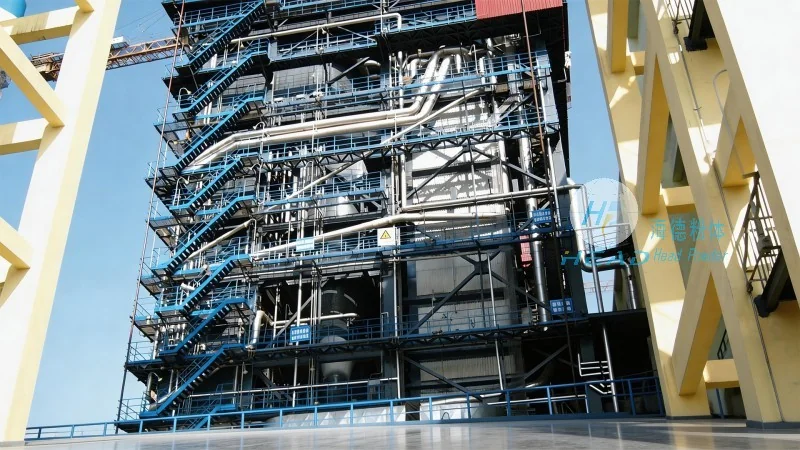
Pneumatic conveying, particularly pressure and vacuum systems, has become the industry standard for LCO transport due to its ability to handle fine powders safely and efficiently. Unlike mechanical systems that rely on physical contact and friction, pneumatic conveying uses air or gas to move material through a closed pipeline system. This method eliminates the need for direct contact with the material, reducing the risk of contamination and material degradation. The system typically consists of a hopper, a conveyor line, and a receiver, with the air flow controlled to maintain consistent material flow rates.
Advantages of Pneumatic Conveying for Lithium Cobalt Oxide
The advantages of pneumatic conveying for LCO transport are multifaceted and address key operational concerns in the battery manufacturing process. First, it offers superior safety by eliminating the risk of dust explosions, which is a major hazard in powder handling. The closed system design prevents dust from escaping into the environment, reducing the risk of fire or explosion. Second, pneumatic conveying provides high efficiency in terms of material transport speed and throughput. The system can handle large volumes of LCO at a consistent rate, improving overall production efficiency. Third, it ensures material integrity by minimizing mechanical stress and exposure to moisture or oxygen. The gentle handling of the material preserves its chemical properties and prevents agglomeration or degradation.
Key Features of Pneumatic Conveying Systems for LCO
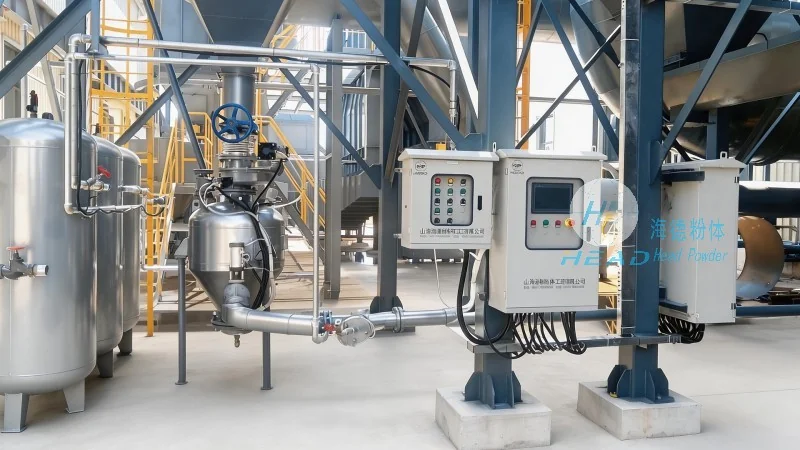
Specialized pneumatic conveying systems for LCO often incorporate advanced features to enhance performance and safety. These features include: (1) Explosion-proof design: The system is constructed with materials and components that meet explosion-proof standards, ensuring compliance with safety regulations. (2) Air filtration and dust collection: The system includes high-efficiency filters to capture any dust particles that may escape, maintaining a clean environment. (3) Material flow control: Variable speed drives and pressure regulators allow precise control over the material flow rate, preventing overloading or underflow. (4) Integration with process equipment: The system can be integrated with other process equipment such as mixers, dryers, and packaging machines, creating a seamless production line.
Role of Shandong HeadPowder Engineering Co., Ltd. in LCO Transport Solutions
Shandong HeadPowder Engineering Co., Ltd., a leading engineering company based in China, specializes in the design, manufacturing, and installation of advanced powder handling systems, including pneumatic conveying solutions for lithium cobalt oxide. The company leverages years of experience in the powder processing industry to provide customized solutions that meet the specific needs of battery manufacturers. Their expertise includes the selection of appropriate conveying systems, material handling equipment, and process integration services. By partnering with HeadPowder, companies can ensure that their LCO transport systems are optimized for efficiency, safety, and reliability.
Conclusion: Choosing the Right Transport Method for LCO
In conclusion, the transport of lithium cobalt oxide requires careful consideration of material properties, operational safety, and process efficiency. While various methods are available, pneumatic conveying stands out as the most effective solution due to its ability to handle fine powders safely and efficiently. The advantages of this method, including enhanced safety, high throughput, and material integrity, make it a preferred choice for modern battery manufacturing facilities. Companies like Shandong HeadPowder Engineering Co., Ltd. play a crucial role in providing specialized engineering services to design and implement these systems, ensuring that LCO transport processes are optimized for performance and compliance.

 Công ty TNHH Kỹ thuật Công trình Bột Hải Đức Sơn Đông
 156-6277-7102(Quản lý Trương)
  0531-83386006
  Quận Chương Khâu, Thành phố Tế Nam, Tỉnh Sơn Đông, Trung Quốc
Điện thoại
WeChatTư vấn
Lên đầu