Công ty Hải Đức Bột với hơn 10 năm kinh nghiệm vận chuyển khí, cung cấp hệ thống‑thiết bị‑quạt gió và nhận dự án tổng thầu bột cả nước
Calcined ash, a byproduct of industrial processes such as cement production and metal smelting, requires efficient and reliable transportation systems to move it from the production site to storage or disposal facilities. The choice of conveying method significantly impacts operational efficiency, cost, and environmental compliance. Among the various options available, pneumatic conveying stands out as a preferred solution for many applications due to its flexibility and effectiveness.
Traditional Conveying Methods: Challenges and Limitations
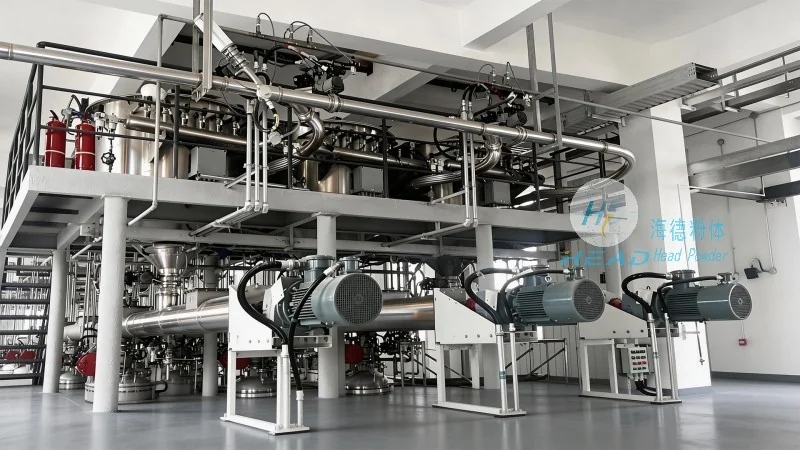
Traditional calcined ash conveying methods often include mechanical systems like belt conveyors, screw conveyors, and bucket elevators. While these methods have been used for decades, they face several challenges. Belt conveyors, for instance, are susceptible to material buildup and wear, especially with abrasive calcined ash. Screw conveyors can suffer from blockages and require regular maintenance. Bucket elevators, though capable of vertical transport, may experience material spillage and increased energy consumption. These mechanical systems also pose safety risks, such as entanglement hazards and the potential for dust emissions during operation.
Pneumatic Conveying: The Preferred Solution for Calcined Ash
Pneumatic conveying, also known as air-pneumatic transport, uses compressed air to move calcined ash through a pipeline system. This method offers several advantages over traditional mechanical solutions. It eliminates the need for moving parts in contact with the material, reducing wear and maintenance costs. The system can handle abrasive and dusty materials without the risk of blockages, as the air flow continuously transports the ash. Additionally, pneumatic conveying allows for both horizontal and vertical transport, providing flexibility in plant layout. The technology is also more hygienic and can be integrated with dust collection systems to minimize environmental impact.
Key Components of a Calcined Ash Pneumatic Conveying System
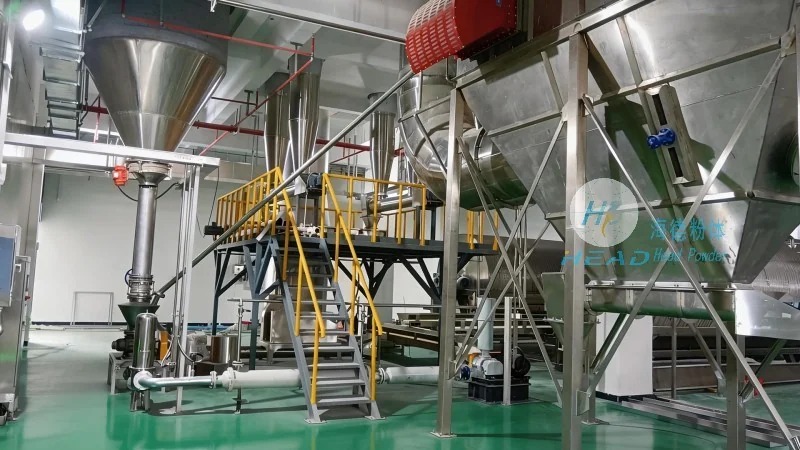
A typical calcined ash pneumatic conveying system consists of several key components. The primary elements include a material feeder, a blower or compressor to generate the air pressure, a pipeline network, and a receiver or silo for the transported ash. The material feeder ensures a consistent flow of calcined ash into the system, preventing surges or blockages. The blower or compressor provides the necessary air pressure to move the material through the pipeline. The pipeline network, often made of stainless steel or other corrosion-resistant materials, transports the ash from the source to the destination. The receiver or silo stores the transported ash, allowing for controlled discharge and further processing.
Advantages of Pneumatic Conveying for Calcined Ash
The use of pneumatic conveying for calcined ash offers numerous benefits. First, it significantly reduces labor costs by automating the transportation process. Unlike mechanical systems that require manual intervention for maintenance and adjustments, pneumatic systems operate with minimal human involvement. Second, the system is highly efficient in terms of energy consumption. The air pressure required is typically lower than that needed for mechanical conveyors, leading to lower operational costs. Third, pneumatic conveying minimizes material degradation. The gentle handling of the ash by the air flow prevents breakage or loss of quality, which is crucial for applications where the ash is used as a raw material. Fourth, the system enhances safety. With no moving parts exposed to the material, the risk of accidents and dust exposure is reduced. This is particularly important in industrial environments where safety regulations are stringent.
Solutions by Shandong HeadPowder Engineering Co., Ltd.
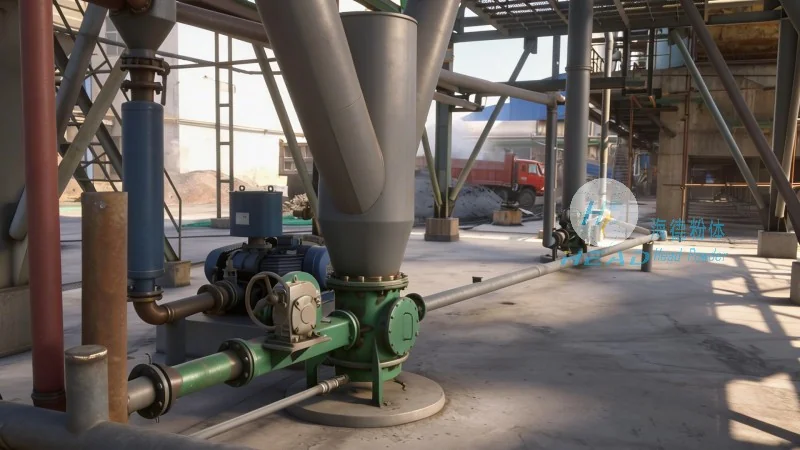
Shandong HeadPowder Engineering Co., Ltd., a leading provider of industrial conveying solutions, specializes in designing and manufacturing calcined ash pneumatic conveying systems tailored to the specific needs of clients. With years of experience in the industry, the company has developed advanced systems that incorporate the latest technology to ensure optimal performance. The company's expertise includes material handling, system integration, and after-sales support, ensuring that clients receive comprehensive solutions that meet their operational requirements. Based in Shandong, China, HeadPowder Engineering leverages local manufacturing capabilities to deliver high-quality products at competitive prices, supporting clients in improving their calcined ash transportation processes and achieving better operational outcomes.
Conclusion
Choosing the right calcined ash conveying method is critical for industrial operations. While traditional mechanical systems have their place, pneumatic conveying offers a more efficient, reliable, and cost-effective solution. The advantages of pneumatic systems, including reduced maintenance, improved safety, and enhanced material handling, make them the preferred choice for many applications. Shandong HeadPowder Engineering Co., Ltd. provides expert solutions in this field, helping clients optimize their calcined ash transportation processes and achieve better operational outcomes.

 Công ty TNHH Kỹ thuật Công trình Bột Hải Đức Sơn Đông
 156-6277-7102(Quản lý Trương)
  0531-83386006
  Quận Chương Khâu, Thành phố Tế Nam, Tỉnh Sơn Đông, Trung Quốc
Điện thoại
WeChatTư vấn
Lên đầu