Công ty Hải Đức Bột với hơn 10 năm kinh nghiệm vận chuyển khí, cung cấp hệ thống‑thiết bị‑quạt gió và nhận dự án tổng thầu bột cả nước
Heavy calcium powder, a widely used industrial material, requires efficient and reliable conveying systems to ensure smooth production processes. The choice of conveying method significantly impacts operational efficiency, material quality, and overall cost-effectiveness. This article explores common heavy calcium powder conveying methods, with a focus on pneumatic conveying as a key solution.
Pneumatic Conveying: A Comprehensive Overview
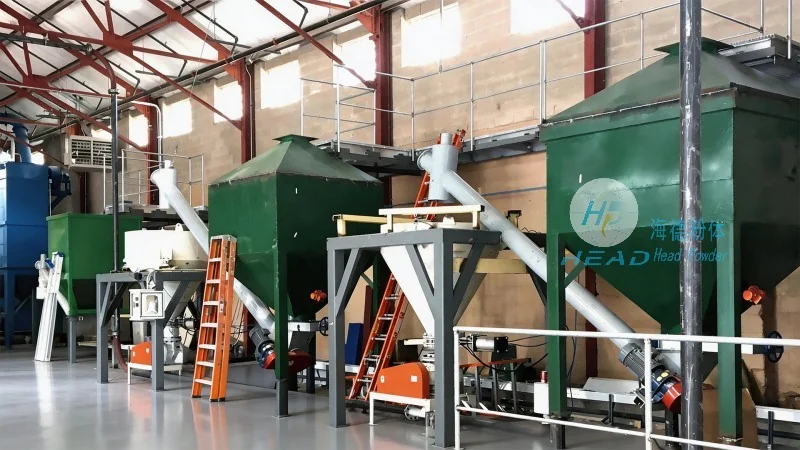
Pneumatic conveying, also known as air conveying, is a popular method for transporting heavy calcium powder due to its ability to handle fine powders and minimize material degradation. This technique utilizes air pressure or vacuum to move powder through a pipeline system. The process involves several components, including a hopper, feeder, and conveying line, which work together to ensure consistent and controlled material flow. Pneumatic conveying systems are particularly effective for heavy calcium powder because they can handle high volumes while maintaining low maintenance costs and energy efficiency. The technology is widely adopted in industries such as construction, plastics, and coatings, where the quality of the powder is critical.
Key Advantages of Pneumatic Conveying for Heavy Calcium Powder
One of the primary advantages of pneumatic conveying is its ability to transport heavy calcium powder over long distances without the need for mechanical components like belts or screws. This reduces the risk of material contamination and degradation, which is crucial for maintaining the powder's quality. Additionally, pneumatic systems are flexible and can be easily integrated into existing production lines, allowing for seamless upgrades or modifications. Another significant benefit is the reduced labor costs associated with manual handling, as the system automates the entire conveying process. The technology also offers better safety features compared to traditional methods, as it eliminates the need for manual loading and unloading of heavy materials.
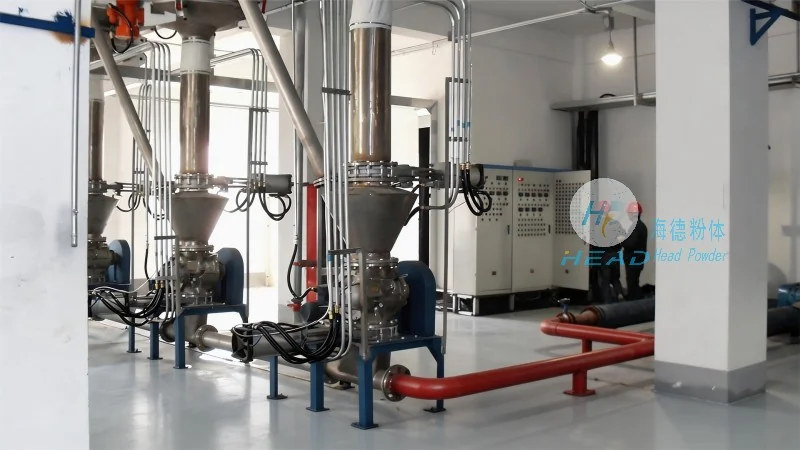
Components and Operation of Pneumatic Conveying Systems
A typical pneumatic conveying system for heavy calcium powder consists of several key components. The hopper serves as the storage container, holding the powder before it is fed into the system. The feeder, often a rotary valve or a screw feeder, controls the flow rate of the powder into the conveying line. The conveying line itself is made of durable materials, such as stainless steel or plastic, to withstand the abrasive nature of heavy calcium powder. The system may use positive pressure (where air is forced into the line) or negative pressure (where air is drawn out), depending on the application and distance requirements. The operation involves creating a pressure differential that propels the powder through the line, ensuring a consistent and continuous flow. Regular maintenance, such as cleaning the hopper and checking for air leaks, is essential to maintain the system's efficiency and longevity.
Applications and Industries Using Pneumatic Conveying for Heavy Calcium Powder
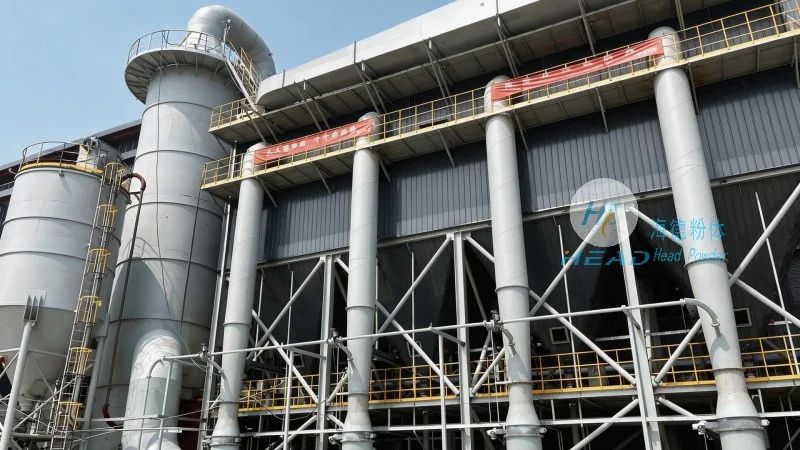
Pneumatic conveying is widely used in various industries that rely on heavy calcium powder. In the construction industry, it is used to transport powder for concrete and mortar production, ensuring uniform mixing and quality. The plastics industry utilizes pneumatic systems to convey heavy calcium powder for use in polymer compounds, enhancing the material's strength and durability. The coatings industry also benefits from this technology, as it allows for precise application of heavy calcium powder in paint formulations. Additionally, the pharmaceutical and food processing industries may use modified pneumatic systems to handle heavy calcium powder, adhering to strict hygiene and safety standards. The versatility of pneumatic conveying makes it suitable for a wide range of applications, from small-scale production to large industrial operations.
Choosing the Right Pneumatic Conveying System for Heavy Calcium Powder
When selecting a pneumatic conveying system for heavy calcium powder, several factors must be considered. The first is the volume of material to be transported, as this determines the size and capacity of the system. The distance between the source and destination is another critical factor, as it influences the choice between positive and negative pressure systems. The properties of the heavy calcium powder, such as its particle size and moisture content, also play a role in system design. For example, finer powders may require higher air velocities to prevent clogging. Additionally, the budget and available space for installation are important considerations. Consulting with a professional, such as Shandong HeadPowder Engineering Co., Ltd., can help in selecting the most suitable system based on specific operational needs. The company specializes in designing and manufacturing custom pneumatic conveying solutions tailored to the unique requirements of each client.

 Công ty TNHH Kỹ thuật Công trình Bột Hải Đức Sơn Đông
 156-6277-7102(Quản lý Trương)
  0531-83386006
  Quận Chương Khâu, Thành phố Tế Nam, Tỉnh Sơn Đông, Trung Quốc
Điện thoại
WeChatTư vấn
Lên đầu