Công ty Hải Đức Bột với hơn 10 năm kinh nghiệm vận chuyển khí, cung cấp hệ thống‑thiết bị‑quạt gió và nhận dự án tổng thầu bột cả nước
Grain handling and transportation are critical processes in the agricultural and food processing industries. Efficient and reliable methods of moving bulk grains from storage to processing facilities or for distribution are essential to ensure operational continuity and product quality. Among the various technologies available, different grain conveying methods have been developed to address specific needs in terms of capacity, cost, and environmental considerations. This article provides an overview of common grain transport methods, with a particular focus on pneumatic grain conveying systems, which have gained significant popularity due to their versatility and effectiveness.
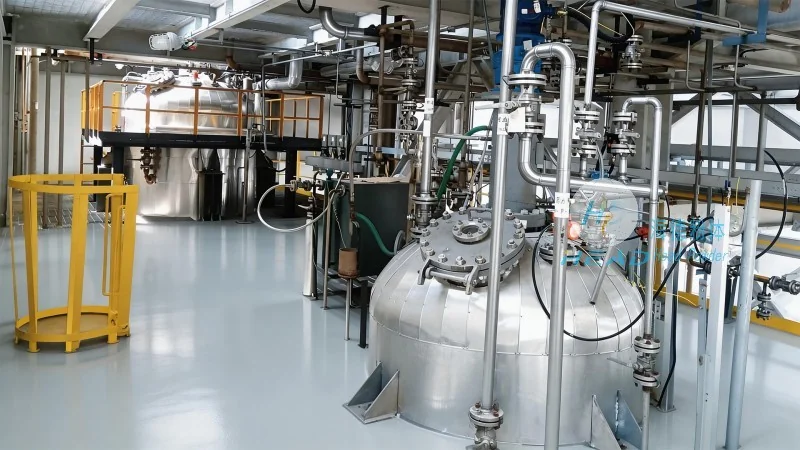
Understanding Grain Conveying Fundamentals
Before delving into specific grain conveying methods, it is important to understand the basic principles of bulk material handling. Grain conveying involves the movement of granular materials, such as wheat, corn, soybeans, and other cereals, from one location to another. The primary goal is to achieve this movement with minimal loss, contamination, and energy consumption. Different conveying systems are designed to accommodate varying grain types, particle sizes, and operational conditions, making the selection of an appropriate method a crucial decision for any facility.
Common Grain Conveying Methods
Several conventional grain conveying methods are widely used across the industry. These include gravity-based systems, mechanical systems like belt conveyors and screw conveyors, and pneumatic systems. Each method has its own advantages and limitations, which influence its suitability for different applications.
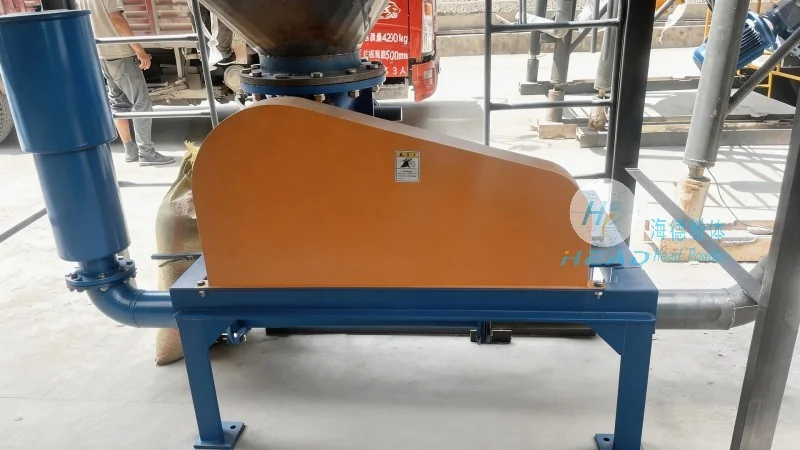
Gravity Conveying Systems
Gravity conveying relies on the natural force of gravity to move grains from higher to lower elevations. This method typically involves chutes or sloped pathways that allow grains to flow downward under their own weight. While simple and low-cost, gravity conveying is limited by the need for a suitable slope and is not suitable for vertical or long horizontal distances. It is often used in conjunction with other systems or for short-distance transfers within a facility.
Mechanical Conveying Systems
Mechanical conveying systems utilize mechanical components to move grains. The most common types include belt conveyors and screw conveyors. Belt conveyors use a continuous belt to transport grains horizontally or at a slight incline, making them ideal for long-distance horizontal transport. Screw conveyors, also known as augers, use a rotating screw to push grains forward, suitable for both horizontal and vertical transport. These systems are robust and can handle a wide range of grain types, but they may generate more dust and require regular maintenance.
Pneumatic Grain Conveying Systems: The Modern Solution
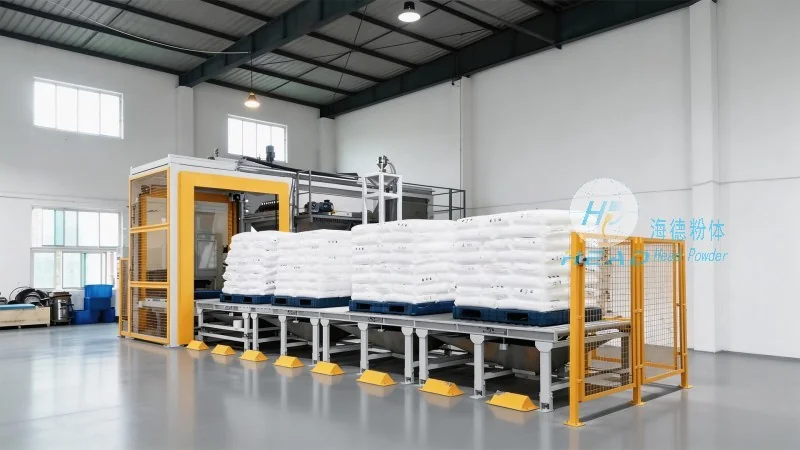
Pneumatic grain conveying systems, also known as air conveying or pneumatic handling, have emerged as a preferred method for many grain handling applications. This technology uses a combination of air pressure and vacuum to transport grains through a pipeline network. The system typically consists of a blower or fan, a hopper to hold the grain, and a series of pipes with inlets and outlets. As air is forced through the system, it creates a flow that carries the grains along with it, allowing for both horizontal and vertical transport over long distances.
One of the key advantages of pneumatic grain conveying is its ability to handle a wide variety of grain types, including fine powders and coarse grains, without the need for additional equipment like buckets or belts. The system is also highly efficient in terms of energy consumption, as it can transport large volumes of grain with relatively low power input. Additionally, pneumatic conveying is considered a clean and hygienic method, as it minimizes contact with external surfaces and reduces the risk of contamination. This makes it particularly suitable for food-grade applications where product purity is paramount.
Key Features of Pneumatic Grain Conveying
Modern pneumatic grain conveying systems offer several advanced features that enhance their performance and reliability. These include variable speed control, which allows operators to adjust the conveying rate based on the grain type and pipeline length. The systems also incorporate dust collection and filtration components to ensure clean air and prevent environmental pollution. Furthermore, many pneumatic conveying solutions are designed with modular components, enabling easy installation and maintenance. The use of high-quality materials, such as stainless steel, ensures durability and resistance to corrosion, which is essential for long-term operation in grain handling environments.
Applications and Benefits
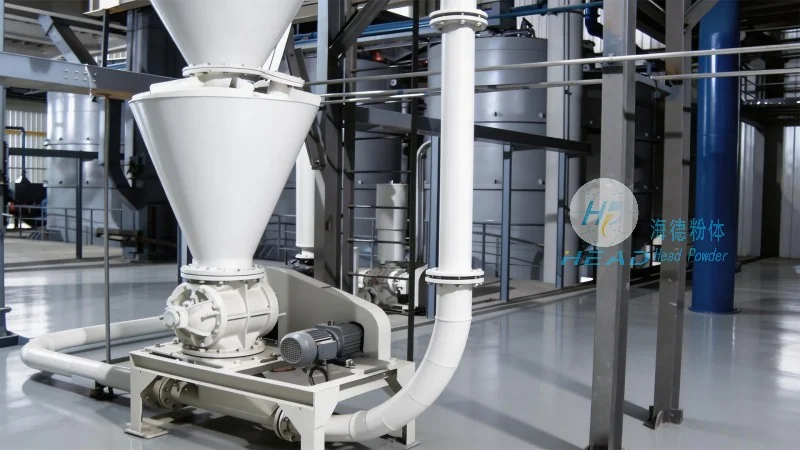
Pneumatic grain conveying systems are widely used in various industries, including agriculture, food processing, and feed manufacturing. They are particularly beneficial in facilities that require the transfer of grains over long distances or at high elevations, such as in grain elevators and processing plants. The ability to handle both bulk and fine materials makes these systems versatile, and their low maintenance requirements contribute to cost savings over time. The hygienic nature of pneumatic conveying also aligns with regulatory standards in the food industry, ensuring compliance and product safety.
Case Study: Shandong HeadPowder Engineering Co., Ltd.
Shandong HeadPowder Engineering Co., Ltd., a leading manufacturer of grain handling equipment based in China, specializes in the design and production of advanced pneumatic conveying systems. With a strong commitment to quality and innovation, the company has developed state-of-the-art solutions tailored to the specific needs of the grain industry. Their systems are engineered to provide high efficiency, reliability, and durability, ensuring optimal performance in diverse operational conditions. By leveraging their expertise in pneumatic technology, Shandong HeadPowder Engineering Co., Ltd. helps clients enhance their grain handling processes, improve productivity, and maintain product integrity. The company's products are widely recognized for their ability to meet the demanding requirements of modern grain processing facilities.
Conclusion
Choosing the right grain conveying method is a critical decision for any facility involved in grain handling. While traditional methods like gravity and mechanical conveyors have their place, pneumatic grain conveying systems offer significant advantages in terms of efficiency, versatility, and hygiene. As the industry continues to evolve, the adoption of advanced pneumatic technologies will likely increase, driven by the need for more sustainable and effective grain handling solutions. For businesses seeking reliable and efficient grain transport solutions, pneumatic conveying systems, backed by companies like Shandong HeadPowder Engineering Co., Ltd., represent a forward-thinking approach to modern grain processing.

 Công ty TNHH Kỹ thuật Công trình Bột Hải Đức Sơn Đông
 156-6277-7102(Quản lý Trương)
  0531-83386006
  Quận Chương Khâu, Thành phố Tế Nam, Tỉnh Sơn Đông, Trung Quốc
Điện thoại
WeChatTư vấn
Lên đầu