Công ty Hải Đức Bột với hơn 10 năm kinh nghiệm vận chuyển khí, cung cấp hệ thống‑thiết bị‑quạt gió và nhận dự án tổng thầu bột cả nước
Sawdust, a byproduct of wood processing, is a critical material in various industries including biomass energy production, animal bedding, and industrial applications. Efficient and reliable sawdust conveying is essential to ensure smooth operations and maintain productivity. There are several common methods used for sawdust transportation, each with its own advantages and limitations. This article provides an overview of these methods, with a special focus on the pneumatic conveying system, which has become increasingly popular due to its efficiency and adaptability.
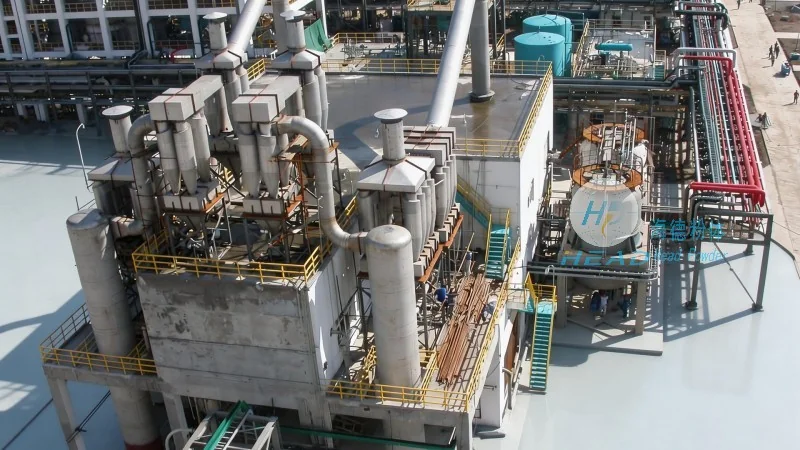
Common Sawdust Conveying Methods
Traditionally, sawdust has been conveyed using mechanical systems such as belt conveyors, screw conveyors, and bucket elevators. These methods are widely used in industrial settings due to their simplicity and relatively low initial cost. Belt conveyors, for instance, are effective for horizontal or slightly inclined transport over long distances, while screw conveyors are suitable for vertical or inclined movement, often in confined spaces. However, mechanical conveyors have limitations when it comes to handling fine, dusty materials like sawdust, as they can cause dust emissions and require regular maintenance to prevent wear and tear.
Pneumatic Conveying: The Modern Solution
Pneumatic conveying, also known as air conveying, is a method that uses compressed air or vacuum to transport sawdust and other dry bulk materials. This technology offers several advantages over traditional mechanical systems, making it an ideal choice for sawdust handling. The primary benefit is the ability to transport material through flexible hoses or rigid pipes, allowing for complex routing and integration into existing production lines. Pneumatic systems are also highly efficient in terms of energy consumption and can handle a wide range of particle sizes and moisture contents without causing material degradation.
Types of Pneumatic Conveying Systems
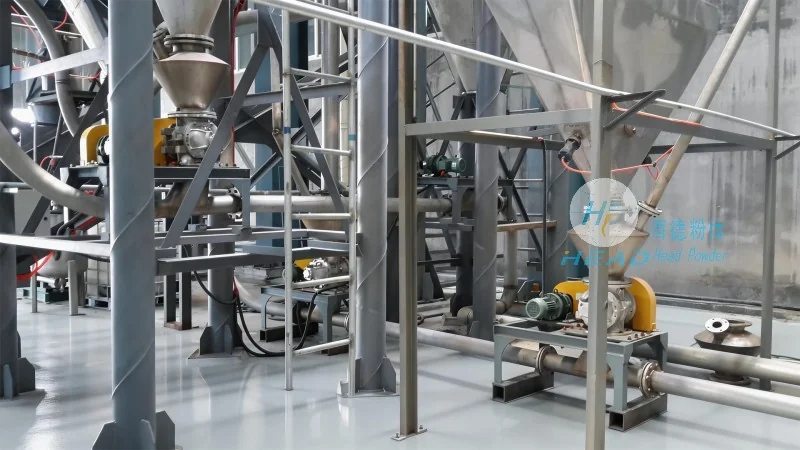
There are two main types of pneumatic conveying systems: positive pressure and negative pressure. Positive pressure systems use a blower or compressor to force air and material through the system, typically from a central source to multiple destinations. This method is suitable for long-distance transport and can handle large volumes of material. Negative pressure systems, on the other hand, use a vacuum to draw material into the system, often from a collection point to a processing unit. This approach is ideal for dust collection and material recovery, as it helps control airborne particles and maintain a clean working environment.
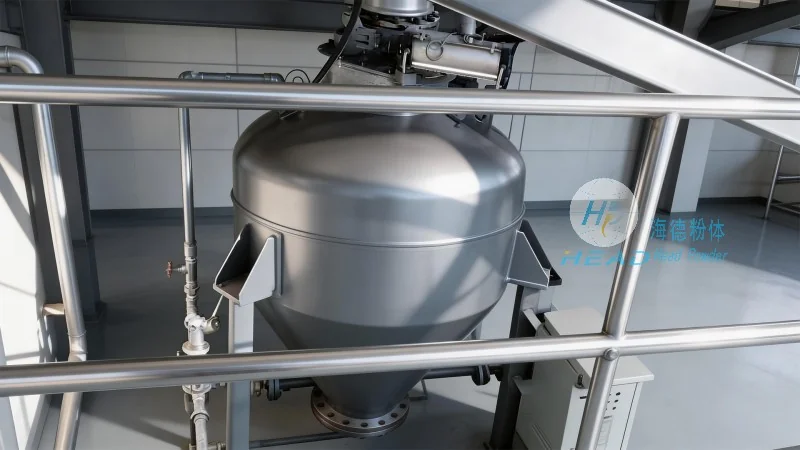
Advantages of Sawdust Pneumatic Conveying
Compared to mechanical conveyors, pneumatic systems offer several key advantages. First, they eliminate the need for moving parts in contact with the material, reducing wear and maintenance costs. Second, they provide better dust control, as the material is contained within the system, preventing emissions into the workplace. Third, pneumatic conveyors can handle material with high moisture content or sticky properties without clogging, as the air flow helps keep the material in suspension. Additionally, these systems are highly flexible, allowing for easy expansion or reconfiguration of the conveying network as production needs change.
HeadPowder Engineering: Expert in Sawdust Pneumatic Conveying
Shandong HeadPowder Engineering Co., Ltd., commonly known as HeadPowder, is a leading manufacturer specializing in pneumatic conveying solutions for sawdust and other bulk materials. With a strong focus on innovation and customer satisfaction, HeadPowder provides customized systems that meet the specific requirements of each application. The company's expertise lies in designing efficient, reliable, and low-maintenance pneumatic systems that enhance productivity while ensuring compliance with environmental regulations. HeadPowder's products are engineered with high-quality materials, such as wear-resistant steel and advanced air filtration components, to withstand the harsh conditions of sawdust handling. The company also offers comprehensive after-sales support, including installation, maintenance, and technical assistance, to ensure long-term performance and customer satisfaction.
Applications and Use Cases
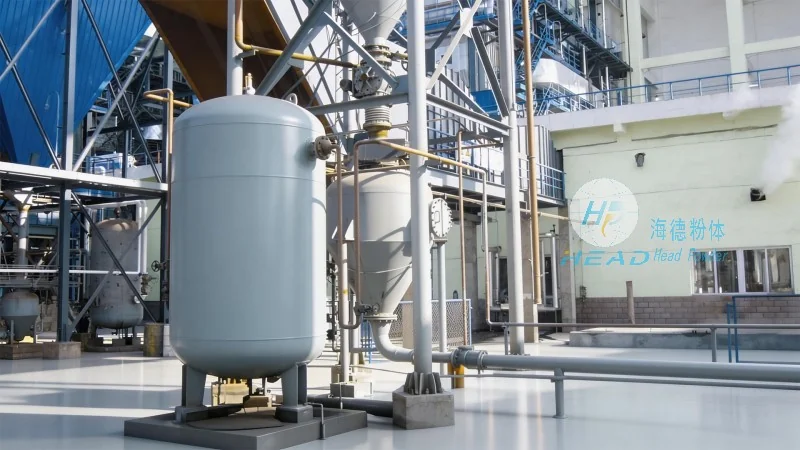
Sawdust pneumatic conveying systems are widely used in various industries. In the wood processing sector, these systems are employed to transport sawdust from cutting machines to storage silos or to biomass boilers for energy generation. In the animal bedding industry, pneumatic conveyors efficiently move sawdust to storage areas or to mixing facilities, ensuring consistent quality and uniform distribution. Additionally, in industrial applications like pharmaceuticals or food processing, pneumatic systems are used to handle sawdust as a raw material or for waste management, providing a clean and hygienic transport solution.
Conclusion
As the demand for efficient sawdust handling increases, pneumatic conveying has emerged as a superior method compared to traditional mechanical systems. Its ability to handle fine materials, control dust emissions, and provide flexible routing makes it an essential technology in modern wood processing and biomass energy production. HeadPowder Engineering, with its expertise and commitment to quality, continues to provide advanced pneumatic conveying solutions that help businesses optimize their operations and achieve sustainable growth. By investing in reliable sawdust pneumatic conveying systems, companies can improve productivity, reduce operational costs, and maintain a safe and clean working environment.

 Công ty TNHH Kỹ thuật Công trình Bột Hải Đức Sơn Đông
 156-6277-7102(Quản lý Trương)
  0531-83386006
  Quận Chương Khâu, Thành phố Tế Nam, Tỉnh Sơn Đông, Trung Quốc
Điện thoại
WeChatTư vấn
Lên đầu