Công ty Hải Đức Bột với hơn 10 năm kinh nghiệm vận chuyển khí, cung cấp hệ thống‑thiết bị‑quạt gió và nhận dự án tổng thầu bột cả nước
When handling polyvinylidene fluoride (PVDF), selecting the right conveying method is crucial for ensuring efficiency, safety, and material integrity. PVDF is a highly versatile fluoropolymer known for its excellent chemical resistance, thermal stability, and mechanical properties, making it widely used in industries such as chemical processing, pharmaceuticals, and semiconductor manufacturing. However, due to its properties, traditional conveying methods may not always be suitable. This article explores common PVDF conveying methods, with a focus on pneumatic conveying systems, and highlights the benefits of this approach for PVDF material handling.
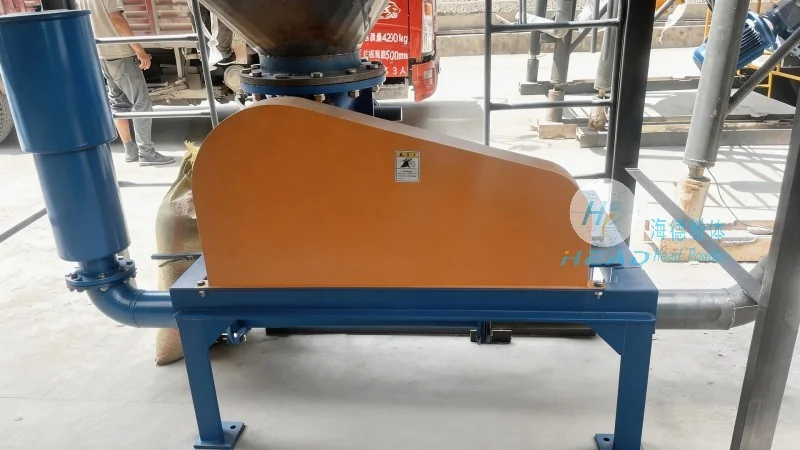
Introduction to PVDF Conveying Systems
PVDF, or polyvinylidene fluoride, is a fluoropolymer that offers superior resistance to a wide range of chemicals, including acids, bases, and solvents. Its thermal stability and low permeability make it ideal for applications where durability and performance are critical. Conveying PVDF requires specialized equipment to maintain the material's quality and prevent degradation. Traditional methods like belt conveyors or screw conveyors may not be effective for fine powders or granules, as they can cause attrition and contamination. Pneumatic conveying, on the other hand, provides a gentle and efficient way to transport PVDF, preserving its properties and ensuring consistent performance.
Pneumatic Conveying as a Key Method for PVDF Handling
Pneumatic conveying systems use air or other gases to transport PVDF particles through a pipeline. This method is particularly effective for handling fine powders and granules, as it minimizes material degradation and contamination. There are two main types of pneumatic conveying: pressure and vacuum systems. Pressure systems use compressed air to push the material through the pipeline, while vacuum systems use a vacuum to draw the material into the system. Both methods are suitable for PVDF, but the choice depends on the specific application and material characteristics.
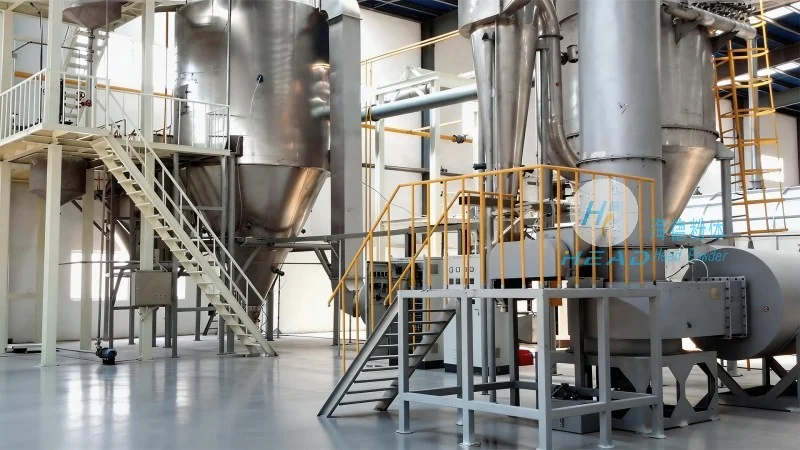
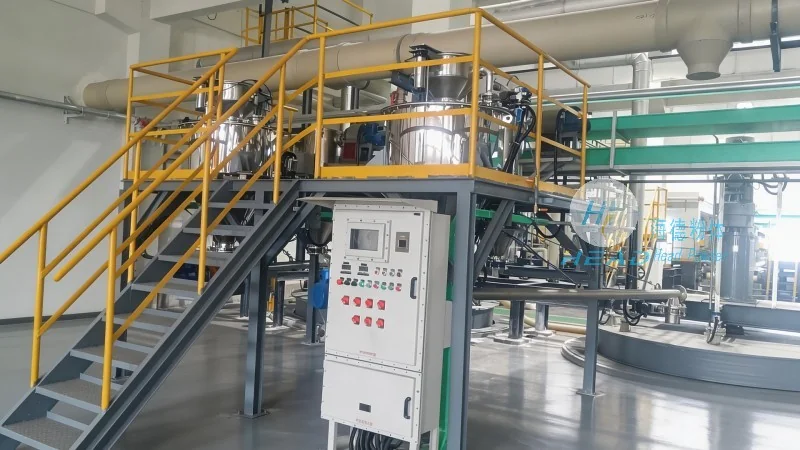
Advantages of Pneumatic Conveying for PVDF Materials
Using pneumatic conveying for PVDF offers several advantages over traditional methods. First, it reduces material degradation by minimizing friction and impact. PVDF particles are delicate and can be easily damaged by rough handling, which can affect their performance in end-use applications. Pneumatic systems provide a gentle transport environment, preserving the material's integrity. Second, pneumatic conveying improves safety by eliminating the need for manual handling of powders, which can pose health risks such as inhalation of fine particles. Third, it enhances efficiency by allowing for continuous, automated transport of PVDF, reducing downtime and labor costs. Additionally, pneumatic systems can be integrated with other processing equipment, such as mixers and reactors, to create a seamless production line.
Company Profile: Shandong HeadPowder Engineering Co., Ltd.
Shandong HeadPowder Engineering Co., Ltd., commonly known as HeadPowder, is a leading manufacturer and supplier of specialized conveying systems for industrial materials, including PVDF. With a focus on innovation and quality, HeadPowder has developed advanced pneumatic conveying solutions tailored to the unique needs of PVDF handling. The company's expertise in material science and engineering ensures that their systems are designed to maximize efficiency, safety, and material integrity. HeadPowder's commitment to customer satisfaction and technical support has made them a trusted partner for industries relying on PVDF in their production processes.

 Công ty TNHH Kỹ thuật Công trình Bột Hải Đức Sơn Đông
 156-6277-7102(Quản lý Trương)
  0531-83386006
  Quận Chương Khâu, Thành phố Tế Nam, Tỉnh Sơn Đông, Trung Quốc
Điện thoại
WeChatTư vấn
Lên đầu