Công ty Hải Đức Bột với hơn 10 năm kinh nghiệm vận chuyển khí, cung cấp hệ thống‑thiết bị‑quạt gió và nhận dự án tổng thầu bột cả nước
For industrial facilities dealing with flue gas desulfurization, the efficient and reliable delivery of dry desulfurizers is a critical operational consideration. The choice of delivery method directly impacts process efficiency, material handling costs, and overall system performance. In this context, understanding the various dry desulfurizer delivery methods, particularly pneumatic conveying, is essential for optimizing plant operations.
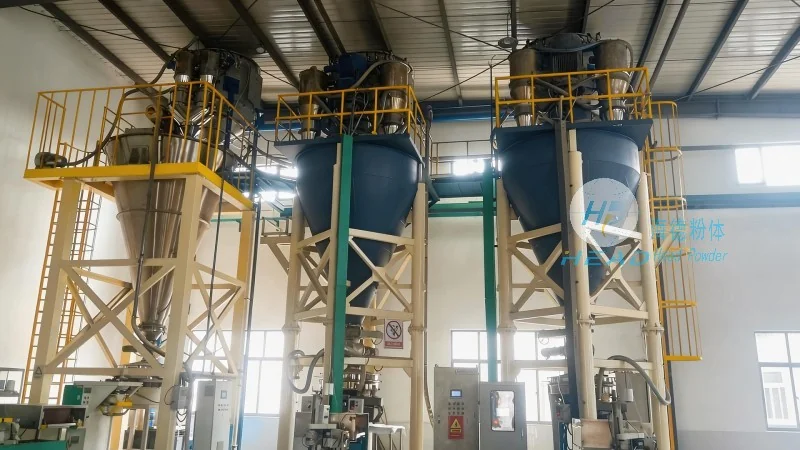
Overview of Dry Desulfurizer Delivery Methods
Dry desulfurizers, such as limestone or other alkaline materials, are commonly used in wet and dry flue gas desulfurization (FGD) systems to remove sulfur dioxide (SO₂) from exhaust gases. The effectiveness of these systems depends heavily on how the desulfurizer is transported from storage to the reaction point. Traditional methods include gravity-based systems, mechanical conveyors, and more advanced pneumatic conveying technologies. Each method has its own set of advantages and limitations, making the selection process tailored to specific plant requirements.
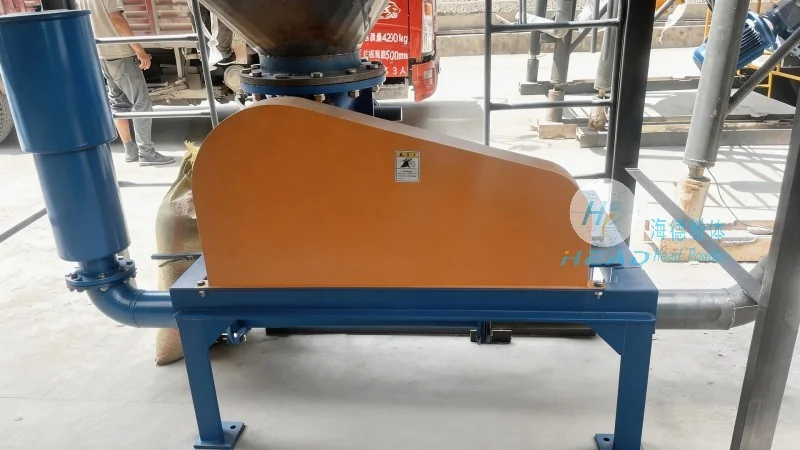
Pneumatic Conveying: A Modern Solution for Dry Desulfurizer Transport
Pneumatic conveying stands out as a preferred method for transporting dry desulfurizers due to its ability to handle fine powders over long distances with minimal material loss. This technology utilizes compressed air or other gases to move the desulfurizer through a pipeline system. The process typically involves a hopper or silo where the material is fed into a conveying line, where it is carried by the air stream to the injection point. There are two main types of pneumatic conveying: dilute-phase and dense-phase. Dilute-phase systems use higher air velocities to transport material in a suspended state, while dense-phase systems employ lower velocities to move material in a plug flow, reducing particle degradation and system wear.
Key Advantages of Pneumatic Conveying for Dry Desulfurizers
Several benefits make pneumatic conveying an attractive option for industrial applications. First, it offers high material throughput, allowing for continuous operation and meeting the demands of large-scale FGD systems. Second, the system can handle long horizontal and vertical distances, making it suitable for plants with complex layouts. Third, it minimizes material degradation and dust generation compared to mechanical systems, which is crucial for maintaining the quality of the desulfurizer and ensuring consistent SO₂ removal efficiency. Additionally, pneumatic conveying systems are relatively compact and can be integrated into existing plant infrastructure with minimal disruption.
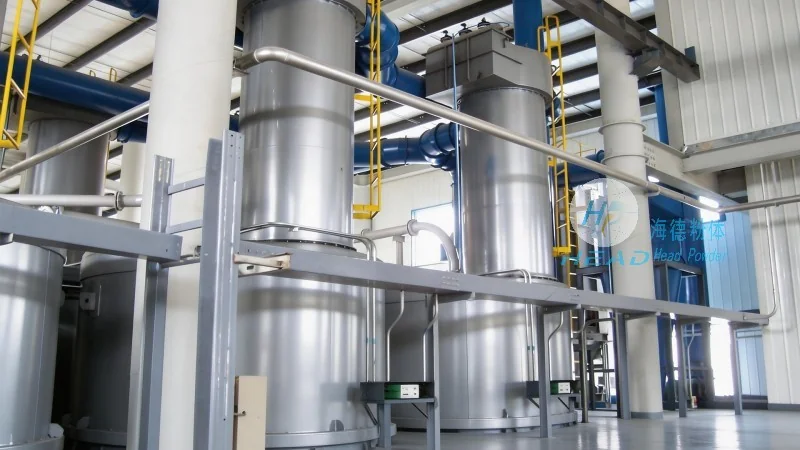
HeadPowder's Expertise in Dry Desulfurizer Delivery Solutions
Shandong HeadPowder Engineering Co., Ltd., a leading provider of industrial material handling solutions, specializes in designing and implementing advanced pneumatic conveying systems for dry desulfurizer applications. With years of experience in the field, HeadPowder has developed customized solutions that address the unique challenges faced by power plants and industrial facilities. The company's engineers work closely with clients to assess operational requirements, material characteristics, and site constraints, ensuring that the selected delivery system is optimized for performance and cost-effectiveness. HeadPowder's commitment to quality and innovation has made it a trusted partner for facilities seeking reliable and efficient dry desulfurizer transport solutions.
Conclusion: Choosing the Right Delivery Method for Optimal Performance
In conclusion, the selection of a dry desulfurizer delivery method is a critical decision that impacts the overall efficiency and reliability of flue gas desulfurization systems. While various options exist, pneumatic conveying, particularly dense-phase systems, offers significant advantages in terms of material handling efficiency, system flexibility, and operational reliability. For industrial facilities in China and beyond, partnering with a reputable company like Shandong HeadPowder Engineering Co., Ltd. ensures access to advanced technology and expert guidance in implementing the most suitable dry desulfurizer delivery solution. By leveraging the benefits of pneumatic conveying, plants can enhance their SO₂ removal capabilities, reduce operational costs, and contribute to a more sustainable industrial environment.

 Công ty TNHH Kỹ thuật Công trình Bột Hải Đức Sơn Đông
 156-6277-7102(Quản lý Trương)
  0531-83386006
  Quận Chương Khâu, Thành phố Tế Nam, Tỉnh Sơn Đông, Trung Quốc
Điện thoại
WeChatTư vấn
Lên đầu