Công ty Hải Đức Bột với hơn 10 năm kinh nghiệm vận chuyển khí, cung cấp hệ thống‑thiết bị‑quạt gió và nhận dự án tổng thầu bột cả nước
When it comes to handling and transporting BaSO4 precipitate, selecting the right method is crucial for efficiency and cost-effectiveness. BaSO4, or barium sulfate, is a widely used white powder in various industries, including pharmaceuticals, coatings, and ceramics. Its handling requires specialized equipment and processes to ensure safety and maintain product quality. Among the various transport options available, pneumatic conveying stands out as a popular choice for many applications due to its flexibility and ability to handle fine powders like BaSO4.
Pneumatic Conveying: A Versatile Solution for BaSO4 Precipitate Transport
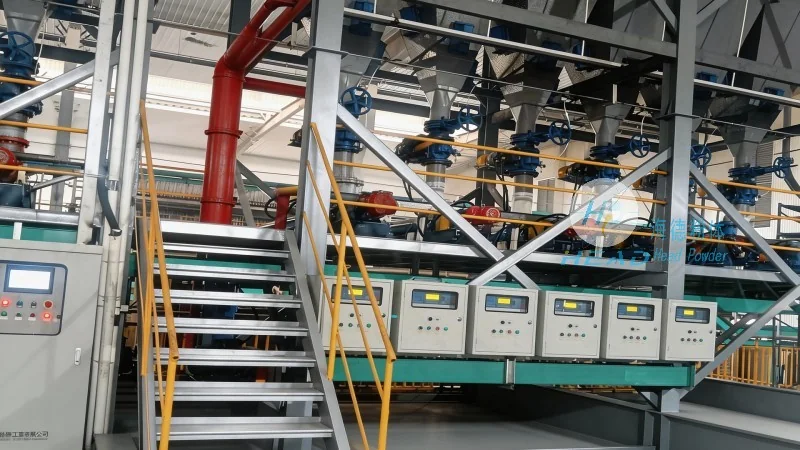
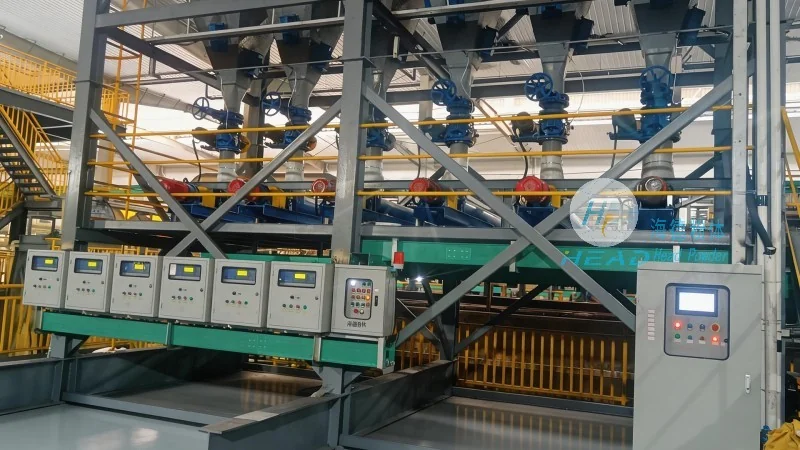
Pneumatic conveying systems utilize air or other gases to move powders through a pipeline. This method is particularly effective for BaSO4 precipitate because it can handle fine particles without the need for mechanical components that might cause wear or contamination. The process typically involves a hopper where the BaSO4 is stored, a blower or compressor that generates the air flow, and a pipeline that transports the material to the destination. The system can be either positive pressure (where air pushes the powder) or negative pressure (where air pulls the powder), each with its own advantages depending on the application.
Key Advantages of Pneumatic Conveying for BaSO4 Precipitate
One of the primary benefits of pneumatic conveying is its ability to transport BaSO4 precipitate over long distances without the need for intermediate storage or manual handling. This reduces the risk of product contamination and minimizes labor costs. Additionally, the system can be designed to handle varying flow rates, making it adaptable to different production needs. Another advantage is the reduced risk of dust exposure compared to other methods, as the material is contained within the pipeline. This is particularly important for BaSO4, which, while generally non-toxic, can cause respiratory issues if inhaled in large quantities.
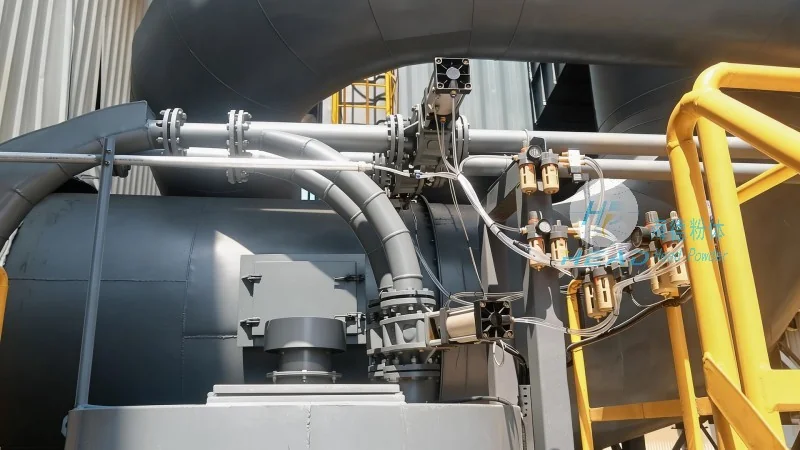
Components of a Typical Pneumatic Conveying System for BaSO4
A standard pneumatic conveying system for BaSO4 precipitate includes several key components. The first is the material hopper, which holds the BaSO4 and provides a controlled feed to the system. The hopper is often equipped with a feeder, such as a rotary valve or a screw feeder, to regulate the flow of powder into the pipeline. The blower or compressor is the heart of the system, generating the necessary air pressure to move the material. The pipeline itself is typically made of stainless steel or other corrosion-resistant materials to prevent contamination and ensure durability. At the destination, a receiver or silo collects the BaSO4, and sometimes a cyclone separator is used to separate any air from the powder before it enters the receiver.
Considerations for Implementing Pneumatic Conveying in BaSO4 Handling
While pneumatic conveying offers many benefits, there are several factors to consider when implementing this system for BaSO4 precipitate. The first is the particle size and moisture content of the BaSO4, as these can affect the system's efficiency. Fine particles may require higher air velocities to prevent clogging, while high moisture content can lead to clumping, which may need additional drying steps before transport. Another consideration is the distance and layout of the transport route, as the system's capacity and pressure requirements will vary based on these factors. Additionally, the system must be designed to comply with local regulations regarding dust control and air quality, especially in industrial settings.
Conclusion: Choosing the Right Transport Method for BaSO4 Precipitate
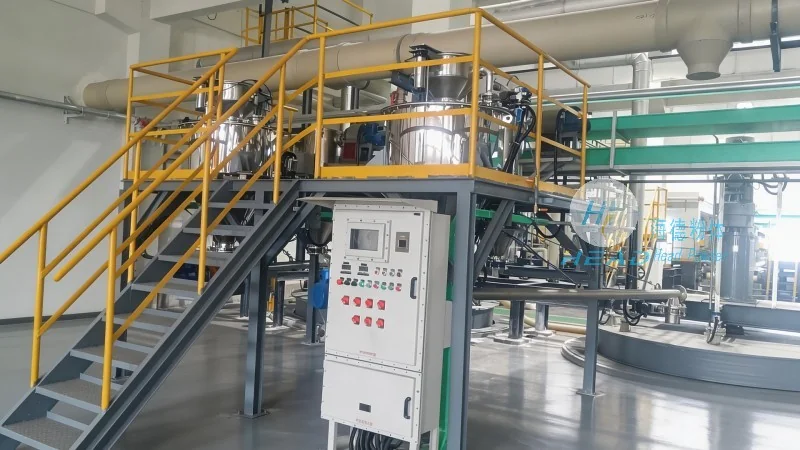
In conclusion, pneumatic conveying is a highly effective method for transporting BaSO4 precipitate, offering advantages in efficiency, safety, and adaptability. By understanding the components and considerations involved, companies can select the most suitable system for their specific needs. As a leading provider in the field, Shandong HeadPowder Engineering Co., Ltd. specializes in designing and manufacturing pneumatic conveying systems tailored to the unique requirements of BaSO4 handling. With a focus on quality and reliability, HeadPowder ensures that their systems meet the highest standards for performance and safety, helping clients optimize their BaSO4 processing operations.

 Công ty TNHH Kỹ thuật Công trình Bột Hải Đức Sơn Đông
 156-6277-7102(Quản lý Trương)
  0531-83386006
  Quận Chương Khâu, Thành phố Tế Nam, Tỉnh Sơn Đông, Trung Quốc
Điện thoại
WeChatTư vấn
Lên đầu