Công ty Hải Đức Bột với hơn 10 năm kinh nghiệm vận chuyển khí, cung cấp hệ thống‑thiết bị‑quạt gió và nhận dự án tổng thầu bột cả nước
When it comes to the handling and transportation of arsenic trioxide, selecting the right conveying method is crucial for ensuring efficiency, safety, and compliance with industry standards. As a leading provider in the field, Shandong HeadPowder Engineering Co., Ltd. (commonly known as HeadPowder) understands the diverse needs of clients dealing with this hazardous material. This article explores common methods for transporting arsenic trioxide, with a focus on the advantages and applications of pneumatic conveying systems.
Understanding Arsenic Trioxide and Its Conveying Challenges
Arsenic trioxide, a white crystalline solid with the chemical formula As₂O₃, is widely used in various industrial applications, including the production of pesticides, wood preservatives, and certain pharmaceuticals. Due to its toxic and corrosive nature, handling this substance requires specialized equipment and adherence to strict safety protocols. The primary challenges in conveying arsenic trioxide include its fine powder form, which can lead to dust accumulation, and its potential to cause respiratory issues if inhaled. Therefore, the choice of conveying method must prioritize containment, dust control, and operational reliability.
Common Conveying Methods for Arsenic Trioxide
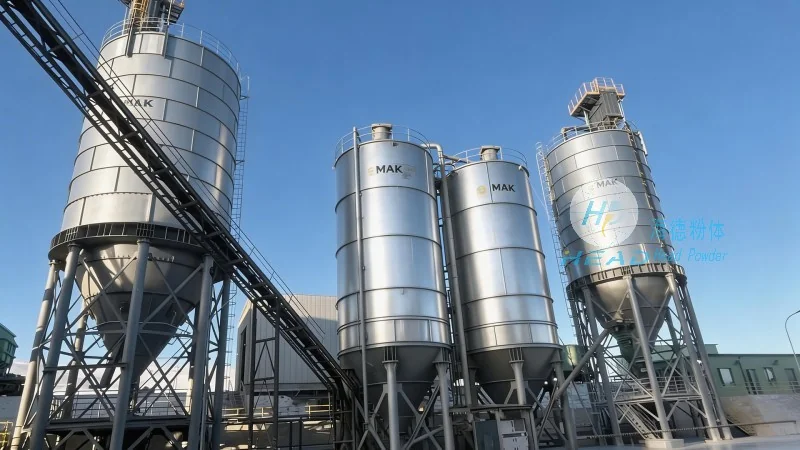
Several methods are employed for transporting arsenic trioxide, each with its own set of advantages and limitations. The most common approaches include bulk material handling systems, such as screw conveyors, belt conveyors, and pneumatic conveying systems. Each method has specific applications depending on the scale of operation, the distance of transport, and the environmental conditions.
Pneumatic Conveying: A Preferred Solution for Arsenic Trioxide
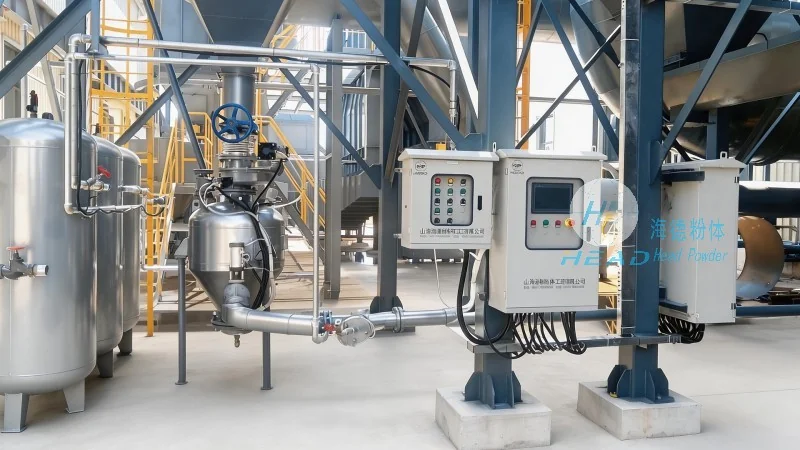
Pneumatic conveying, also known as air-pneumatic transport, is increasingly recognized as an effective and efficient method for handling arsenic trioxide. This technology involves transporting the material through a pipeline using a combination of air pressure and vacuum. The system typically consists of a hopper, a feeder, a conveying line, and a receiver. The key advantage of pneumatic conveying is its ability to handle fine powders without the need for mechanical components that could cause clogging or contamination. Additionally, it offers excellent dust control, as the material is contained within the pipeline, reducing the risk of exposure to workers and the environment.
There are two main types of pneumatic conveying systems: pressure and vacuum. Pressure systems use compressed air to push the material through the pipeline, while vacuum systems use a vacuum to draw the material. For arsenic trioxide, pressure systems are often preferred due to their ability to handle higher material loads and longer distances. The choice between the two depends on factors such as the distance between the source and destination, the volume of material to be transported, and the available infrastructure.
Key Features of Pneumatic Conveying for Arsenic Trioxide
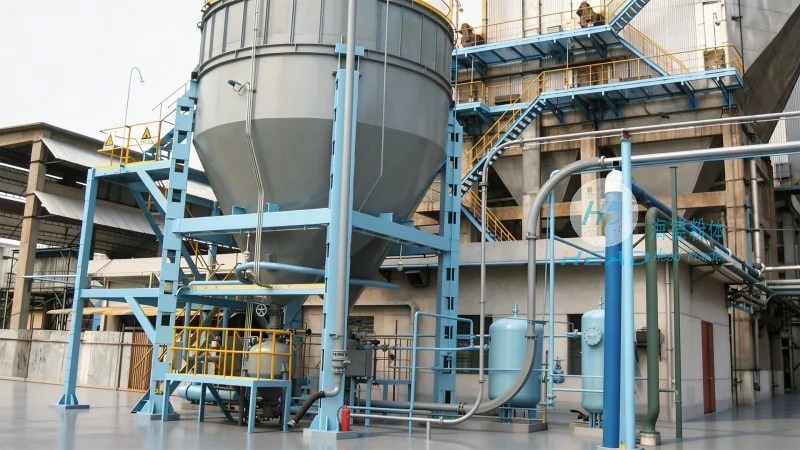
When implementing a pneumatic conveying system for arsenic trioxide, several key features must be considered to ensure optimal performance and safety. First, the system must be designed with materials that are resistant to corrosion and chemical attack, as arsenic trioxide can be corrosive to certain metals. Stainless steel or specialized alloys are commonly used for the construction of pipelines and components. Second, the system must incorporate effective dust suppression measures, such as cyclones and filters, to prevent the release of fine particles into the air. Third, the system should include safety features like pressure relief valves and emergency shut-off mechanisms to protect against over-pressurization or other hazards.
Applications of Pneumatic Conveying in Arsenic Trioxide Handling
Pneumatic conveying systems are widely used in various stages of arsenic trioxide processing. For example, in the production of arsenic compounds, the material is often transferred from storage silos to processing equipment. In the pharmaceutical industry, pneumatic conveying is used to move arsenic trioxide from raw material storage to manufacturing lines. The flexibility of pneumatic systems allows them to be integrated into existing production lines, minimizing downtime and improving overall efficiency.
Conclusion
Choosing the right conveying method for arsenic trioxide is critical for ensuring safe and efficient operations. While several options are available, pneumatic conveying stands out as a reliable and effective solution, particularly for handling fine powders and hazardous materials. Shandong HeadPowder Engineering Co., Ltd. specializes in designing and manufacturing customized pneumatic conveying systems tailored to the specific needs of clients, ensuring compliance with industry standards and maximizing operational performance. With their expertise and commitment to quality, HeadPowder provides solutions that enhance the safety and efficiency of arsenic trioxide handling across various industries.

 Công ty TNHH Kỹ thuật Công trình Bột Hải Đức Sơn Đông
 156-6277-7102(Quản lý Trương)
  0531-83386006
  Quận Chương Khâu, Thành phố Tế Nam, Tỉnh Sơn Đông, Trung Quốc
Điện thoại
WeChatTư vấn
Lên đầu