Công ty Hải Đức Bột với hơn 10 năm kinh nghiệm vận chuyển khí, cung cấp hệ thống‑thiết bị‑quạt gió và nhận dự án tổng thầu bột cả nước
In industrial production, cement and mineral powders are fundamental raw materials for many sectors. These materials often need to be transported from one location to another to support production processes. However, transporting powders presents several challenges, such as dust generation, equipment wear, and low efficiency. Therefore, selecting an appropriate conveying method is crucial for enhancing production efficiency and reducing operational costs. This article explores common cement and mineral powder conveying methods and focuses on pneumatic conveying technology to help users understand the characteristics of different methods and choose the most suitable solution for their needs.
Overview of Common Cement and Mineral Powder Conveying Methods
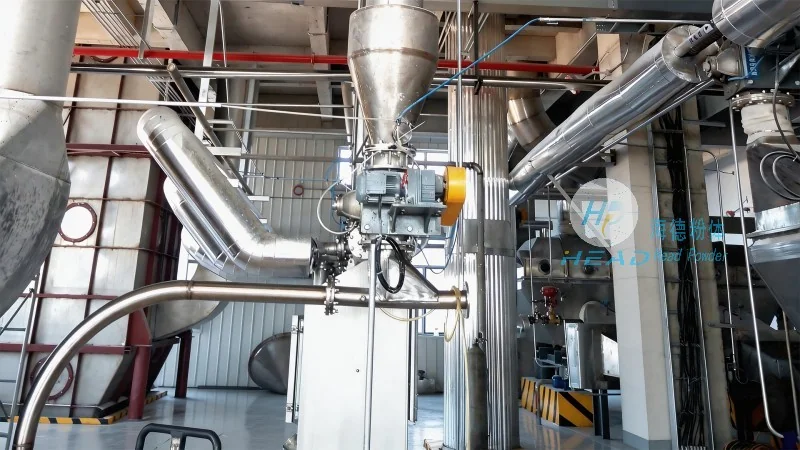
Traditional cement and mineral powder conveying methods include screw conveyors, belt conveyors, and bucket elevators. Screw conveyors use rotating spiral blades to move materials forward, suitable for short distances and small quantities of powders but prone to material caking and severe wear. Belt conveyors rely on the friction between belts and rollers to transport materials, suitable for long distances and large volumes but requiring significant floor space and having limited material adaptability. Bucket elevators lift materials using buckets, suitable for vertical or steeply inclined transport but with complex structures and high maintenance costs. These traditional methods often struggle to meet modern industrial demands for efficiency and environmental protection when handling dusty, wear-prone materials like cement and mineral powders.
Advantages and Applications of Pneumatic Conveying Technology
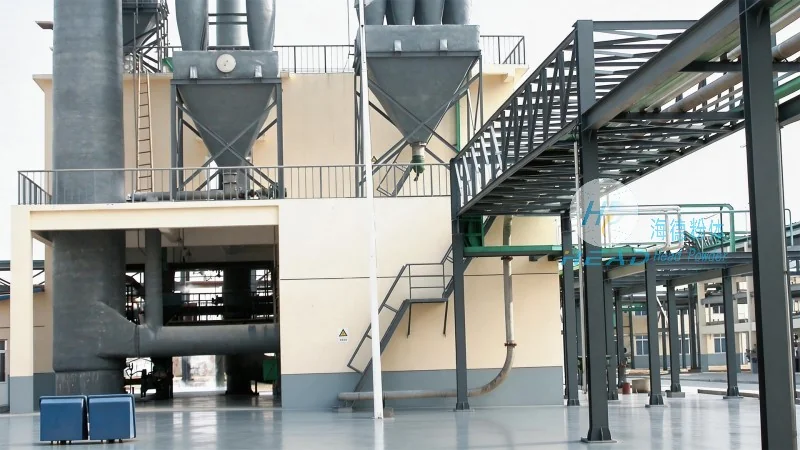
Pneumatic conveying technology uses air flow to transport powders, offering an efficient and flexible solution for cement and mineral powders. Compared to traditional mechanical conveying methods, pneumatic conveying offers several advantages: first, it enables dust-free transport, reducing pollution and improving working conditions; second, the equipment is simple in structure, occupies minimal floor space, and is easy to integrate into existing production lines; third, it can handle various powders, including dry, moist, or caking materials, with broad adaptability; additionally, it achieves high transport efficiency, capable of long-distance, large-volume material transport to meet large-scale production needs. Positive-pressure pneumatic systems use fans to inject compressed air into the pipeline, pushing materials forward, while negative-pressure systems generate negative pressure with an air cleaner to draw materials into the pipeline. Both systems have their characteristics: positive-pressure systems are suitable for short distances and high flow rates, while negative-pressure systems are suitable for long distances, low flow rates, or when closed transport is required.
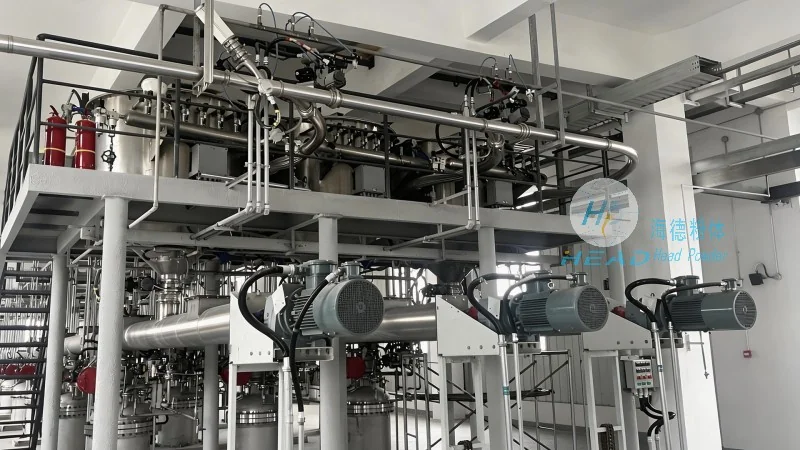
HeadPowder Company's Pneumatic Conveying System Solutions
Shandong HeadPowder Engineering Co., Ltd. (headpowder), as a professional powder engineering solutions provider, is dedicated to offering efficient and reliable pneumatic conveying systems for the cement and mineral powder industry. Combining years of industry experience, the company has developed various types of pneumatic conveying equipment to meet diverse customer needs. For example, positive-pressure pneumatic systems utilize high-efficiency fans and precise feeders to ensure stable material transport and reduce pipeline blockage risks. Negative-pressure systems are equipped with advanced filtration devices to effectively control dust emissions and comply with environmental regulations. HeadPowder's pneumatic conveying systems also feature intelligent control systems that monitor parameters like pressure, flow rate, and temperature in real time and automatically adjust transport volume based on production demands, enhancing system stability and efficiency. Furthermore, the company provides customized solutions, designing optimal transport plans according to specific conditions such as factory layout, material properties, and transport distance to ensure the system matches the production process perfectly.
Practical Applications and Effects
HeadPowder's pneumatic conveying systems have been successfully applied in multiple cement and mineral powder production projects. For instance, a cement plant replaced its original screw conveyor with a positive-pressure pneumatic system, increasing transport efficiency by 30% while reducing equipment wear and maintenance costs. Another mineral processing enterprise adopted a negative-pressure pneumatic system to achieve long-distance, closed material transport, effectively controlling dust pollution and improving workshop conditions. These cases demonstrate that pneumatic conveying technology can significantly enhance the transport efficiency of cement and mineral powders, reduce operational costs, and meet environmental requirements. HeadPowder's pneumatic conveying systems, with their advanced technology, reliable performance, and comprehensive after-sales service, have gained widespread recognition from customers and have become a well-known brand in the industry.

 Công ty TNHH Kỹ thuật Công trình Bột Hải Đức Sơn Đông
 156-6277-7102(Quản lý Trương)
  0531-83386006
  Quận Chương Khâu, Thành phố Tế Nam, Tỉnh Sơn Đông, Trung Quốc
Điện thoại
WeChatTư vấn
Lên đầu