Công ty Hải Đức Bột với hơn 10 năm kinh nghiệm vận chuyển khí, cung cấp hệ thống‑thiết bị‑quạt gió và nhận dự án tổng thầu bột cả nước
Grain transportation is a critical process in the agricultural and food processing industries, ensuring that harvested crops are efficiently moved from the field to storage, processing facilities, or distribution centers. The choice of transportation method depends on various factors including the type of grain, the distance to be covered, the volume of material, and the available infrastructure. There are several common methods used for grain transportation, each with its own advantages and applications.
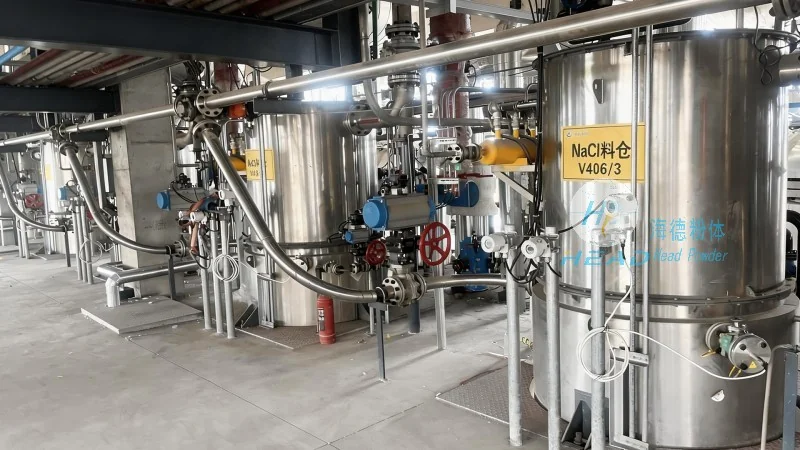
1. Mechanical Conveyors
One of the most traditional and widely used methods for grain transportation is through mechanical conveyors. These systems utilize mechanical components such as belts, chains, or screws to move grain from one location to another. Belt conveyors are particularly common in bulk handling operations, offering high capacity and reliability for transporting large volumes of grain over short to medium distances. Screw conveyors, also known as augers, are effective for vertical or inclined transport, making them suitable for elevating grain from lower to higher levels or moving it through processing lines. Mechanical conveyors are often integrated with other equipment like hoppers and silos, forming a cohesive system for grain handling. They are favored for their durability and ability to handle a wide range of grain types without causing significant damage to the product.
2. Pneumatic (Air) Conveying Systems
Pneumatic conveying, or air-based transport, is another popular method for grain movement. This technology uses air pressure to move grain through a pipeline system. There are two main types: positive pressure and negative pressure systems. Positive pressure systems blow air and grain mixture through the pipeline, while negative pressure systems create a vacuum to draw the material. Pneumatic conveying is highly efficient for long-distance transport, as it can move grain over several hundred meters with minimal energy loss. It is particularly advantageous for handling fine or dusty grains, as the enclosed system prevents contamination and dust dispersion. However, it requires careful design to manage air flow and pressure, and may be less suitable for very large particles or high-volume applications without additional equipment like cyclones or separators.
3. Bucket Elevators
Bucket elevators are specialized vertical conveyors designed to lift grain from ground level to elevated storage or processing areas. They consist of a continuous belt or chain with attached buckets that scoop up grain at the lower end and discharge it at the upper end. This method is highly effective for vertical transport and is commonly used in grain elevators and feed mills. Bucket elevators can handle a wide range of grain sizes and moisture contents, and their enclosed design helps maintain grain quality by protecting it from environmental factors. They are known for their high capacity and reliability, making them a preferred choice for large-scale grain handling operations. However, they require regular maintenance to ensure smooth operation and may have limitations in handling very sticky or wet grains.
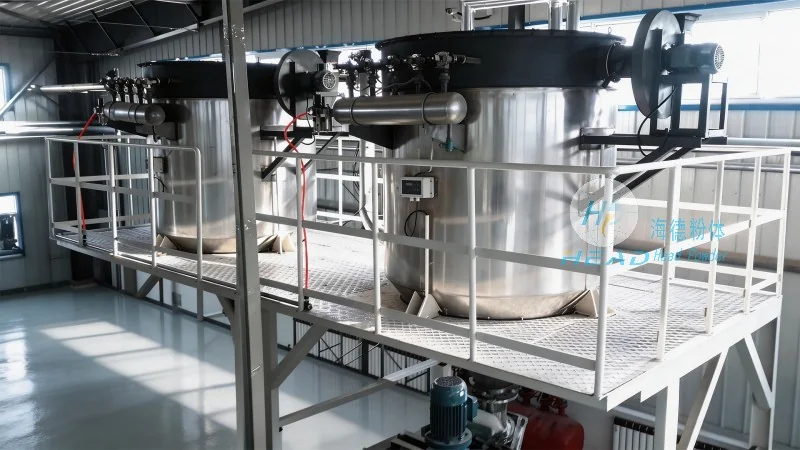
4. Tractor-Drawn Trailers and Trucks
For short to medium-distance transportation, especially from farms to local storage or processing centers, tractor-drawn trailers and trucks are widely used. These vehicles are equipped with specialized grain containers or trailers that can hold significant volumes of grain. The choice between trailers and trucks depends on the distance and the need for flexibility. Trailers are often used for bulk transport over shorter distances, while trucks are more suitable for longer routes or when multiple stops are required. This method is cost-effective for smaller operations and allows for direct delivery to the destination. However, it is less efficient for very large volumes compared to bulk handling systems and may be subject to weather and road conditions that can affect delivery times.
5. Bulk Handling and Storage Systems
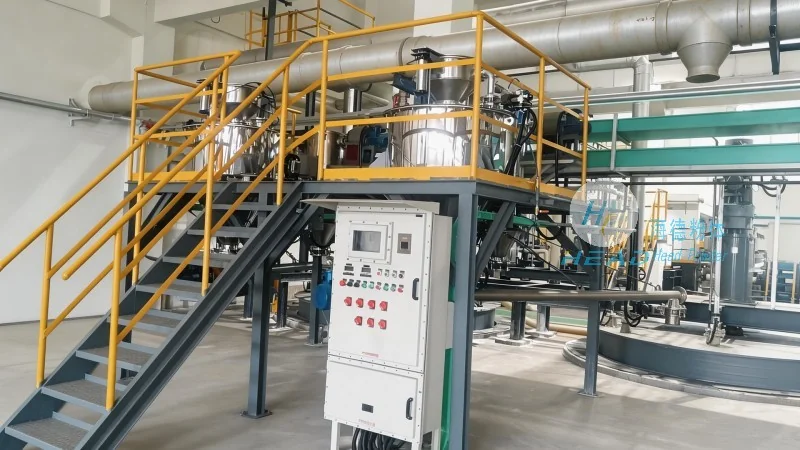
Modern grain transportation often integrates with comprehensive bulk handling and storage systems. These systems include silos, storage bins, and loading/unloading equipment that work together to manage grain flow from the field to the market. Silos are large, cylindrical structures used for storing grain in bulk, providing a stable and protected environment. They are equipped with aeration systems to control moisture and temperature, ensuring grain quality during storage. Loading and unloading equipment, such as grain augers or conveyors, connects the silos to transportation vehicles, facilitating efficient transfer. This integrated approach allows for better inventory management and reduces the risk of spoilage or loss during storage and transport. Companies like Shandong HeadPowder Engineering Co., Ltd., based in China, specialize in designing and manufacturing such comprehensive grain handling solutions, combining various transportation methods with advanced storage and processing technologies.
6. Specialized Equipment for Specific Grains
Some grains, such as rice or wheat, may require specialized transportation equipment due to their unique properties. For example, rice may need to be handled with equipment that minimizes breakage, as the grain is more delicate. Specialized conveyors with gentle handling mechanisms, such as low-speed belts or air slides, are used to transport these grains without causing damage. Similarly, wheat and other grains with higher moisture content may require equipment that can handle temperature and moisture variations, such as insulated conveyors or systems with temperature control. The choice of equipment is crucial to maintain the quality and market value of the grain. Companies like HeadPowder, a division of Shandong HeadPowder Engineering Co., Ltd., develop tailored solutions that address the specific needs of different grain types, ensuring optimal transportation and storage conditions.
7. Environmental and Efficiency Considerations
When selecting a grain transportation method, environmental and efficiency factors are increasingly important. Modern systems often incorporate energy-efficient designs and materials to reduce operational costs and environmental impact. For example, some pneumatic systems use low-pressure air to minimize energy consumption, while mechanical conveyors may utilize variable speed drives to adjust to varying load conditions. Additionally, the use of enclosed systems helps prevent dust and grain loss, contributing to better environmental management. Companies like Shandong HeadPowder Engineering Co., Ltd. focus on developing sustainable grain handling solutions that balance efficiency with environmental responsibility. Their products are designed to meet both current and future industry standards, ensuring long-term viability and performance.

 Công ty TNHH Kỹ thuật Công trình Bột Hải Đức Sơn Đông
 156-6277-7102(Quản lý Trương)
  0531-83386006
  Quận Chương Khâu, Thành phố Tế Nam, Tỉnh Sơn Đông, Trung Quốc
Điện thoại
WeChatTư vấn
Lên đầu