Công ty Hải Đức Bột với hơn 10 năm kinh nghiệm vận chuyển khí, cung cấp hệ thống‑thiết bị‑quạt gió và nhận dự án tổng thầu bột cả nước
PTFE, or polytetrafluoroethylene, is a highly versatile and chemically inert material widely used in industrial applications, particularly in processes requiring reliable material handling and transport. The effective conveyance of PTFE materials is crucial for maintaining product integrity and operational efficiency. Various methods have been developed to handle PTFE, each suited to different operational conditions, material properties, and system requirements. This article explores the primary methods for PTFE conveying, highlighting the key considerations and applications.
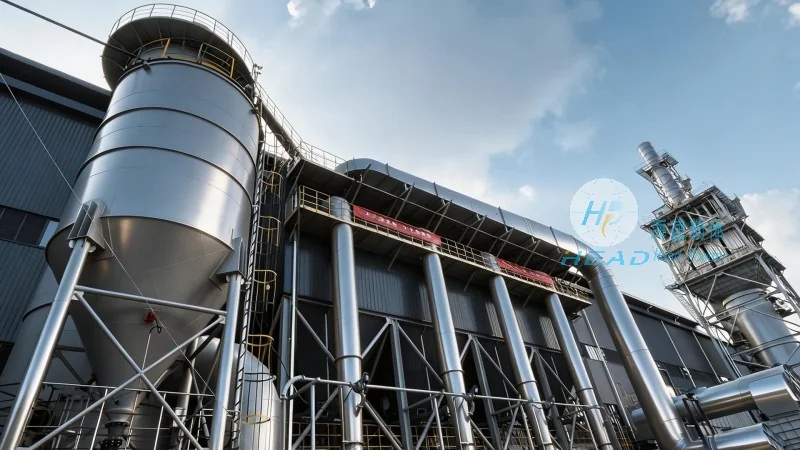
Gravity Conveying Systems
Gravity conveying is a straightforward and energy-efficient method for transporting PTFE materials, especially when the material can flow freely under the influence of gravity. This approach is ideal for bulk PTFE powders or granules that exhibit good flow characteristics. The system typically consists of inclined chutes or hoppers that allow the material to move from a higher to a lower elevation without the need for mechanical assistance. The design of gravity conveyors must account for the material's density, angle of repose, and potential for bridging or caking, which can impede smooth flow. Properly engineered gravity systems ensure consistent and reliable PTFE transport, minimizing the risk of material degradation or equipment wear.
Mechanical Conveying with PTFE-Coated Components
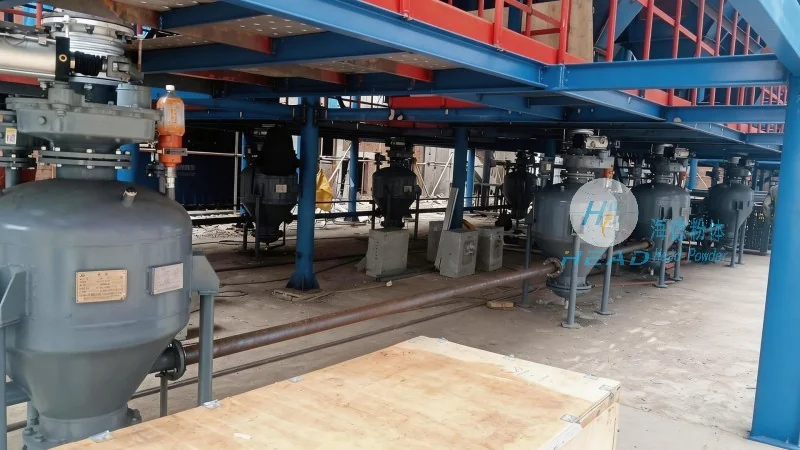
For applications where PTFE materials need to be conveyed over longer distances or with higher throughput, mechanical systems such as screw conveyors, belt conveyors, or bucket elevators are commonly employed. A critical aspect of these systems is the use of PTFE-coated or PTFE-lined components to prevent material adhesion and ensure smooth operation. Screw conveyors, for instance, utilize a rotating helical screw to move PTFE powders or pellets through a tube. The screw flights are often made of stainless steel with PTFE coatings on the inner surface, providing low friction and preventing the PTFE material from sticking to the conveyor. This design is particularly effective for handling PTFE that is prone to sticking, such as fine powders or low-density granules. Belt conveyors may use PTFE-coated belts to transport PTFE sheets or larger pieces, ensuring that the material does not adhere to the belt surface and facilitating easy release at the discharge point.
Pneumatic Conveying Systems
Pneumatic conveying, or air-assisted transport, is another effective method for PTFE conveying, especially when dealing with fine powders or materials that are difficult to handle mechanically. This technique involves transporting the PTFE material in a stream of air, either in a dilute-phase (where the material is suspended in the air) or a dense-phase (where the material is conveyed as a slurry). Dilute-phase pneumatic conveying is suitable for short to medium distances and low to medium material loads, while dense-phase systems are preferred for longer distances and higher material concentrations. The choice of pneumatic system depends on factors like material properties, system pressure, and the need for minimal product degradation. Pneumatic conveyors are often equipped with PTFE-lined or PTFE-coated components to prevent material buildup and ensure consistent air flow. This method is particularly advantageous for handling PTFE powders that are sensitive to mechanical stress or contamination.
Specialized Conveying Solutions for PTFE
For specialized applications, such as the transport of PTFE-coated wires, films, or complex PTFE components, customized conveying solutions may be required. These systems may incorporate features like tension control, alignment mechanisms, or specialized feeding devices to ensure the PTFE material is handled without damage. For example, when conveying PTFE-coated cables, a combination of roller conveyors and tensioning systems may be used to maintain the cable's integrity during transport. Similarly, for PTFE films or sheets, web conveyors with PTFE-coated rollers can prevent sticking and ensure smooth movement through the production line. Such specialized conveyors are designed to meet the unique demands of PTFE products, ensuring that the material is transported safely and efficiently.
Key Considerations for PTFE Conveying
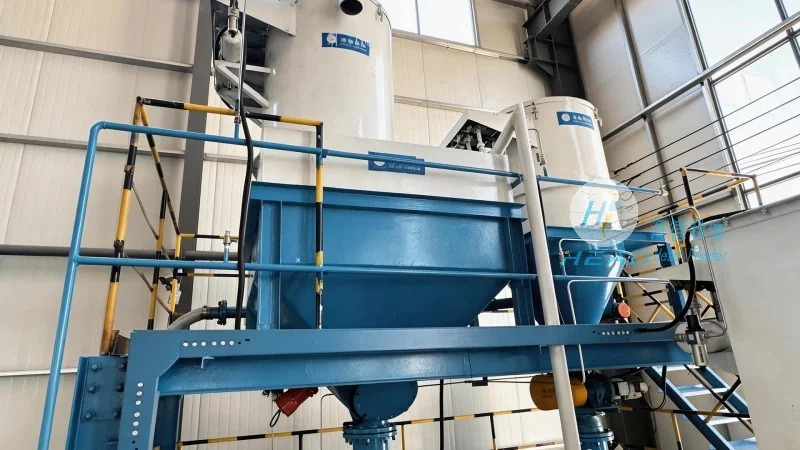
When selecting a PTFE conveying method, several factors must be considered to ensure optimal performance and material integrity. First, the physical properties of the PTFE material, including its density, flowability, and tendency to stick or clog, play a critical role. Materials with poor flow characteristics may require additional assistance, such as vibration or air assistance, to maintain smooth transport. Second, the system's operating environment, including temperature and chemical exposure, must be compatible with both the PTFE material and the conveying equipment. PTFE is known for its chemical resistance, but other components of the system, like seals or bearings, may need to be selected based on the specific application. Third, the scale of the operation, including the required throughput and distance, influences the choice of conveying method. Small-scale applications may benefit from gravity or simple mechanical systems, while large-scale operations may require more advanced pneumatic or mechanical solutions. Finally, maintenance and operational costs should be evaluated, as different conveying methods have varying levels of complexity and upkeep requirements.
Conclusion
PTFE conveying methods vary widely, each tailored to specific material properties and operational needs. Gravity systems offer simplicity and efficiency for free-flowing PTFE, while mechanical and pneumatic systems provide greater control and flexibility for more challenging applications. The use of PTFE-coated components in mechanical systems and specialized pneumatic designs ensures that PTFE materials are handled with minimal risk of degradation or contamination. By carefully evaluating the material characteristics, system requirements, and operational constraints, industries can select the most appropriate PTFE conveying method to enhance productivity and maintain product quality. As a leading provider of PTFE engineering solutions, Shandong HeadPowder Engineering Co., Ltd. specializes in designing and manufacturing customized conveying systems that meet the unique demands of PTFE applications, ensuring reliable and efficient material transport for its clients.

 Công ty TNHH Kỹ thuật Công trình Bột Hải Đức Sơn Đông
 156-6277-7102(Quản lý Trương)
  0531-83386006
  Quận Chương Khâu, Thành phố Tế Nam, Tỉnh Sơn Đông, Trung Quốc
Điện thoại
WeChatTư vấn
Lên đầu