Công ty Hải Đức Bột với hơn 10 năm kinh nghiệm vận chuyển khí, cung cấp hệ thống‑thiết bị‑quạt gió và nhận dự án tổng thầu bột cả nước
Dust collection ash, also known as collected dust or fly ash from industrial processes, requires efficient and reliable conveying systems to transport it from collection points to disposal or processing facilities. The choice of conveying method depends on several factors including the ash's characteristics, the distance to be covered, the required capacity, and the overall system cost. This article explores the primary methods used for dust collection ash conveying, highlighting the options available for industrial applications.
Overview of Dust Collection Ash Conveying Systems
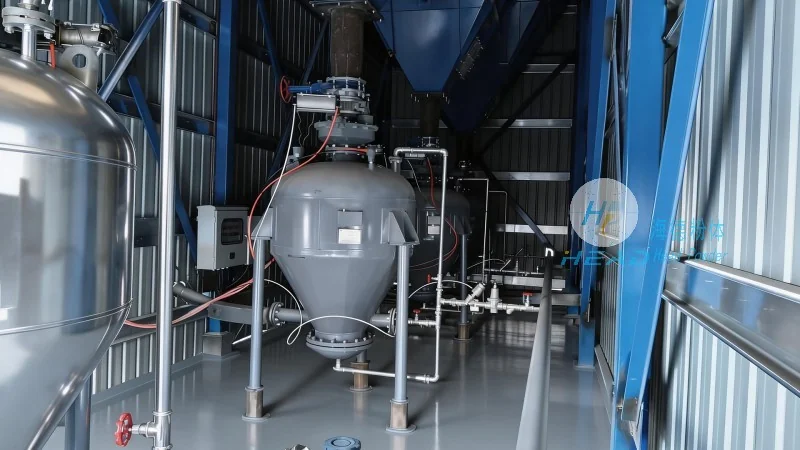
Dust collection ash conveying systems are designed to handle fine particulate matter that is often abrasive and potentially hazardous. The effectiveness of these systems is critical for maintaining operational efficiency, ensuring compliance with environmental regulations, and protecting equipment from wear and tear. A well-designed conveying system minimizes downtime, reduces maintenance costs, and enhances overall safety in industrial settings.
Common Conveying Methods for Dust Collection Ash
Several methods are commonly employed for transporting dust collection ash, each with its own advantages and suitability for different applications. The most prevalent options include pneumatic conveying, mechanical conveying, and hybrid systems that combine elements of both. Below is a detailed look at each approach.
Pneumatic Conveying Systems
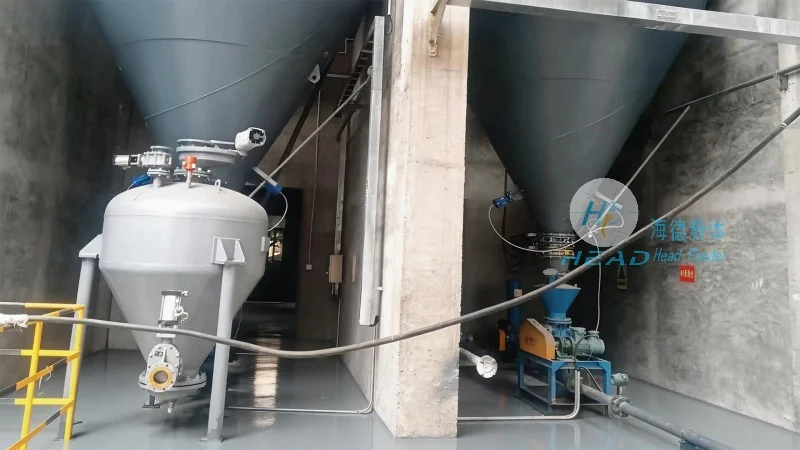
Pneumatic conveying uses compressed air or gas to transport dust collection ash through a pipeline. This method is particularly effective for fine, dry materials and can handle long distances with relatively low maintenance. There are two main types of pneumatic conveying: pressure and vacuum systems. Pressure systems push the material through the pipeline using positive pressure, while vacuum systems draw the material using negative pressure. The choice between these depends on the distance, material properties, and system layout. Pneumatic conveying is often preferred for its ability to handle abrasive materials and its flexibility in system design, making it a popular choice for many industrial applications.
Mechanical Conveying Systems
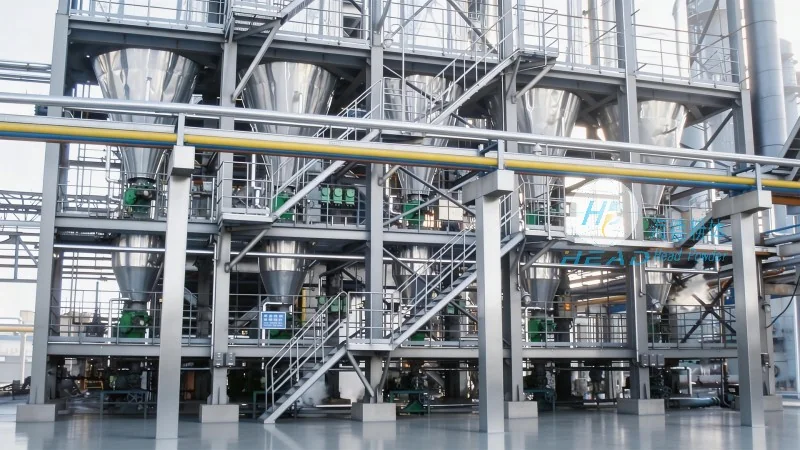
Mechanical conveying systems rely on mechanical components such as belts, screws, or buckets to move dust collection ash. These systems are typically used for shorter distances and when the material is more cohesive or contains larger particles. Screw conveyors, for example, are widely used in industries like cement and power generation due to their simplicity and effectiveness in handling bulk materials. Belt conveyors are another common option, suitable for transporting ash over moderate distances with relatively high capacity. Mechanical conveyors are generally more cost-effective for shorter runs and when the material is less abrasive, though they may require more maintenance compared to pneumatic systems.
Hybrid Conveying Systems
Hybrid systems combine pneumatic and mechanical conveying technologies to leverage the strengths of both approaches. For instance, a system might use a pneumatic transport for the initial short distance from the dust collector to a hopper, followed by a mechanical conveyor to move the ash to the final disposal or processing location. This approach is particularly useful when dealing with long-distance transport where pneumatic systems are too costly or impractical, or when the material requires a combination of low and high pressure transport. Hybrid systems offer flexibility and can be tailored to specific operational needs, making them a viable option for complex conveying requirements.
Key Considerations for Selecting a Conveying Method
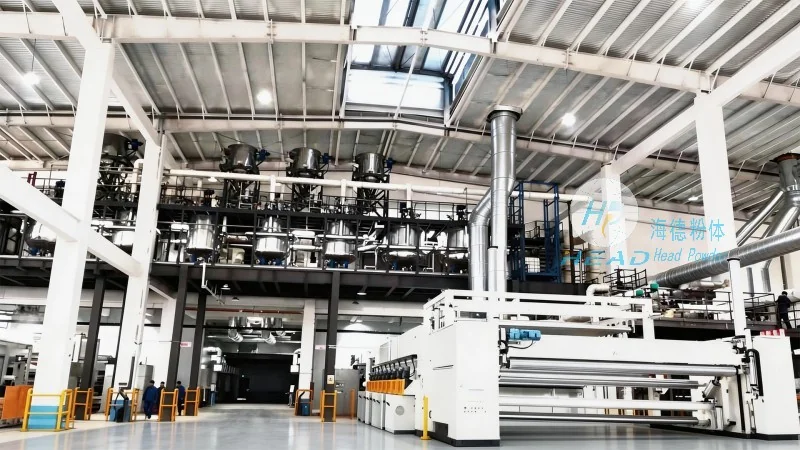
When selecting a conveying method for dust collection ash, several factors must be carefully evaluated. The ash's physical properties, such as particle size, moisture content, and abrasiveness, play a crucial role in determining the most suitable system. The distance to be covered and the required throughput also influence the choice, as does the available space and budget. Additionally, the need for environmental control, such as dust suppression or containment, may impact the system design. It is essential to conduct a thorough analysis of these factors to ensure the selected conveying method is efficient, reliable, and cost-effective.
Conclusion
Dust collection ash conveying is a critical component of industrial operations, and the choice of conveying method significantly impacts system performance and operational costs. Pneumatic, mechanical, and hybrid systems each offer unique advantages and are suitable for different scenarios. By considering the specific characteristics of the ash and the operational requirements, industrial facilities can select the most appropriate conveying system to ensure efficient and safe transport. For businesses seeking reliable solutions for dust collection ash conveying, Shandong HeadPowder Engineering Co., Ltd. provides expert consultation and customized systems tailored to meet the unique needs of each application.

 Công ty TNHH Kỹ thuật Công trình Bột Hải Đức Sơn Đông
 156-6277-7102(Quản lý Trương)
  0531-83386006
  Quận Chương Khâu, Thành phố Tế Nam, Tỉnh Sơn Đông, Trung Quốc
Điện thoại
WeChatTư vấn
Lên đầu