Công ty Hải Đức Bột với hơn 10 năm kinh nghiệm vận chuyển khí, cung cấp hệ thống‑thiết bị‑quạt gió và nhận dự án tổng thầu bột cả nước
Calcium fluoride, also known as fluorspar, is a widely used industrial mineral with applications in various sectors such as metallurgy, glass manufacturing, and chemical production. The efficient and safe transportation of calcium fluoride is crucial for industrial operations, as it directly impacts production efficiency and operational safety. This article explores the different methods available for calcium fluoride transportation, highlighting key considerations and practical applications.
About Shandong HeadPowder Engineering Co., Ltd.
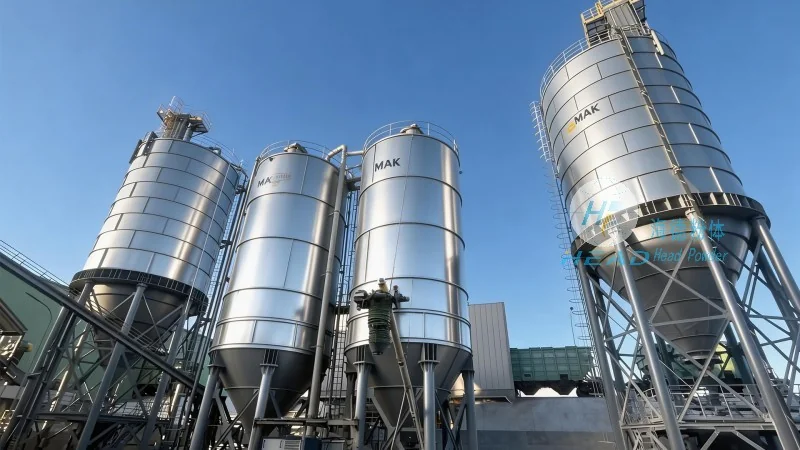
HeadPowder, the professional provider of industrial solutions, specializes in the handling and transportation of various bulk materials, including calcium fluoride. With a strong commitment to quality and safety, Shandong HeadPowder Engineering Co., Ltd. offers tailored solutions to meet the diverse needs of industrial clients. The company is headquartered in Shandong, China, and has established itself as a reliable partner in the field of bulk material handling.
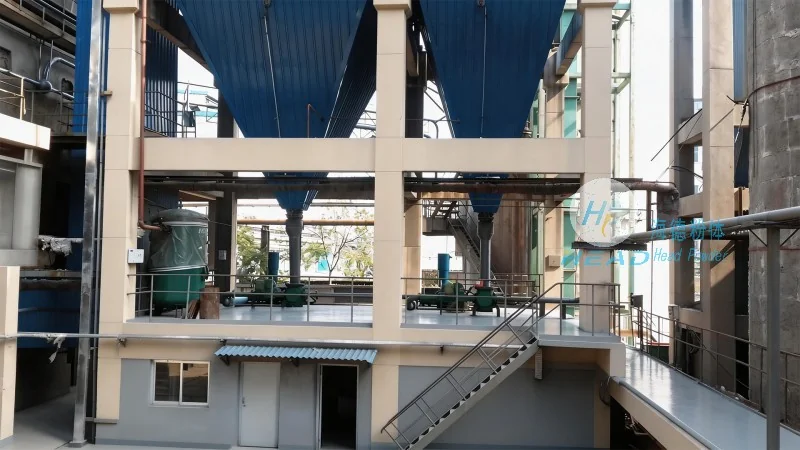
Pipeline Transportation for Calcium Fluoride
Pipeline transportation is a common and efficient method for moving calcium fluoride, especially in large-scale industrial settings. This method involves the use of closed pipelines to transport the material from the storage or production site to the processing plant. The system typically includes a series of components such as hoppers, feeders, and pumps to ensure smooth and continuous flow. For calcium fluoride, which can be abrasive and corrosive to some materials, special materials like stainless steel or lined pipes are often used to prevent wear and damage. The pipeline system can be designed for both solid and slurry forms, depending on the specific requirements of the application. This method offers advantages such as reduced labor costs, minimized material loss, and improved safety by eliminating the need for manual handling. However, it requires significant initial investment and regular maintenance to ensure optimal performance.
Pumping Systems for Calcium Fluoride Handling
Pumping is another effective method for transporting calcium fluoride, particularly when dealing with slurries or wet materials. The choice of pump depends on the properties of the calcium fluoride, such as its particle size, density, and moisture content. Centrifugal pumps are commonly used for slurry applications, as they can handle high volumes of material with relatively low maintenance. Positive displacement pumps, like gear or piston pumps, are suitable for more viscous or abrasive slurries, providing consistent flow rates. The pump system is usually integrated with a closed loop or a series of tanks to control the flow and prevent clogging. Proper sealing and lubrication are essential to prevent contamination and ensure the longevity of the equipment. This method is particularly useful in applications where the material needs to be transported over longer distances or to elevated locations, such as in processing plants. The use of appropriate pumps and accessories, such as strainers and filters, helps maintain the quality of the calcium fluoride and prevents damage to the pump components.
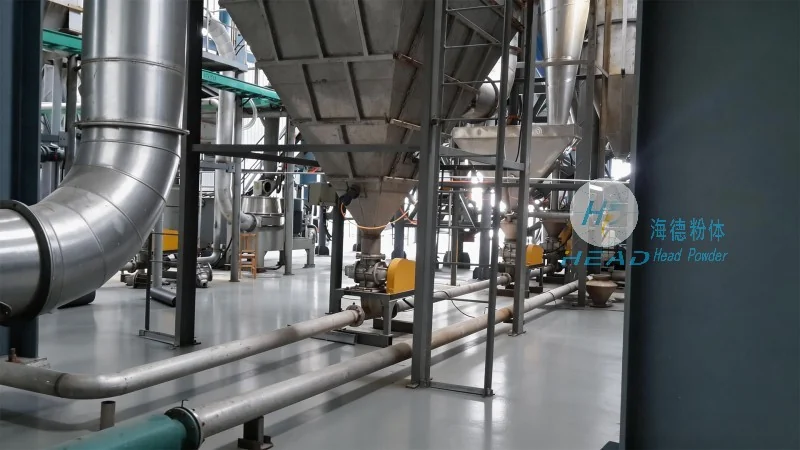
Air-Driven (Pneumatic) Conveying for Calcium Fluoride
Air-driven or pneumatic conveying is a versatile method for transporting calcium fluoride, especially in applications where dust control and flexibility are important. This system uses compressed air to move the material through a series of pipes. There are two main types of pneumatic conveying: dilute phase and dense phase. Dilute phase systems use low air velocity to transport the material in a relatively dispersed state, suitable for short to medium distances. Dense phase systems use higher air velocity and lower air-to-material ratios to move the material in a more concentrated form, ideal for longer distances and more abrasive materials. The choice between these systems depends on factors such as the distance, material characteristics, and desired flow rate. Pneumatic conveying offers advantages such as low maintenance, the ability to handle fine powders, and the option to integrate with other processing equipment. However, it requires a reliable air supply and may generate more dust compared to other methods, necessitating proper filtration and dust collection systems. The system also needs to be designed to prevent blockages and ensure consistent flow, which can be achieved through proper hopper design and air flow control.
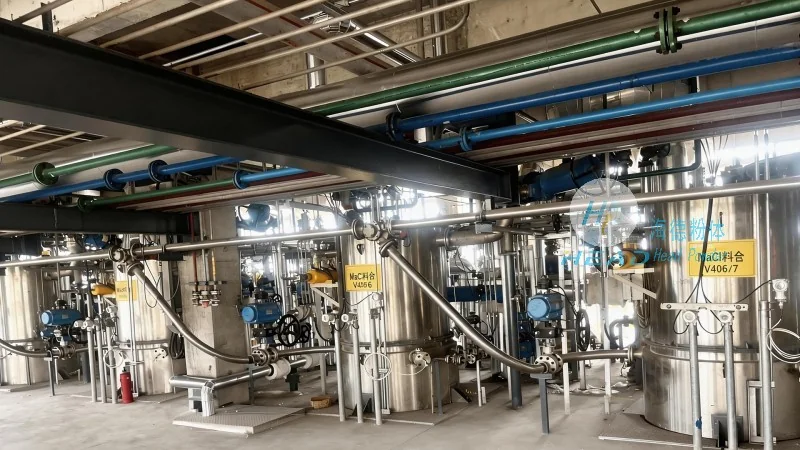
Mechanical Conveying Methods for Calcium Fluoride
Mechanical conveying methods, such as belt conveyors and screw conveyors, are widely used for calcium fluoride transportation, especially in bulk handling operations. Belt conveyors are suitable for moving large quantities of material over short to medium distances, with the material placed on a moving belt that transports it to the desired location. Screw conveyors, also known as augers, are effective for vertical or inclined transport, as they use a rotating screw to push the material forward. These systems are often used in combination with other equipment, such as hoppers and feeders, to form a complete material handling system. The choice of mechanical conveyor depends on factors like the material's bulk density, flowability, and the required throughput. Proper maintenance, including regular cleaning and lubrication, is essential to prevent wear and ensure smooth operation. Mechanical conveying offers advantages such as low cost, simplicity, and the ability to handle a wide range of materials. However, it may not be suitable for very fine powders or highly abrasive materials, as they can cause excessive wear on the conveyor components. Additionally, the system may generate dust, requiring dust control measures to ensure safety and compliance with regulations.
Conclusion and Recommendations
Choosing the appropriate method for calcium fluoride transportation depends on several factors, including the scale of operation, material characteristics, distance, and budget. Pipeline transportation is ideal for large-scale, continuous operations, while pumping and pneumatic conveying are suitable for specific applications like slurry handling or dust control. Mechanical conveying offers a cost-effective solution for bulk handling. It is important to consider the long-term costs, including maintenance and operational expenses, when selecting a transportation method. Additionally, safety and environmental considerations should not be overlooked, as calcium fluoride can be hazardous if not handled properly. Shandong HeadPowder Engineering Co., Ltd. provides comprehensive solutions for calcium fluoride transportation, including system design, equipment selection, and installation services. With their expertise and commitment to quality, they can help industrial clients optimize their material handling processes and ensure efficient, safe, and cost-effective calcium fluoride transportation.

 Công ty TNHH Kỹ thuật Công trình Bột Hải Đức Sơn Đông
 156-6277-7102(Quản lý Trương)
  0531-83386006
  Quận Chương Khâu, Thành phố Tế Nam, Tỉnh Sơn Đông, Trung Quốc
Điện thoại
WeChatTư vấn
Lên đầu