Công ty Hải Đức Bột với hơn 10 năm kinh nghiệm vận chuyển khí, cung cấp hệ thống‑thiết bị‑quạt gió và nhận dự án tổng thầu bột cả nước
When it comes to the efficient and reliable transport of resin powder, selecting the right conveying method is crucial for maintaining product quality and operational efficiency. Resin powder, often used in various industrial applications such as coatings, adhesives, and composites, requires specialized handling due to its fine particle size and potential for static charge accumulation. Understanding the different conveying methods available can help businesses optimize their production processes and ensure consistent performance.
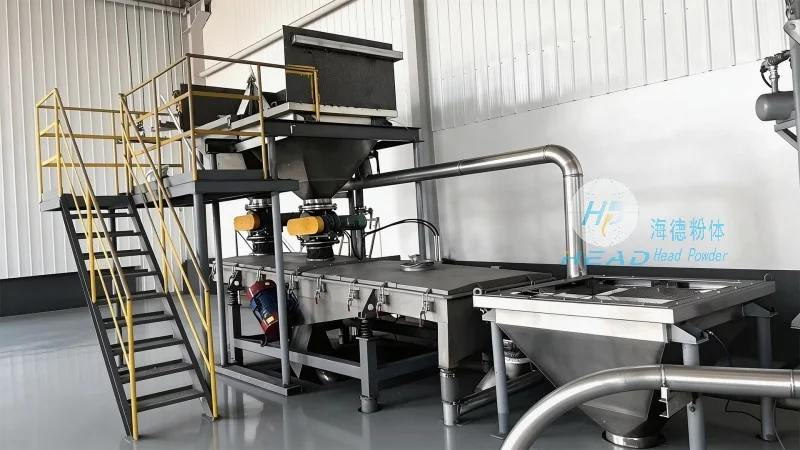
Overview of Resin Powder Conveying
Resin powder conveying involves the movement of dry, granular resin materials from storage to processing equipment. The primary goal is to achieve a consistent flow rate while minimizing material degradation, dust generation, and equipment wear. Several methods are commonly employed in industrial settings, each with its own advantages and limitations. The choice of method depends on factors like the resin type, particle size, moisture content, and the distance over which the material needs to be transported.
Common Conveying Methods for Resin Powder
There are several established techniques for resin powder conveying, each tailored to specific operational requirements. The most widely used methods include pneumatic conveying, mechanical conveying, and hybrid systems. Each method has distinct characteristics that make it suitable for different applications.
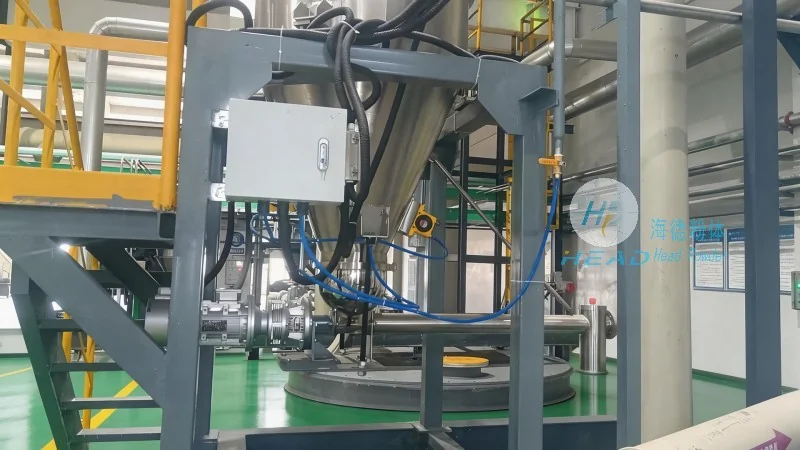
Pneumatic Conveying Systems
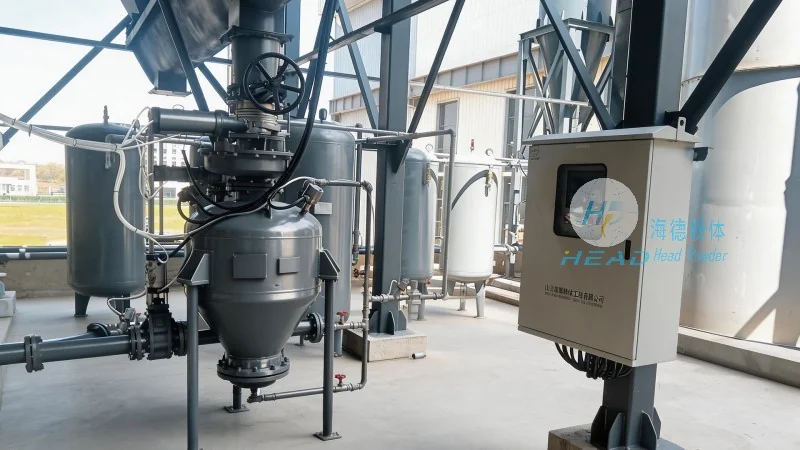
Pneumatic conveying, also known as air conveying, utilizes compressed air or other gases to transport resin powder through a pipeline. This method is particularly effective for handling fine powders and can be divided into two main categories: pressure and vacuum systems. Pressure systems use positive pressure to push the material through the line, while vacuum systems use negative pressure to pull it. Pneumatic conveying offers advantages such as low maintenance, the ability to handle long distances, and the integration of dust collection and material recovery. However, it may require higher energy input and can be susceptible to clogging if the powder is too fine or has high moisture content.
Mechanical Conveying Systems
Mechanical conveying methods rely on mechanical components like screws, belts, or buckets to move resin powder. Screw conveyors, for example, use rotating screws to push material along a trough, making them suitable for horizontal or slight incline transport. Belt conveyors are ideal for longer distances and can handle larger volumes of material. Mechanical systems are generally more cost-effective and easier to install compared to pneumatic systems. They are also less affected by material properties like moisture or static charge. However, they may experience wear and tear over time and are less effective for vertical or high-angle incline transport.
Hybrid Conveying Systems
Hybrid systems combine elements of both pneumatic and mechanical conveying to leverage the benefits of each approach. For instance, a combination of a screw conveyor and a pneumatic booster can enhance the transport of resin powder over longer distances or through complex layouts. These systems are often used in applications where a single method is insufficient, such as when dealing with high-volume, fine powders that require both efficient transport and dust control.
Factors Influencing Conveying Method Selection
The selection of a resin powder conveying method is influenced by several key factors. Particle size and density are critical, as finer particles may require more energy to transport and are more prone to clogging. Moisture content also plays a role, as higher moisture levels can lead to clumping and increased friction. The distance and layout of the conveying system, including vertical or horizontal components, affect the choice of equipment. Additionally, considerations such as material compatibility with the conveying components, environmental regulations regarding dust emission, and the need for dust collection or recovery systems must be taken into account.
Best Practices for Resin Powder Conveying
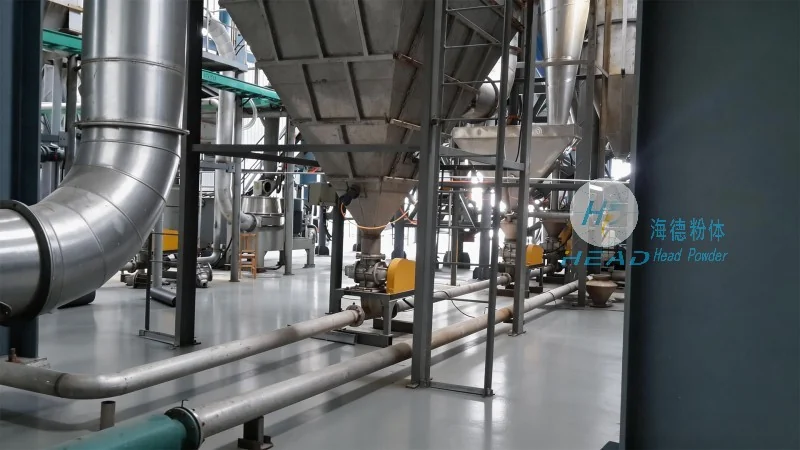
Implementing best practices can significantly improve the efficiency and reliability of resin powder conveying operations. Regular maintenance of conveying equipment is essential to prevent clogs and ensure consistent performance. Proper cleaning and lubrication of components can extend equipment life and reduce downtime. Additionally, monitoring material flow rates and pressure differentials can help identify potential issues before they become major problems. The use of appropriate filters and dust collection systems is crucial for maintaining a clean working environment and complying with environmental regulations. Finally, training operators on the proper handling and operation of conveying systems can enhance safety and operational efficiency.
Conclusion
Choosing the right resin powder conveying method is a critical decision for industrial operations. By considering factors such as particle characteristics, transport distance, and operational requirements, businesses can select a system that maximizes efficiency and minimizes costs. Whether opting for pneumatic, mechanical, or hybrid systems, the goal is to achieve reliable, consistent transport of resin powder while maintaining product quality and operational safety. With the right approach and equipment, resin powder conveying can be optimized to support the demands of modern industrial applications.

 Công ty TNHH Kỹ thuật Công trình Bột Hải Đức Sơn Đông
 156-6277-7102(Quản lý Trương)
  0531-83386006
  Quận Chương Khâu, Thành phố Tế Nam, Tỉnh Sơn Đông, Trung Quốc
Điện thoại
WeChatTư vấn
Lên đầu