Công ty Hải Đức Bột với hơn 10 năm kinh nghiệm vận chuyển khí, cung cấp hệ thống‑thiết bị‑quạt gió và nhận dự án tổng thầu bột cả nước
When it comes to the transportation of molybdenum concentrate powder, selecting the right conveying method is crucial for ensuring efficiency, safety, and cost-effectiveness in industrial operations. Molybdenum concentrate, a key raw material in various industries including steelmaking and chemical production, requires specialized handling due to its fine particle size and potential for dust generation. The choice of conveying method depends on factors such as the material's properties, the distance to be covered, the required throughput, and the environmental considerations of the facility. In this article, we explore several effective methods for conveying molybdenum concentrate powder, highlighting their advantages and applications.
1. Screw Conveyors for Molybdenum Concentrate Powder
Screw conveyors, also known as auger conveyors, are widely used for the horizontal or slight inclined transport of molybdenum concentrate powder. These systems consist of a rotating helical screw inside a U-shaped or cylindrical housing. The screw rotates, pushing the material forward as it moves through the conveyor. For molybdenum concentrate, screw conveyors are particularly effective when the material is dry and free-flowing, as they can handle fine powders without the need for additional equipment like hoppers or feeders. The design of the screw, including its pitch and diameter, can be customized to match the specific characteristics of the molybdenum concentrate, ensuring optimal performance. One of the key advantages of screw conveyors is their ability to operate in a closed system, which helps in controlling dust and preventing material loss. This is especially important for molybdenum concentrate, which can be hazardous if inhaled. Additionally, screw conveyors are relatively simple in structure, making them easy to install and maintain. They are suitable for short to medium distances, typically up to 30 meters, and can handle capacities ranging from a few tons per hour to several hundred tons per hour, depending on the design and power of the system. However, screw conveyors may not be ideal for very fine or cohesive powders, as they can experience blockages or reduced efficiency. In such cases, other methods like pneumatic conveying might be more appropriate.
2. Pneumatic Conveying Systems for Molybdenum Concentrate Powder
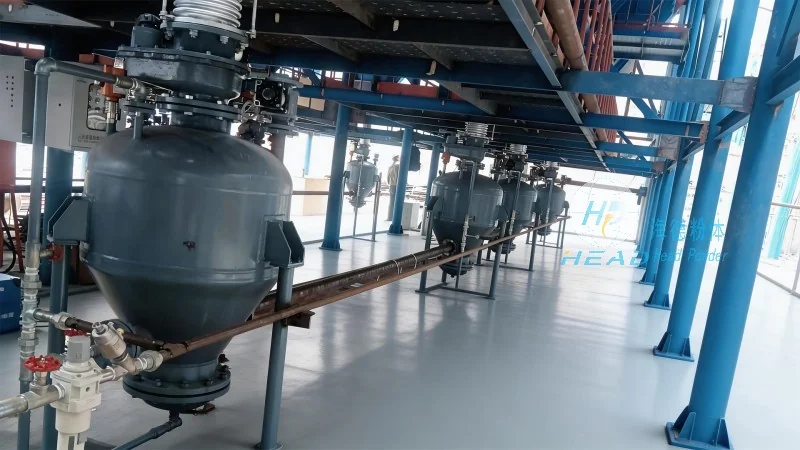
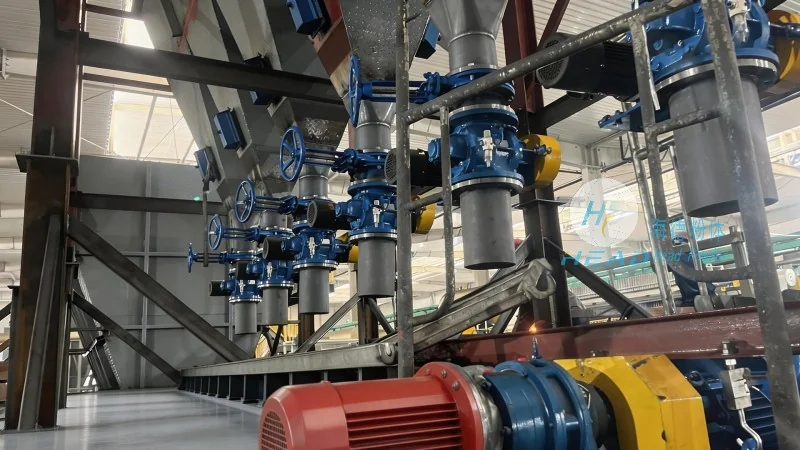
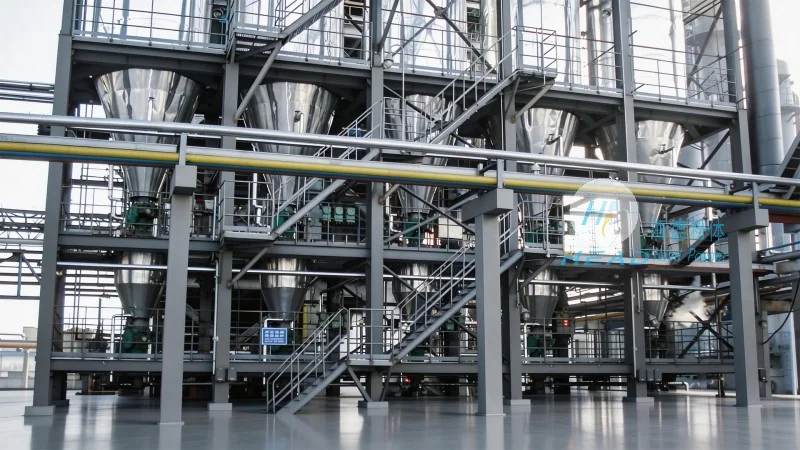
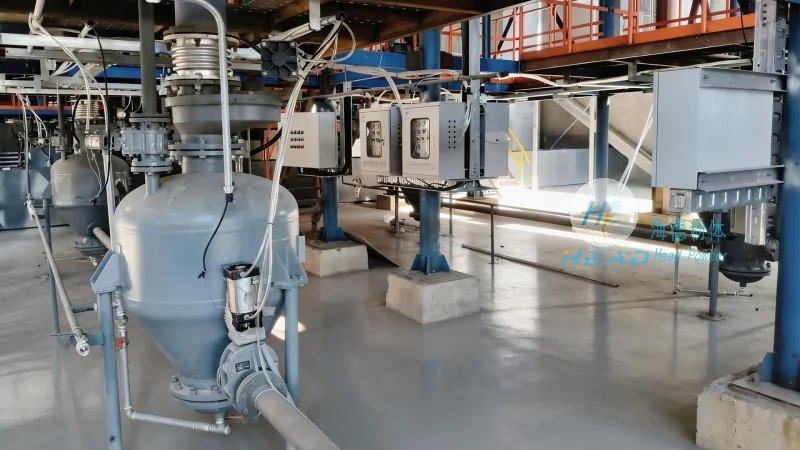
Pneumatic conveying, or air-based transport, is another popular method for moving molybdenum concentrate powder, especially over longer distances or in applications where dust control is a priority. This method involves transporting the material using a stream of air, which can be either positive pressure (where air is blown into the system) or negative pressure (where air is sucked out). Positive pressure systems are commonly used for conveying molybdenum concentrate from a storage silo to a processing plant, as they can handle longer distances and higher capacities. The system typically includes a hopper, a rotary valve, a conveyor line, and a dust collector. The molybdenum concentrate is fed into the hopper, then discharged into the conveyor line through the rotary valve. The air is then introduced, creating a flow that carries the powder through the line to the destination. Pneumatic conveying offers several benefits for molybdenum concentrate. First, it provides excellent dust control, as the material is contained within the system and does not come into direct contact with the environment. This reduces the risk of inhalation and environmental contamination. Second, it allows for the transport of material over long distances, up to several hundred meters or even kilometers, without the need for multiple transfer points. Third, it can handle a wide range of particle sizes and moisture contents, making it versatile for different types of molybdenum concentrate. However, pneumatic conveying systems can be more complex and expensive to install and maintain compared to screw conveyors. They require a reliable air supply system and may need regular cleaning to prevent blockages. Additionally, the energy consumption is higher, as the system needs to overcome the resistance of the air and the material in the line. The choice of positive or negative pressure depends on the specific application. Positive pressure systems are generally preferred for conveying molybdenum concentrate from a central storage facility to multiple processing points, as they can distribute the material efficiently to different locations. Negative pressure systems are more suitable for applications where the material needs to be transported from a processing point back to a storage silo, as they can capture any dust or particles that might be released during the process.
3. Belt Conveyors for Molybdenum Concentrate Powder
Belt conveyors are a classic and widely used method for transporting molybdenum concentrate powder, particularly in large-scale industrial operations where high throughput and long distances are involved. These systems consist of a continuous belt that moves over a series of rollers or idlers, with the material placed on top of the belt and carried along the path. Belt conveyors are highly efficient for moving large quantities of molybdenum concentrate, with capacities ranging from several hundred tons per hour to several thousand tons per hour, depending on the width and speed of the belt. They are suitable for both horizontal and inclined transport, and can be designed to handle different angles of inclination, up to 30 degrees or more, depending on the material's characteristics. One of the main advantages of belt conveyors is their ability to handle a wide range of material types, including fine powders like molybdenum concentrate, without causing excessive wear or damage. The belt material is typically chosen based on the properties of the material being conveyed, such as its abrasiveness and moisture content. For molybdenum concentrate, a belt made of rubber or a similar material with good grip and resistance to abrasion is often used. Belt conveyors are also relatively simple and reliable, with a long service life if properly maintained. They can be integrated with other equipment, such as feeders and classifiers, to form a complete material handling system. However, belt conveyors require a significant amount of space and may not be suitable for very fine or cohesive powders, as they can experience slip or material buildup on the belt. In such cases, other methods like screw or pneumatic conveying might be more effective. Additionally, belt conveyors can generate dust, especially when the material is dry and fine, which may require additional dust control measures. Overall, belt conveyors are an excellent choice for large-scale molybdenum concentrate transport, offering high efficiency and reliability.

 Công ty TNHH Kỹ thuật Công trình Bột Hải Đức Sơn Đông
 156-6277-7102(Quản lý Trương)
  0531-83386006
  Quận Chương Khâu, Thành phố Tế Nam, Tỉnh Sơn Đông, Trung Quốc
Điện thoại
WeChatTư vấn
Lên đầu