Công ty Hải Đức Bột với hơn 10 năm kinh nghiệm vận chuyển khí, cung cấp hệ thống‑thiết bị‑quạt gió và nhận dự án tổng thầu bột cả nước
When it comes to transporting aluminum batteries, selecting the right method is crucial for ensuring safety, efficiency, and compliance with industry standards. Aluminum batteries, known for their lightweight and high energy density, are widely used in various applications. However, their transportation requires careful consideration of handling procedures and equipment to prevent damage or hazards. This article explores the primary methods used for aluminum battery transportation, providing insights into each approach and its suitability for different scenarios.
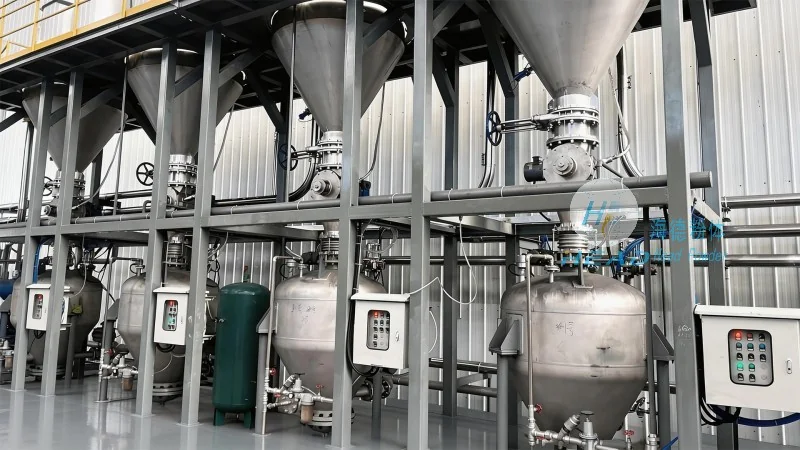
Understanding Aluminum Batteries and Their Transportation Requirements
Aluminum batteries, or aluminum-ion batteries, utilize aluminum as the anode material. They are valued for their low cost, long cycle life, and environmental advantages compared to traditional lithium-ion batteries. Despite these benefits, their transportation is subject to specific regulations due to potential risks like thermal runaway or short circuits. To ensure safe transport, adherence to established guidelines and proper equipment is essential.
Common Aluminum Battery Transportation Methods
Several methods are commonly employed for aluminum battery transportation, each suited to different needs. The choice depends on factors such as battery size, quantity, destination, and transport mode (road, rail, or air). The primary methods include:
1. Palletized Shipping with Protective Packaging
Palletized shipping is widely used for bulk aluminum batteries. This involves placing individual battery packs on a pallet, securing them with straps or shrink wrap, and loading the pallet into a shipping container or truck. Protective packaging, like foam inserts or custom molded cases, prevents physical damage and vibration. Ideal for road and rail transport, it allows efficient loading and unloading of multiple units.

2. Containerized Transport for International Shipping
Containerized shipping is standard for international aluminum battery transport. Batteries are placed in specialized containers meeting hazardous material regulations. These containers protect against temperature fluctuations and mechanical stress, often with monitoring systems. Preferred for long-distance routes, it combines well with sea freight for global delivery.
3. Specialized Vehicle Transport for High-Value or Sensitive Batteries
Specialized vehicles, equipped with temperature control and vibration reduction, are used for high-value or sensitive aluminum batteries. These vehicles often include tracking devices to monitor battery condition. Suitable for urgent or time-sensitive deliveries, this method ensures careful handling.
4. Rail Transport for Bulk and Long-Distance Moves
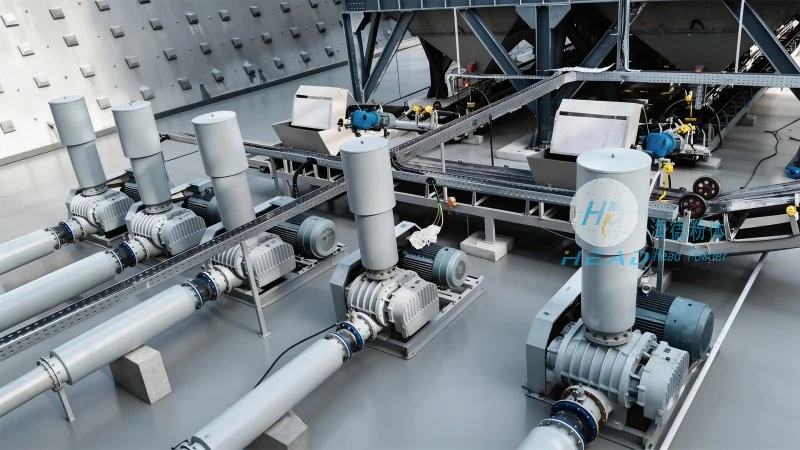
Rail transport is cost-effective for large-scale aluminum battery shipments. Batteries are loaded onto railcars, handling long distances efficiently. It requires secure fastening and protection from train vibrations, making it ideal for intercity or interstate moves.
5. Air Freight for Urgent or High-Priority Deliveries
Air freight is the fastest option for urgent aluminum battery deliveries. Batteries are loaded into specialized cargo containers with temperature control and monitoring systems. Though the most expensive, it offers quick delivery for short or international routes where speed is critical.
Best Practices for Aluminum Battery Transportation
Following best practices is vital for safe aluminum battery transport. These include:
1. Proper labeling and documentation: Batteries must be clearly labeled with hazard warnings and shipping details (e.g., UN number, proper shipping name). Documentation like shipping manifests and permits is required.
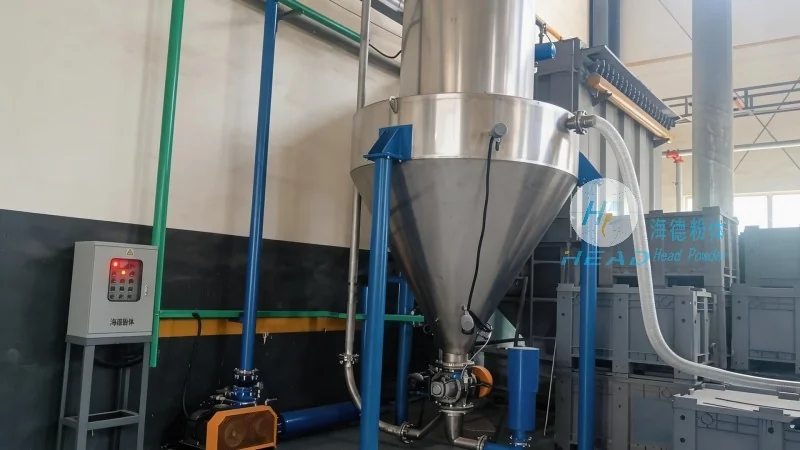
2. Temperature control: Aluminum batteries are sensitive to temperature. Temperature-controlled containers or vehicles maintain optimal operating conditions, preventing performance or safety issues.
3. Secure packaging: Batteries should be securely packaged to prevent movement during transit, avoiding damage or short circuits. Protective packaging absorbs shocks and vibrations.
4. Regular monitoring: During transit, batteries are monitored for overheating, swelling, or abnormalities. Remote monitoring or periodic checks by carriers ensure early detection of issues.
5. Compliance with regulations: All transport must follow local, national, and international hazardous material regulations. This includes obtaining necessary permits and adhering to guidelines from organizations like the International Air Transport Association (IATA) and the International Maritime Organization (IMO).
Conclusion
Transporting aluminum batteries requires careful planning and adherence to industry standards to ensure safety and efficiency. The choice of method depends on quantity, destination, and urgency. By selecting the appropriate method and following best practices, businesses can ensure aluminum batteries arrive at their destination in optimal condition and meet all regulatory requirements. Shandong HeadPowder Engineering Co., Ltd., a leading provider of aluminum battery transportation solutions, offers comprehensive services tailored to meet industry needs. With years of experience, the company ensures all transportation methods adhere to the highest safety and regulatory standards. Whether you need palletized shipping, containerized transport, or specialized vehicle transport, HeadPowder provides reliable and efficient solutions to get your aluminum batteries to their destination safely and on time.

 Công ty TNHH Kỹ thuật Công trình Bột Hải Đức Sơn Đông
 156-6277-7102(Quản lý Trương)
  0531-83386006
  Quận Chương Khâu, Thành phố Tế Nam, Tỉnh Sơn Đông, Trung Quốc
Điện thoại
WeChatTư vấn
Lên đầu