Công ty Hải Đức Bột với hơn 10 năm kinh nghiệm vận chuyển khí, cung cấp hệ thống‑thiết bị‑quạt gió và nhận dự án tổng thầu bột cả nước
When it comes to the efficient handling and transportation of white bean flakes, selecting the right method is crucial for maintaining product quality and operational efficiency. As a leading provider in the industry, Shandong HeadPowder Engineering Co., Ltd. offers a range of solutions tailored to meet diverse processing needs. This article explores the various methods available for transporting white bean flakes, highlighting the advantages and considerations for each approach.
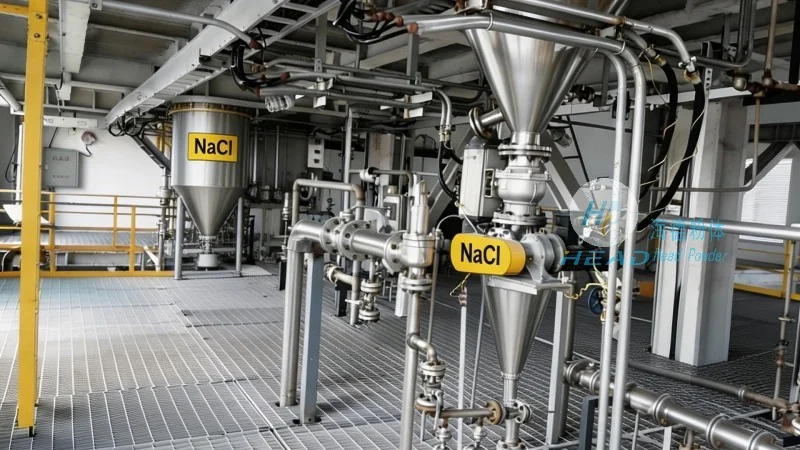
1. Conveying Systems: The Core of Efficient Transport
Conveying systems are among the most common and effective methods for transporting white bean flakes. These systems utilize mechanical components such as belts, chains, or screws to move the product through a production line. For white bean flakes, which are typically lightweight and have a relatively uniform size, belt conveyors are often preferred due to their gentle handling and ability to maintain product integrity. The smooth surface of the conveyor belt minimizes friction and reduces the risk of damage to the flakes, ensuring that the final product remains in optimal condition. Additionally, conveyor systems can be integrated with other processing equipment, such as washing or drying units, to create a seamless workflow. This integration enhances overall efficiency and reduces the need for manual handling, which is particularly important for maintaining hygiene standards in food processing facilities.
2. Pneumatic Conveying: A Flexible and Versatile Option
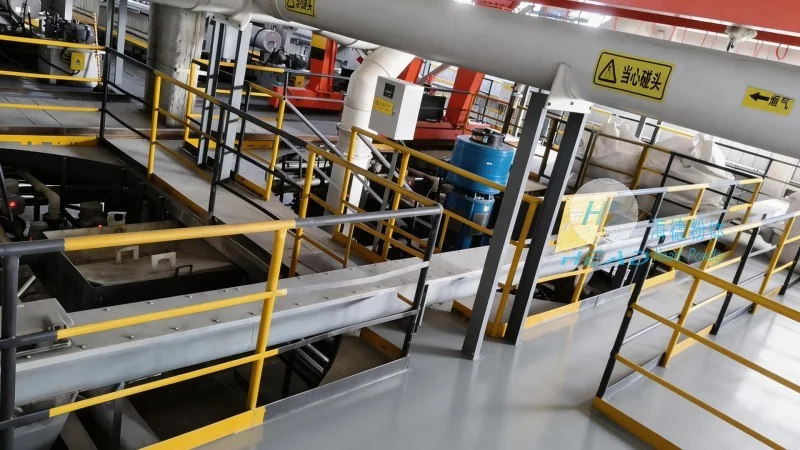
Pneumatic conveying systems use air or other gases to transport white bean flakes through a pipeline. This method is highly flexible and can be adapted to various production layouts, including vertical or horizontal transport. The primary advantage of pneumatic conveying is its ability to handle both dry and slightly moist materials without the need for additional equipment. By using pressure or vacuum to move the product, this system minimizes the risk of contamination and ensures a consistent flow rate. Pneumatic conveyors are particularly useful in applications where the white bean flakes need to be transported over long distances or through complex pathways, such as from a storage silo to a processing plant. However, it is important to consider the power requirements and maintenance needs of these systems, as they may require more energy and regular cleaning to prevent clogging.
3. Bucket Elevators: Vertical Transport Solutions
For vertical transportation of white bean flakes, bucket elevators are a reliable choice. These systems consist of a vertical or inclined conveyor with buckets attached to a chain or belt. As the buckets move up the elevator, they scoop up the white bean flakes and transport them to the desired height. Bucket elevators are ideal for applications where the product needs to be lifted to a higher level, such as from a ground-level storage area to a processing line on an upper floor. They are also capable of handling a wide range of material types, including those with varying moisture content or particle sizes. The enclosed design of bucket elevators helps to maintain product cleanliness and prevent dust or debris from escaping into the environment. This is especially important in food processing facilities, where hygiene is a top priority. Additionally, bucket elevators can be equipped with safety features, such as emergency stop mechanisms, to ensure operational safety.
4. Screw Conveyors: Continuous and Controlled Movement
Screw conveyors, also known as auger conveyors, use a rotating screw to move white bean flakes through a tube or trough. This method is suitable for both horizontal and inclined transport and is particularly effective for materials that are free-flowing and non-abrasive. The screw design allows for a continuous and controlled movement of the product, which helps to maintain a consistent flow rate and reduce the risk of material buildup. Screw conveyors are often used in applications where the white bean flakes need to be transported over short to medium distances, such as from a processing unit to a packaging line. They are also easy to install and maintain, making them a cost-effective solution for many food processing operations. However, it is important to ensure that the screw speed and pitch are properly adjusted to prevent damage to the flakes and to maintain the desired throughput.
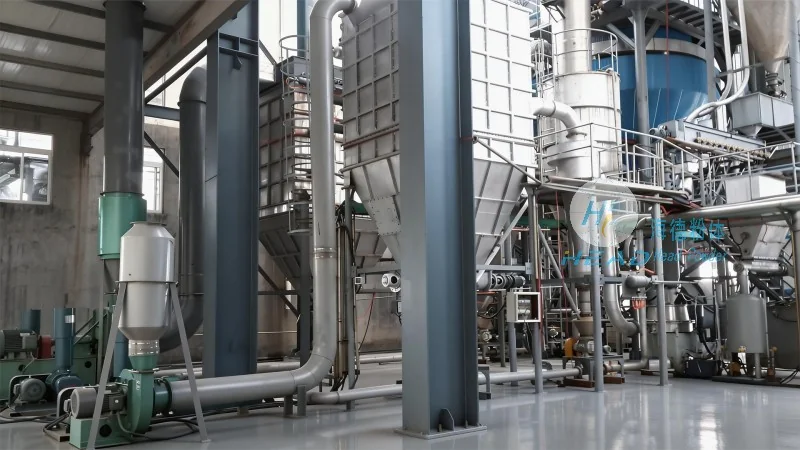
5. Vibrating Conveyors: Gentle and Uniform Transport
Vibrating conveyors use vibration to move white bean flakes along a trough or belt. This method is particularly gentle and is ideal for delicate materials that are prone to breakage or damage. The vibration helps to keep the product in motion without the need for high speeds or aggressive handling. Vibrating conveyors are often used in applications where the white bean flakes need to be transported over long distances or through multiple processing stages. They are also capable of handling materials with varying moisture content or particle sizes, as the vibration helps to prevent clogging and maintain a consistent flow. The enclosed design of vibrating conveyors helps to contain dust and debris, which is important for maintaining a clean and safe working environment. Additionally, these systems can be equipped with adjustable vibration settings to optimize the transport of different product types.
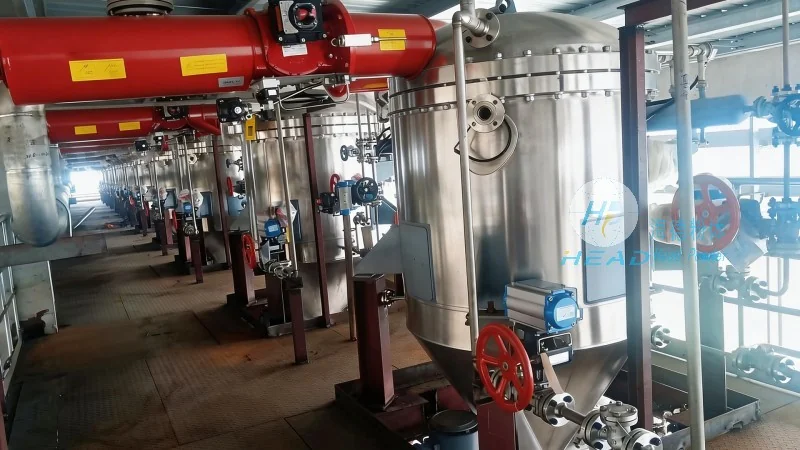
6. Choosing the Right Transport Method: Factors to Consider
When selecting a transport method for white bean flakes, several factors should be considered to ensure the best fit for the specific application. The first factor is the product characteristics, such as size, shape, moisture content, and abrasiveness. For example, if the white bean flakes are small and lightweight, a belt conveyor may be more suitable, while larger or more abrasive materials may require a screw or vibrating conveyor. The second factor is the distance and layout of the production facility. If the transport distance is short and the layout is simple, a screw or vibrating conveyor may be sufficient. However, for longer distances or complex layouts, pneumatic or bucket elevators may be more appropriate. The third factor is the required throughput and speed. The chosen method should be able to handle the desired production volume without causing bottlenecks or delays. Additionally, the cost of installation, operation, and maintenance should be considered, as these factors can significantly impact the overall efficiency and profitability of the operation.
7. The Role of Shandong HeadPowder Engineering Co., Ltd. in Transport Solutions
As a leading manufacturer and supplier of processing equipment, Shandong HeadPowder Engineering Co., Ltd. specializes in providing customized transport solutions for white bean flakes and other food products. The company's expertise in conveying systems, pneumatic conveying, and other transport technologies allows it to design and manufacture equipment that meets the specific needs of its clients. Whether a client requires a standard conveyor system or a customized solution for a unique production process, HeadPowder offers a range of options to ensure efficient and reliable transport. The company's commitment to quality and innovation has made it a trusted partner in the food processing industry, helping businesses to improve their operational efficiency and maintain product quality. With its headquarters in Shandong, China, HeadPowder leverages its local expertise and resources to deliver high-quality products and services to clients worldwide.

 Công ty TNHH Kỹ thuật Công trình Bột Hải Đức Sơn Đông
 156-6277-7102(Quản lý Trương)
  0531-83386006
  Quận Chương Khâu, Thành phố Tế Nam, Tỉnh Sơn Đông, Trung Quốc
Điện thoại
WeChatTư vấn
Lên đầu