Công ty Hải Đức Bột với hơn 10 năm kinh nghiệm vận chuyển khí, cung cấp hệ thống‑thiết bị‑quạt gió và nhận dự án tổng thầu bột cả nước
Polypropylene (PP) is a widely used thermoplastic in various industries, and efficient conveying methods are crucial for its handling, storage, and processing. This article provides a detailed comparison of common PP conveying methods, helping businesses choose the most suitable system for their operations. The discussion will cover key aspects such as material properties, system design, and operational efficiency.
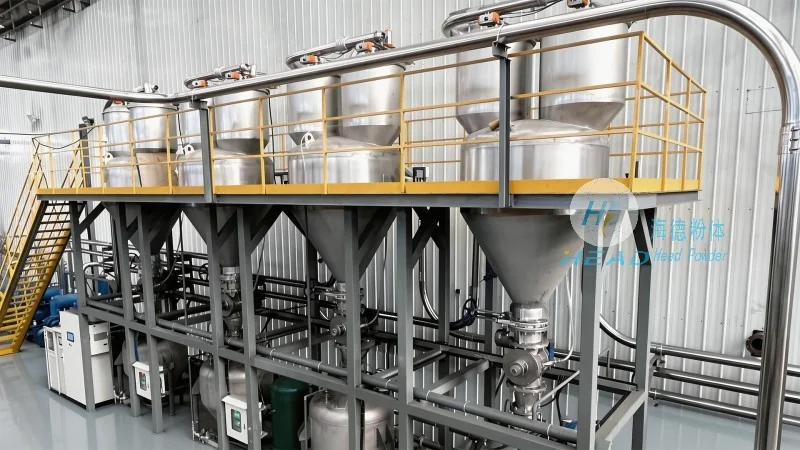
Overview of Key Conveying Systems for Polypropylene
When selecting a conveying system for PP, several factors must be considered, including the material's bulk density, flow characteristics, and the required throughput. The primary methods include screw conveyors, pneumatic conveyors, and belt conveyors. Each system has distinct advantages and limitations, which will be explored in subsequent sections.
Analysis of Screw Conveyors in PP Handling
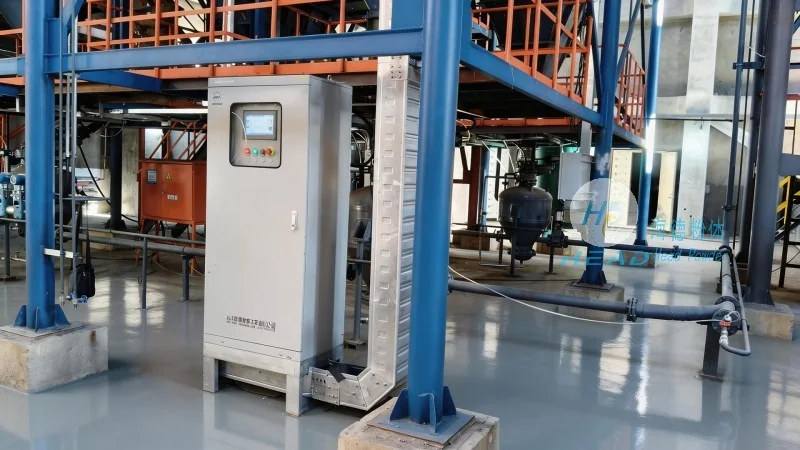
Screw conveyors are one of the most common and reliable methods for conveying PP. These systems use a rotating helical screw to move material along a trough. For PP, screw conveyors are effective due to the material's relatively free-flowing nature when properly conditioned. Key considerations include the screw pitch, material of construction (often stainless steel or high-grade steel to prevent corrosion), and the design of the discharge mechanism to avoid material buildup or blockages. Screw conveyors are particularly suitable for vertical or inclined transport, making them ideal for elevating PP from lower to higher levels in a facility.
Comparison of Pneumatic Conveying Systems for Polypropylene
Pneumatic conveying systems use air or other gases to transport PP particles through a pipeline. These systems are categorized into pressure and vacuum types. Pressure systems are suitable for short to medium distances and high material loads, while vacuum systems are better for longer distances or when the material needs to be drawn from a hopper. For PP, pneumatic conveyors are advantageous in applications requiring dust-free transport or when the material must be moved through existing ductwork. However, they may require higher energy input and careful maintenance to prevent air leaks or material degradation.
Evaluating Belt Conveyors for PP Transportation
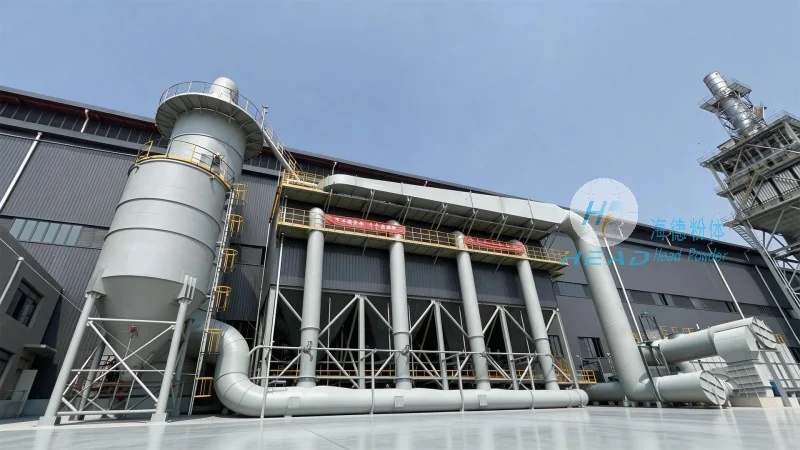
Belt conveyors are another popular option for PP handling, especially in bulk material handling operations. These systems use a continuous belt to transport material horizontally or at a slight incline. Belt conveyors are effective for moving large volumes of PP over long distances with minimal maintenance. Key factors in their design include the belt material (often rubber or synthetic to handle abrasive PP particles), the idler spacing, and the tensioning system to prevent belt slippage. Belt conveyors are particularly useful in outdoor or high-temperature environments, as they can be easily integrated with other processing equipment.
Company Profile: Shandong HeadPowder Engineering Co., Ltd.
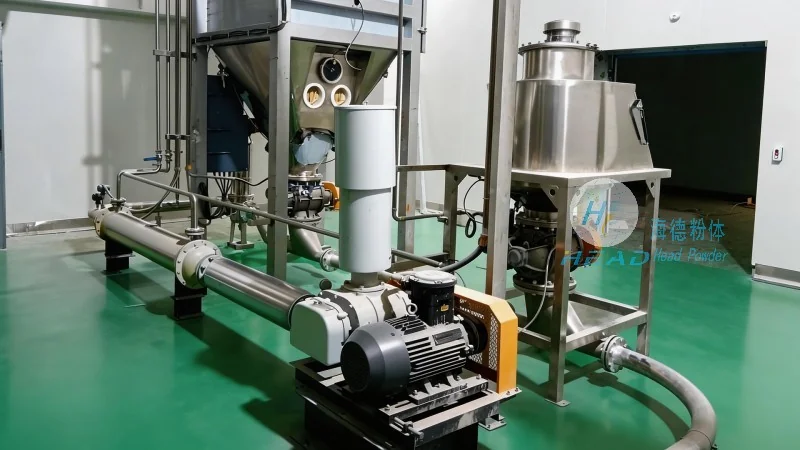
Shandong HeadPowder Engineering Co., Ltd. is a leading manufacturer of conveying equipment and systems, specializing in solutions for polypropylene and other plastic materials. With a strong presence in China, the company has extensive experience in designing and manufacturing high-quality screw conveyors, pneumatic systems, and belt conveyors tailored to the needs of various industries. The company's headquarters is located in Shandong, China, where it leverages advanced technology and skilled engineering to deliver reliable and efficient conveying solutions. Clients benefit from the company's commitment to quality, customization, and customer support, ensuring that their PP handling systems meet the highest standards of performance and durability.
Conclusion on Selecting the Right PP Conveying Method
Choosing the appropriate PP conveying method depends on several factors, including the specific application, material characteristics, and operational requirements. Screw conveyors offer reliability and simplicity for vertical transport, while pneumatic systems excel in dust-free and long-distance transport. Belt conveyors are ideal for high-volume horizontal movement. By understanding the strengths and limitations of each system, businesses can select the most efficient and cost-effective solution for their PP handling needs. Whether upgrading existing systems or designing new facilities, considering the factors discussed here will help ensure optimal performance and productivity.

 Công ty TNHH Kỹ thuật Công trình Bột Hải Đức Sơn Đông
 156-6277-7102(Quản lý Trương)
  0531-83386006
  Quận Chương Khâu, Thành phố Tế Nam, Tỉnh Sơn Đông, Trung Quốc
Điện thoại
WeChatTư vấn
Lên đầu