Công ty Hải Đức Bột với hơn 10 năm kinh nghiệm vận chuyển khí, cung cấp hệ thống‑thiết bị‑quạt gió và nhận dự án tổng thầu bột cả nước
When it comes to handling dry ash in industrial settings, selecting the right conveying method is crucial for efficiency, cost-effectiveness, and environmental compliance. Various technologies are available, each with distinct advantages and applications. This article provides a detailed comparison of common dry ash conveying methods, helping you make an informed decision for your specific needs. Shandong HeadPowder Engineering Co., Ltd., a leading provider of dry ash handling solutions based in Shandong, China, specializes in designing and implementing efficient conveying systems tailored to industrial requirements.
Introduction to Dry Ash Conveying
Dry ash, typically produced from power plants or industrial processes, requires reliable transportation from the source to disposal or treatment facilities. The choice of conveying method impacts operational performance, maintenance costs, and overall system reliability. Understanding the differences between available options is essential for optimizing your ash management system.
1. Pneumatic Conveying Systems
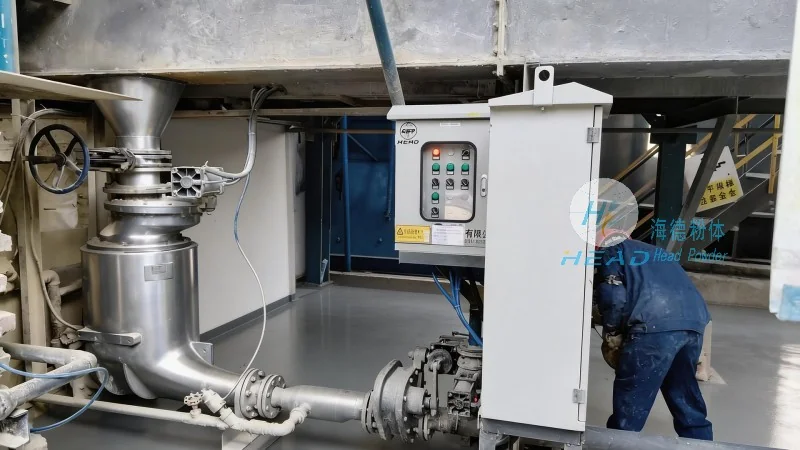
Pneumatic conveying, also known as air-based transport, uses compressed air or gas to move dry ash through a pipeline. This method is highly effective for long-distance transport and can handle fine or abrasive materials. There are two main types: positive pressure and negative pressure systems. Positive pressure systems push material through the line using air, while negative pressure systems pull material in. Pneumatic systems are known for their flexibility and ability to integrate with existing infrastructure, making them a popular choice for many facilities.
Key advantages of pneumatic conveying include high capacity, minimal maintenance, and the ability to transport ash over significant distances without the need for multiple transfer points. However, they may require higher energy input and can be less efficient for very fine or low-density materials. The system design, including pipeline diameter, air velocity, and material characteristics, is critical to ensure optimal performance.
2. Mechanical Conveying Systems
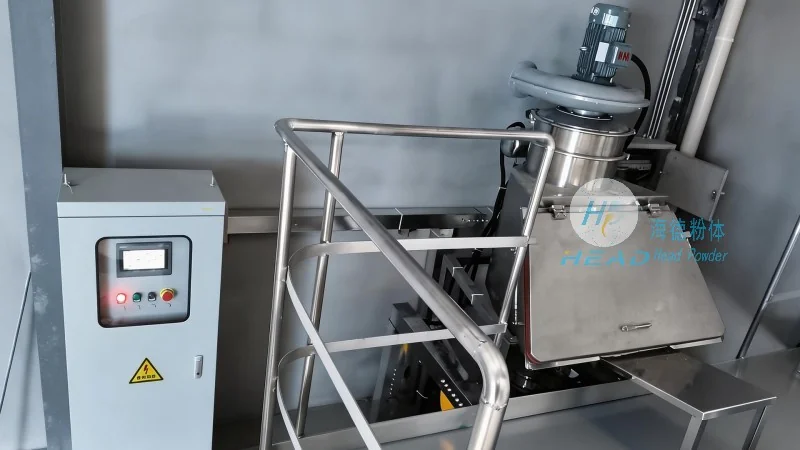
Mechanical conveying relies on physical components like belts, screws, or buckets to move dry ash. Belt conveyors are widely used for horizontal or slight incline transport, offering high capacity and durability. Screw conveyors are ideal for vertical or inclined transport, suitable for handling cohesive materials. Bucket elevators use buckets attached to a chain or belt to lift ash vertically, making them effective for vertical transport in power plants.
These systems are generally more cost-effective for short to medium distances and are less energy-intensive compared to pneumatic systems. However, they may have limitations in handling abrasive or fine materials, as components can wear out faster. Proper maintenance and material selection are essential to prevent downtime and extend the lifespan of mechanical conveyors.
3. Hydraulic Conveying Systems
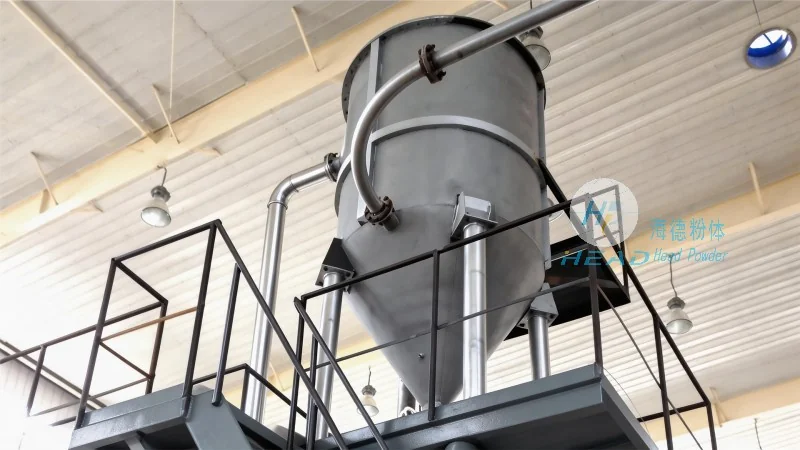
Hydraulic conveying uses water or slurry to transport dry ash, often in a mixed form. This method is particularly useful for transporting ash over long distances or through complex layouts. The ash is mixed with water to create a slurry, which is then pumped through pipelines. Hydraulic systems are effective for handling high volumes and can be integrated with existing water treatment systems.
Advantages of hydraulic conveying include high capacity and the ability to transport ash through pipelines with minimal pressure drop. However, they require additional equipment for slurry preparation and may involve higher water usage and disposal costs. The system must be designed to prevent clogging and ensure proper separation of ash and water at the destination.
4. Combination Systems
In some cases, a combination of conveying methods is used to optimize performance. For example, a pneumatic system might be used for the initial transport from the source to a central collection point, followed by a mechanical conveyor for the final delivery. This hybrid approach leverages the strengths of each method, reducing overall costs and improving efficiency.
Factors to Consider When Choosing a Conveying Method
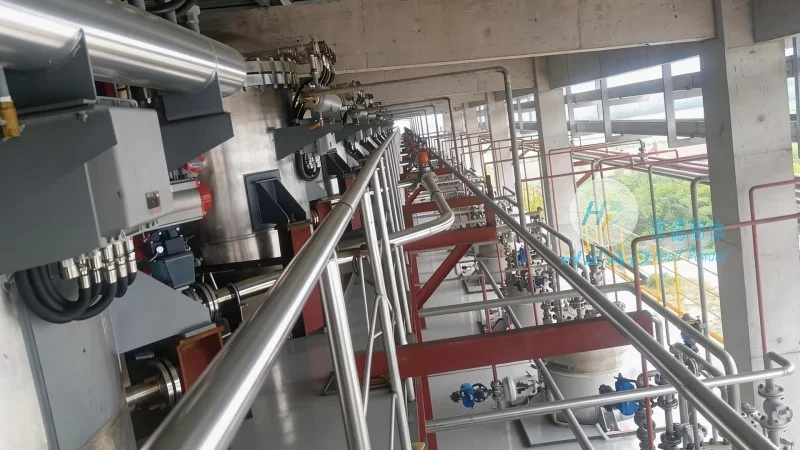
When selecting a dry ash conveying method, several factors must be evaluated. The distance between the ash source and destination is a primary consideration, as it influences the choice between pneumatic, mechanical, or hydraulic systems. Material characteristics, such as particle size, density, and abrasiveness, also play a significant role. For instance, fine or abrasive ash may require specialized equipment to prevent wear and ensure efficient transport.
Energy consumption and operational costs are critical factors for long-term sustainability. Pneumatic systems may have higher energy demands, while mechanical systems offer lower operating costs. Maintenance requirements and availability of spare parts are also important, as downtime can impact production and ash management efficiency.
Conclusion
Choosing the right dry ash conveying method depends on a combination of operational needs, material characteristics, and cost considerations. Pneumatic systems excel in long-distance transport and flexibility, while mechanical systems offer cost-effectiveness for shorter distances. Hydraulic systems are suitable for high-volume transport but require additional water management. By carefully evaluating these factors, you can select a conveying system that optimizes performance, reduces costs, and ensures compliance with environmental regulations.
Shandong HeadPowder Engineering Co., Ltd., a leading provider of dry ash handling solutions, offers comprehensive services and equipment tailored to your specific requirements. Our expertise in designing and implementing efficient conveying systems ensures that your ash management process is optimized for reliability and sustainability.

 Công ty TNHH Kỹ thuật Công trình Bột Hải Đức Sơn Đông
 156-6277-7102(Quản lý Trương)
  0531-83386006
  Quận Chương Khâu, Thành phố Tế Nam, Tỉnh Sơn Đông, Trung Quốc
Điện thoại
WeChatTư vấn
Lên đầu