Công ty Hải Đức Bột với hơn 10 năm kinh nghiệm vận chuyển khí, cung cấp hệ thống‑thiết bị‑quạt gió và nhận dự án tổng thầu bột cả nước
Graphite is a widely used material in various industrial applications due to its excellent electrical conductivity, thermal stability, and chemical resistance. When it comes to handling and transporting graphite, different methods are employed based on the specific requirements of the process, material characteristics, and operational conditions. This article provides a detailed comparison of common graphite conveying methods, highlighting their advantages, limitations, and typical applications.
Introduction to Graphite Conveying Methods
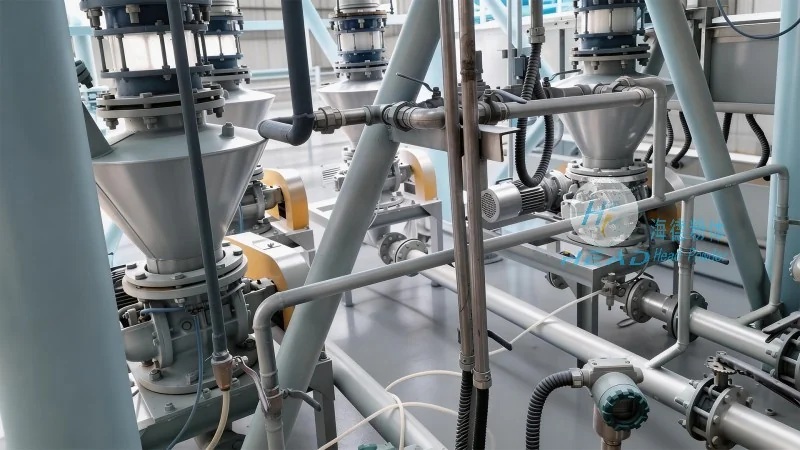
Effective graphite conveying is crucial for maintaining material integrity and ensuring smooth operation in processing plants. The choice of conveying method depends on factors such as the particle size distribution of graphite, the required throughput, the distance to be covered, and the need for contamination control. Common methods include screw conveyors, vibratory feeders, and pneumatic conveying systems. Each method has distinct characteristics that make it suitable for specific scenarios.
Screw Conveyors for Graphite Handling
Screw conveyors, also known as auger conveyors, are widely used for transporting graphite in bulk. These systems consist of a rotating helical screw inside a trough or tube, which moves material from the inlet to the outlet. The design of the screw (e.g., solid or ribbon) and the speed of rotation can be adjusted to control the flow rate and prevent material degradation. For graphite, screw conveyors are particularly effective when dealing with dry, free-flowing powders or granules. They are simple in structure, easy to install, and can operate in a variety of environments. However, they may not be suitable for very fine powders as they can cause excessive friction and heat generation, potentially affecting the material's properties. The throughput of screw conveyors for graphite typically ranges from a few hundred kilograms per hour to several tons per hour, depending on the screw diameter and speed.
Vibratory Feeders and Conveyors
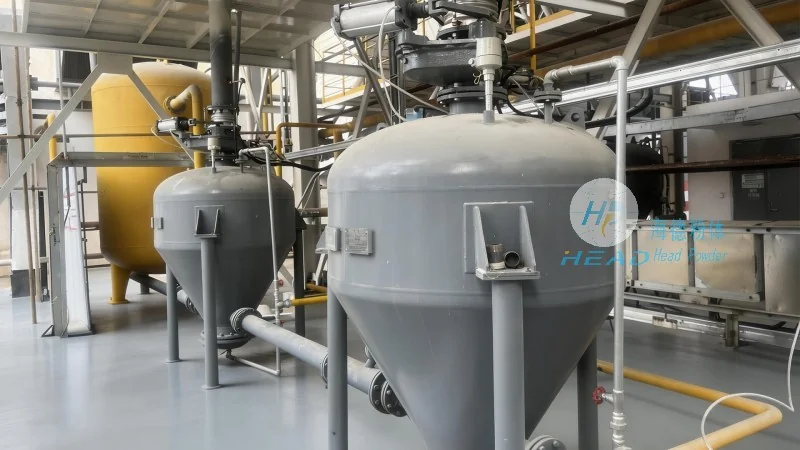
Vibratory feeders and conveyors use mechanical vibration to move graphite along a trough or belt. The vibration is generated by an unbalanced motor or electromagnetic drive, creating a sinusoidal motion that propels the material forward. This method is ideal for handling cohesive or sticky graphite materials, as the vibration helps to break up agglomerates and maintain a consistent flow. Vibratory systems are also effective for feeding graphite into processing equipment, such as mixers or extruders, where a controlled and uniform feed rate is required. They are relatively low maintenance and can operate continuously without the need for high speeds, reducing wear on the material and equipment. However, vibratory conveyors may not be suitable for very fine powders that can be carried away by the vibration, leading to loss of material. The capacity of vibratory feeders for graphite can vary significantly, from small batches to large-scale production lines, depending on the design and operating parameters.
Pneumatic Conveying Systems
Pneumatic conveying systems use air or other gases to transport graphite particles through a pipeline. These systems can be categorized into pressure and vacuum types, with pressure systems being more common for graphite applications. In a pressure system, compressed air is introduced at the inlet, creating a flow that carries the graphite particles through the pipeline to the discharge point. Pneumatic conveying is highly effective for transporting fine graphite powders over long distances, as it minimizes material degradation and contamination. The system can also be designed for both dilute and dense phase conveying, allowing flexibility in throughput and distance. However, pneumatic systems require higher energy input compared to mechanical conveyors and may need additional filtration to prevent dust accumulation. They are also more complex to install and maintain, as they involve components like air compressors, filters, and cyclone separators. The throughput of pneumatic conveying systems for graphite can range from a few kilograms per hour to several tons per hour, depending on the system design and operating pressure.
Comparison of Conveying Methods
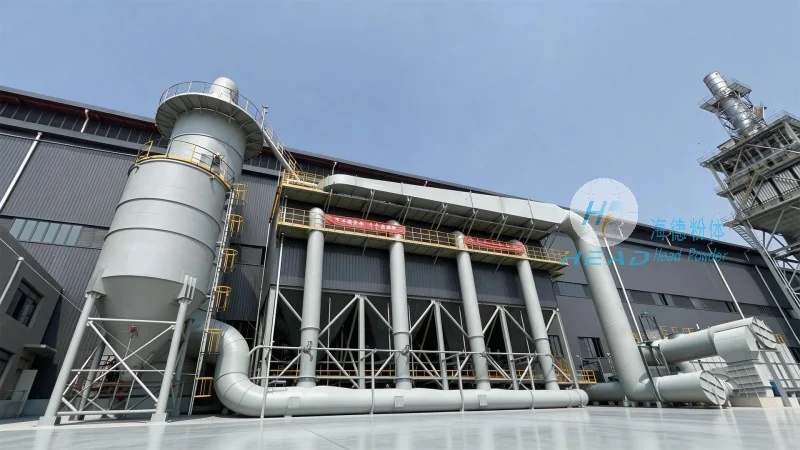
When selecting a graphite conveying method, it is essential to consider the specific characteristics of the material and the operational requirements. Screw conveyors are a cost-effective and reliable option for bulk handling of dry graphite, especially in applications where the material is free-flowing and not prone to degradation. Vibratory feeders are preferred for cohesive or sticky graphite, as they provide consistent feeding and can handle agglomerates effectively. Pneumatic conveying systems are ideal for fine powders and long-distance transport, offering high efficiency and minimal material loss. Each method has its own advantages and limitations, and the choice should be based on a thorough evaluation of the process needs, material properties, and operational constraints.
Conclusion
Graphite conveying methods play a critical role in the efficient and safe handling of this important industrial material. By understanding the characteristics of each method, manufacturers can select the most appropriate system to meet their specific requirements. Whether using screw conveyors, vibratory feeders, or pneumatic systems, proper design and maintenance are essential to ensure optimal performance and longevity. As the demand for graphite continues to grow in various industries, the development of advanced conveying technologies will further enhance the efficiency and reliability of graphite handling processes.

 Công ty TNHH Kỹ thuật Công trình Bột Hải Đức Sơn Đông
 156-6277-7102(Quản lý Trương)
  0531-83386006
  Quận Chương Khâu, Thành phố Tế Nam, Tỉnh Sơn Đông, Trung Quốc
Điện thoại
WeChatTư vấn
Lên đầu