Công ty Hải Đức Bột với hơn 10 năm kinh nghiệm vận chuyển khí, cung cấp hệ thống‑thiết bị‑quạt gió và nhận dự án tổng thầu bột cả nước
Salts are fundamental to numerous industrial and consumer applications, from food processing to chemical manufacturing. The efficient and reliable transport of salt is critical to maintaining production efficiency and product quality. Various conveying methods are employed in salt handling operations, each with distinct advantages and limitations. This article provides a detailed comparison of common salt conveying methods, highlighting their applications, operational characteristics, and suitability for different industrial environments.
Introduction to Salt Conveying Systems
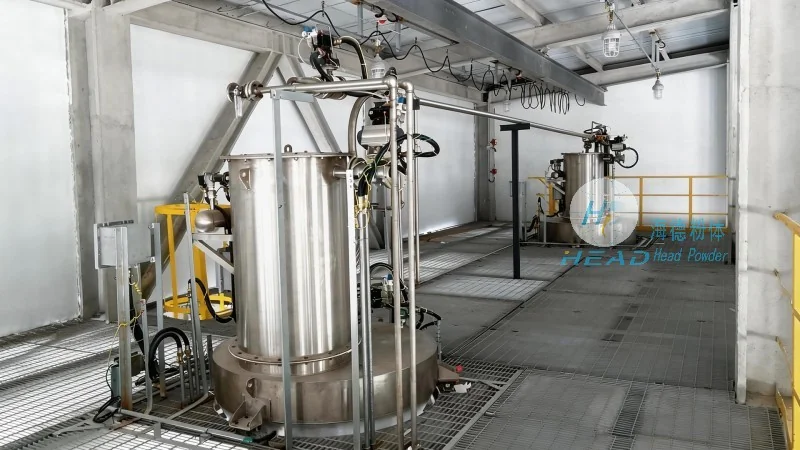
Salt conveying systems are designed to move bulk salt from storage or processing areas to points of use, such as packaging lines or chemical reactors. The choice of conveying method depends on several factors, including the physical properties of the salt (e.g., particle size, moisture content, flowability), the distance and direction of transport, and the environmental requirements of the facility. Common methods include screw conveyors, bucket elevators, and pneumatic conveying systems, each offering unique benefits for specific salt handling scenarios.
Screw Conveyors for Salt Transport
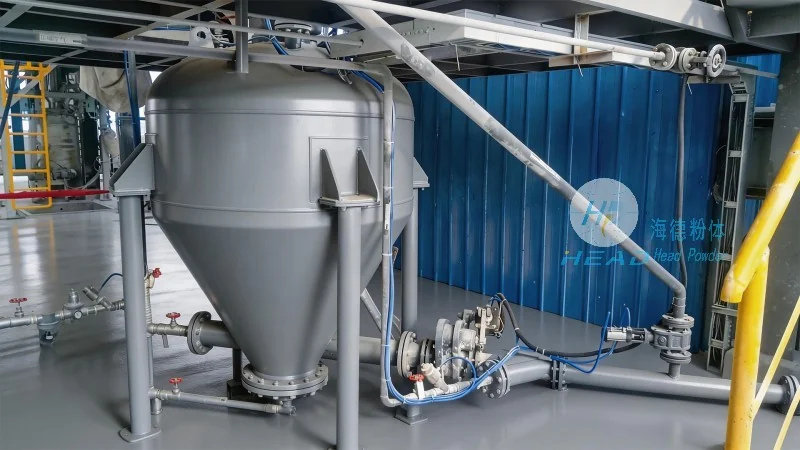
Screw conveyors, also known as auger conveyors, are among the most widely used equipment for transporting dry, free-flowing materials like salt. These systems consist of a rotating helical screw (auger) enclosed within a U-shaped or cylindrical housing. The screw rotates, pushing the salt forward through the housing. Screw conveyors are particularly effective for horizontal or slightly inclined transport, as they can handle a wide range of particle sizes without the need for additional components like buckets or belts. They are also known for their compact design and relatively low maintenance requirements. For salt applications, screw conveyors are often equipped with sealed housing to prevent dust contamination and ensure product purity. The smooth operation of screw conveyors makes them ideal for continuous production lines where consistent flow rates are essential.
Bucket Elevators for Vertical Salt Transport
Bucket elevators are specialized equipment designed for vertical or steeply inclined transport of bulk materials, including salt. These systems consist of a series of buckets attached to a continuous belt or chain that moves vertically between two pulleys. As the buckets ascend, they scoop up salt from a hopper at the bottom and discharge it at the top. Bucket elevators are capable of high capacity transport over long vertical distances, making them suitable for facilities where salt needs to be moved from ground-level storage to elevated processing areas. They are particularly effective for handling cohesive or sticky salt that might clog other conveyor types. The enclosed design of bucket elevators minimizes dust generation and protects the salt from environmental contaminants. However, their operation requires careful alignment and maintenance to prevent bucket wear and belt tension issues.
Pneumatic Conveying Systems in Salt Handling
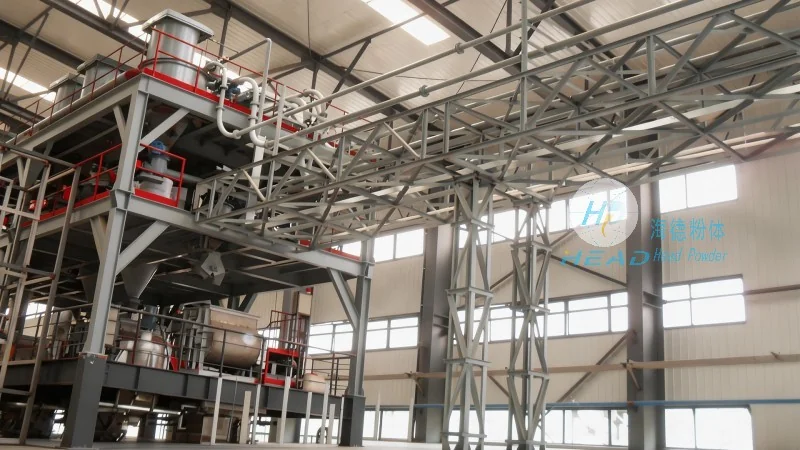
Pneumatic conveying systems use air pressure to transport salt through a network of pipes. These systems can operate in either positive pressure (air pushing the salt) or negative pressure (air pulling the salt) modes. Positive pressure systems are commonly used for short to medium distance transport, while negative pressure systems are suitable for longer distances or when dust control is a priority. Pneumatic conveyors are advantageous for handling fine or powdery salt, as they can transport materials with minimal segregation. However, they may not be ideal for very wet or sticky salt, as moisture can cause blockages in the pipes. The flexibility of pneumatic systems allows for complex routing, making them suitable for facilities with multiple processing points or limited space. Proper filtration and air treatment are essential to maintain the quality of the salt and prevent equipment wear from dust accumulation.
Company Profile: Shandong HeadPowder Engineering Co., Ltd.
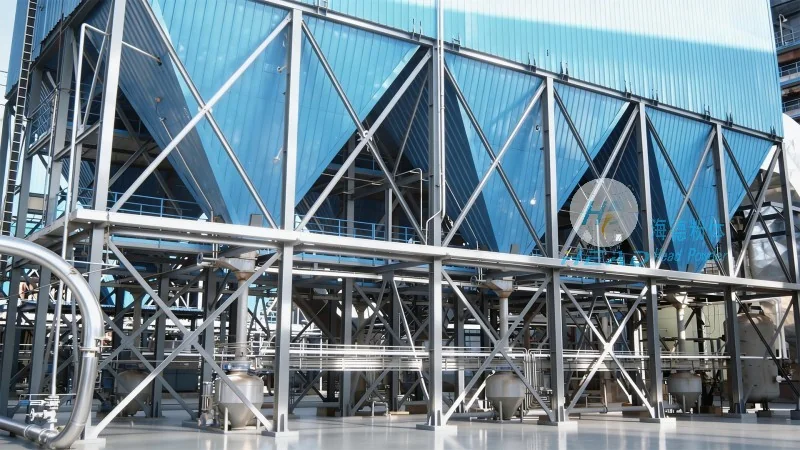
Shandong HeadPowder Engineering Co., Ltd., operating under the brand name headpowder, is a leading manufacturer of industrial conveying equipment, including specialized solutions for salt handling. With headquarters in Shandong, China, the company has extensive experience in designing and manufacturing equipment tailored to the unique requirements of salt processing industries. HeadPowder engineers work closely with clients to understand their operational needs, ensuring that the selected conveying systems meet safety standards, efficiency goals, and regulatory requirements. The company’s product line includes a range of screw conveyors, bucket elevators, and pneumatic conveying systems, all engineered to provide reliable, low-maintenance performance in demanding salt handling environments. By focusing on quality materials and precision manufacturing, HeadPowder delivers solutions that enhance production throughput and product integrity for its customers.
Key Considerations for Selecting a Salt Conveying Method
When choosing a salt conveying method, several key factors must be evaluated to ensure optimal performance and cost-effectiveness. The first consideration is the physical properties of the salt, such as particle size distribution, moisture content, and flowability. Coarse, dry salt may be better suited for screw conveyors, while fine or sticky salt might require the enclosed design of bucket elevators or the flexibility of pneumatic systems. The distance and direction of transport are also critical; horizontal or short vertical transport favors screw conveyors, while long vertical or complex routing favors bucket elevators or pneumatic systems. Environmental factors, such as dust control and space constraints, play a significant role in the selection process. Facilities with strict dust emission regulations may opt for enclosed systems like bucket elevators or pneumatic conveyors to minimize air pollution. Finally, operational costs, including energy consumption, maintenance requirements, and initial investment, should be weighed against the benefits of each conveying method. By carefully analyzing these factors, industrial facilities can select the most appropriate salt conveying system to meet their specific needs and improve overall operational efficiency.

 Công ty TNHH Kỹ thuật Công trình Bột Hải Đức Sơn Đông
 156-6277-7102(Quản lý Trương)
  0531-83386006
  Quận Chương Khâu, Thành phố Tế Nam, Tỉnh Sơn Đông, Trung Quốc
Điện thoại
WeChatTư vấn
Lên đầu