Công ty Hải Đức Bột với hơn 10 năm kinh nghiệm vận chuyển khí, cung cấp hệ thống‑thiết bị‑quạt gió và nhận dự án tổng thầu bột cả nước
When it comes to handling and transporting beans in industrial settings, selecting the right conveying method is crucial for efficiency, cost-effectiveness, and product integrity. Various technologies are available, each with its own advantages and limitations. This article provides a detailed comparison of common bean conveying methods, highlighting key factors such as material characteristics, operational requirements, and suitability for different applications. The information presented here is based on the expertise of Shandong HeadPowder Engineering Co., Ltd., a leading manufacturer of bean processing equipment based in Shandong, China.
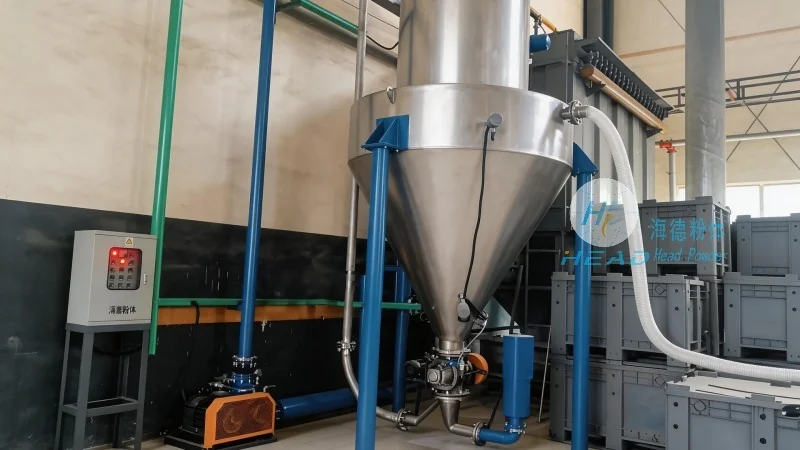
Overview of Bean Conveying Technologies
Bean conveying systems are designed to move beans from one location to another within processing facilities, storage areas, or during packaging operations. The choice of method depends on several factors, including the type of bean (e.g., soybeans, peas, lentils), the volume of material, the distance to be covered, and the desired level of control over the conveying process. Common bean conveying methods include gravity flow, mechanical conveyors (like belt and screw conveyors), and pneumatic (air-assisted) systems. Each method offers unique benefits and is best suited for specific scenarios.
Gravity Conveying Systems
Gravity conveying relies on the natural downward movement of beans due to gravity. This method is typically used for short distances and when the elevation change is sufficient to allow the material to flow without external power. In gravity systems, beans are placed on a sloped surface or chute, and they move under the influence of gravity. The main advantages of gravity conveying include low energy consumption, minimal maintenance, and the ability to handle large volumes of material. However, this method is limited by the need for a suitable slope and is not suitable for long distances or when precise control over the flow rate is required. For example, in storage silos, gravity chutes are often used to transfer beans from the top to the bottom, where they can be further processed or packaged.
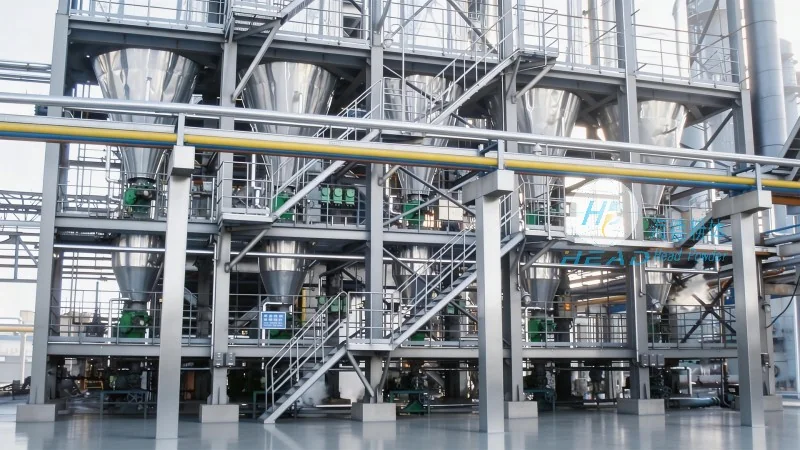
Mechanical Conveyors: Belt and Screw Conveyors
Mechanical conveyors are among the most widely used methods for bean conveying due to their versatility and reliability. Belt conveyors use a continuous belt that moves over rollers or pulleys to transport beans horizontally or at a slight incline. These systems are ideal for long distances and can handle a wide range of bean types, including those with varying sizes and shapes. The key advantages of belt conveyors include high capacity, low maintenance, and the ability to integrate with other processing equipment. Screw conveyors, also known as auger conveyors, use a rotating screw to push beans forward. They are particularly effective for vertical or inclined transport and can handle sticky or fibrous beans. Screw conveyors are often used in processing lines where beans need to be elevated or moved through processing equipment. Both belt and screw conveyors are commonly used in the food processing industry, including for soybeans, peas, and other legumes.
Pneumatic Conveying Systems
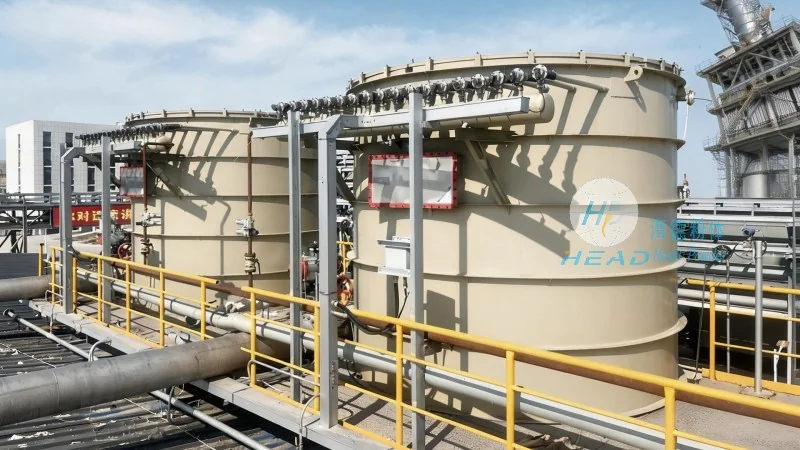
Pneumatic conveying, or air-assisted transport, uses compressed air to move beans through a pipeline. This method is highly effective for long distances and can handle beans with high moisture content or those that are prone to dust generation. Pneumatic systems can be classified into two main types: dilute-phase and dense-phase. Dilute-phase systems use low air velocity to transport beans in a cloud-like state, while dense-phase systems use higher air velocity to push beans in a more concentrated stream. The primary advantage of pneumatic conveying is its ability to transport beans without direct contact with the conveying equipment, which reduces wear and tear and minimizes contamination. However, pneumatic systems require more energy than mechanical or gravity systems and may not be suitable for very fine or delicate beans that could be damaged by the air flow.
Factors to Consider When Choosing a Conveying Method
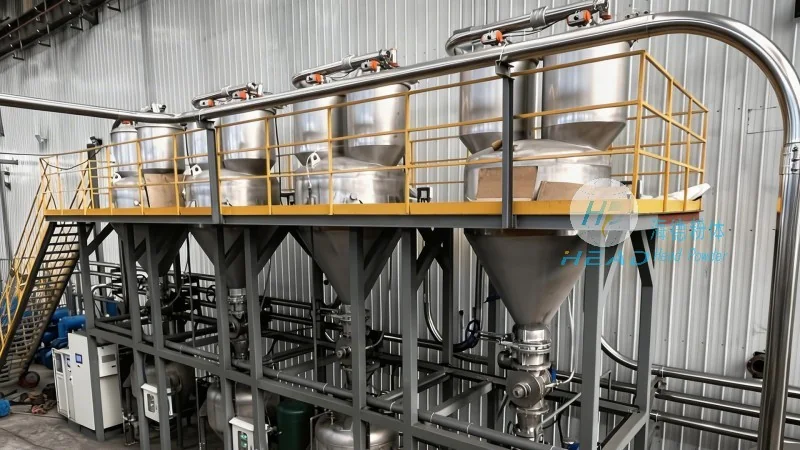
When selecting a bean conveying method, several factors must be considered to ensure optimal performance and cost-effectiveness. The first factor is the physical properties of the beans, such as size, shape, moisture content, and density. For example, larger beans may require a wider belt or a larger screw diameter to prevent blockages, while beans with high moisture content may need a pneumatic system that can handle the increased friction and heat. The second factor is the distance and elevation change required for the transport. For short distances and small elevation changes, gravity conveying may be sufficient, while longer distances or significant elevation changes may require mechanical or pneumatic systems. The third factor is the desired level of control over the flow rate and direction. Mechanical conveyors offer better control over the flow rate compared to gravity systems, while pneumatic systems can provide more precise control but at a higher cost. Finally, the overall budget and maintenance requirements should be considered. Mechanical systems generally have lower operating costs and maintenance needs compared to pneumatic systems, which may require more frequent filter changes and air compressor maintenance.
Application Examples
Bean conveying methods are widely used in various industries, including food processing, agriculture, and manufacturing. In the food processing industry, belt conveyors are commonly used to transport soybeans from storage bins to processing lines, where they are cleaned, dehulled, and ground into soybean products. Screw conveyors are often used to move peas and lentils through processing equipment, such as blanchers and dryers. Pneumatic systems are used in large-scale processing facilities to transport beans over long distances, such as from a warehouse to a packaging plant. In agricultural settings, gravity chutes are used to transfer beans from field bins to trucks for transport to processing facilities. The choice of method depends on the specific application and the characteristics of the beans being handled.
Conclusion
Choosing the right bean conveying method is essential for efficient and cost-effective operations in industrial settings. Gravity conveying is suitable for short distances and low-cost applications, while mechanical conveyors (belt and screw) offer versatility and reliability for a wide range of applications. Pneumatic systems are ideal for long distances and precise control but require higher energy input. When selecting a method, it is important to consider the physical properties of the beans, the distance and elevation change, the level of control needed, and the overall budget and maintenance requirements. By carefully evaluating these factors, businesses can select the most appropriate bean conveying system to meet their operational needs and ensure product quality.

 Công ty TNHH Kỹ thuật Công trình Bột Hải Đức Sơn Đông
 156-6277-7102(Quản lý Trương)
  0531-83386006
  Quận Chương Khâu, Thành phố Tế Nam, Tỉnh Sơn Đông, Trung Quốc
Điện thoại
WeChatTư vấn
Lên đầu