Công ty Hải Đức Bột với hơn 10 năm kinh nghiệm vận chuyển khí, cung cấp hệ thống‑thiết bị‑quạt gió và nhận dự án tổng thầu bột cả nước
When it comes to handling and transporting graphite lumps in industrial applications, selecting the right conveying method is crucial for efficiency, cost-effectiveness, and material integrity. Graphite, a versatile material used in various industries including refractories, batteries, and lubricants, requires specialized equipment to ensure safe and effective movement. This article provides a detailed comparison of common graphite lumps conveying methods, highlighting their applications, advantages, and limitations. The information is presented by Shandong HeadPowder Engineering Co., Ltd., a leading manufacturer specializing in powder and bulk material handling solutions based in Shandong, China.
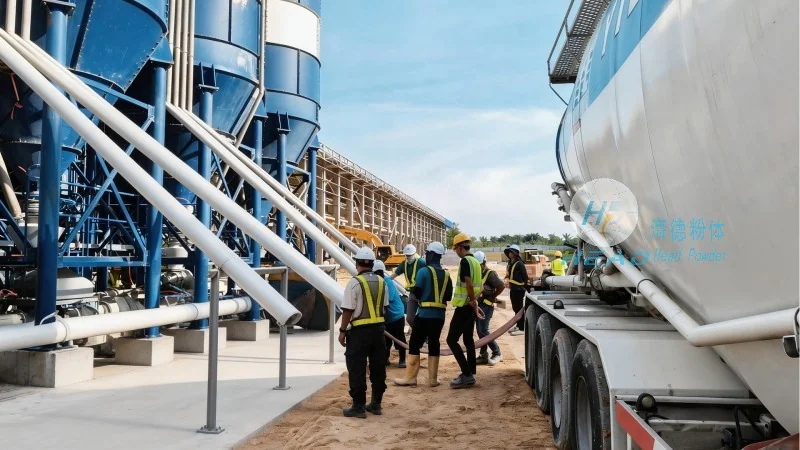
1. Screw Conveyors: The Traditional Choice for Graphite Lumps
Screw conveyors, also known as auger conveyors, are a popular choice for transporting graphite lumps due to their simplicity and reliability. These systems consist of a rotating screw (auger) inside a trough or tube, which moves material forward through the rotating mechanism. For graphite lumps, screw conveyors are particularly effective when the material is dry and free-flowing. The key advantages of screw conveyors include their ability to handle a wide range of lump sizes, from small granules to larger pieces, and their compact design that requires minimal space. Additionally, screw conveyors are relatively low-maintenance and can operate continuously without the need for complex controls. However, they have limitations when dealing with sticky or cohesive graphite lumps, as the material may stick to the screw surface, leading to reduced efficiency and potential blockages. The design of the screw pitch and flight angle is critical to prevent material buildup and ensure smooth operation. In industrial settings, screw conveyors are commonly used in graphite processing plants for initial material transfer from storage bins to processing equipment.
2. Belt Conveyors: High-Capacity Solutions for Bulk Graphite Lumps
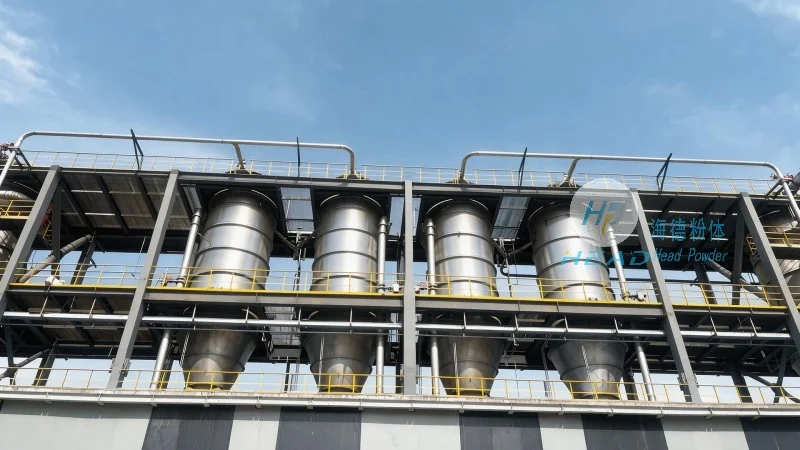
Belt conveyors are another widely used method for transporting large volumes of graphite lumps, especially in mining and processing operations. These systems utilize a continuous belt that moves over rollers or pulleys, carrying the material from one point to another. Belt conveyors are known for their high capacity and ability to cover long distances, making them suitable for large-scale graphite handling applications. The primary advantage of belt conveyors is their efficiency in moving heavy loads over extended distances with minimal energy consumption. They are particularly effective for transporting graphite lumps that are not overly abrasive or sticky, as the belt material can be selected to withstand the material's properties. However, belt conveyors require regular maintenance, such as belt tension adjustments and pulley replacements, to ensure optimal performance. Additionally, they may not be suitable for very fine or powdery graphite, as the material can cause wear on the belt and rollers. Belt conveyors are often integrated into automated production lines, where they work in conjunction with other equipment like crushers and classifiers to move graphite lumps through the processing stages.
3. Pneumatic Conveying Systems: Flexible and Durable for Graphite Lumps
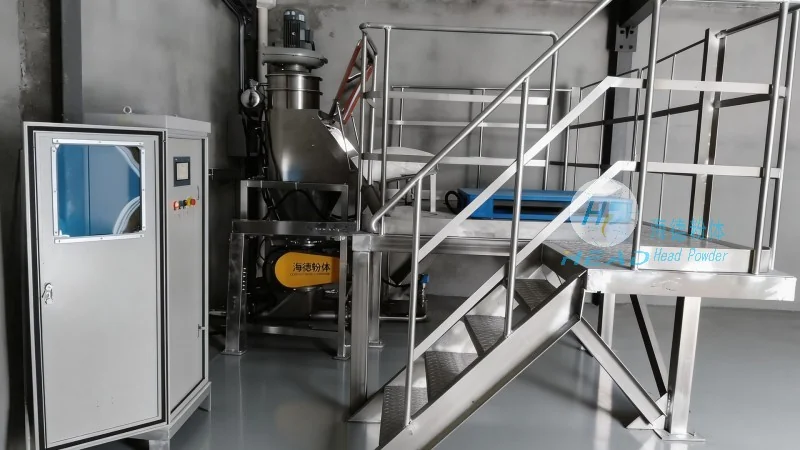
Pneumatic conveying systems use air or other gases to transport graphite lumps through a pipeline network. This method is highly flexible and can be adapted to various industrial environments, making it an attractive option for applications requiring complex material routing. There are two main types of pneumatic conveying: pressure and vacuum systems. Pressure systems use compressed air to push the material through the pipeline, while vacuum systems use suction to draw the material into the line. For graphite lumps, pneumatic conveying is particularly effective when the material is dry and non-corrosive, as the system can handle both fine and coarse particles without the need for additional equipment. The key advantages of pneumatic conveying include its ability to transport material vertically and horizontally, and its low maintenance requirements compared to mechanical systems. However, it has limitations when dealing with high-density or abrasive graphite lumps, as the system may experience wear on the pipeline and valves over time. Additionally, the energy consumption of pneumatic conveying can be higher than other methods, especially for long-distance or high-volume applications. Pneumatic conveying systems are commonly used in graphite processing plants for transporting lumps from storage to processing areas, and for transferring material between different processing stages.
4. Bucket Elevators: Vertical Transport of Graphite Lumps
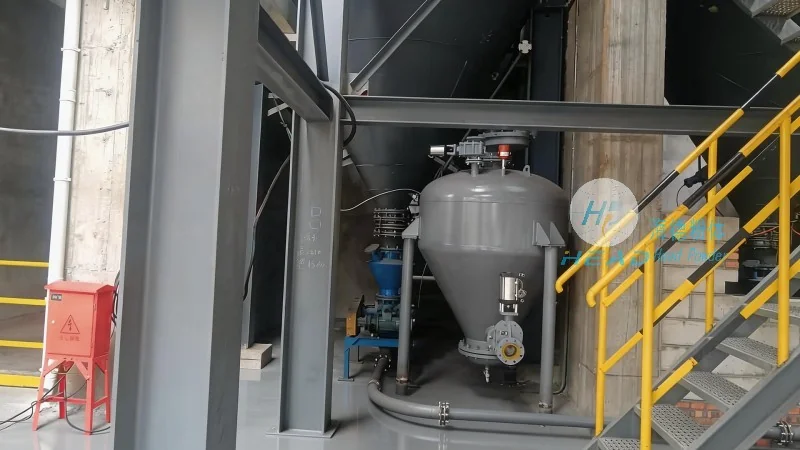
Bucket elevators are specialized equipment designed for vertical transport of graphite lumps, making them ideal for applications where material needs to be lifted to significant heights. These systems consist of a series of buckets attached to a chain or belt, which moves vertically within a housing. The buckets scoop up the material at the bottom and release it at the top, allowing for efficient vertical movement. The primary advantage of bucket elevators is their high capacity and ability to handle large volumes of graphite lumps with minimal space requirements. They are particularly effective for vertical transport in processing plants, where the material needs to be moved from ground level to elevated processing equipment. However, bucket elevators have limitations when dealing with very large or irregularly shaped graphite lumps, as the buckets may not be able to accommodate the material properly, leading to spillage or reduced efficiency. Additionally, they require regular maintenance to ensure the buckets and chain are in good condition, as wear can affect the system's performance. Bucket elevators are commonly used in graphite processing facilities for lifting lumps from storage silos to processing lines, and for transferring material between different levels of the plant.
5. Comparison and Selection Criteria
When selecting a conveying method for graphite lumps, several factors must be considered to ensure the best fit for the application. The first consideration is the material characteristics, including the size, shape, and density of the graphite lumps. For example, fine or cohesive lumps may require pneumatic or belt conveyors, while larger, dry lumps may be better suited for screw or bucket elevators. The second factor is the distance and direction of material transport, as some methods are better for horizontal movement while others are designed for vertical transport. The third factor is the required capacity and throughput, as different systems have varying capabilities. Additionally, the cost of installation, maintenance, and operation must be evaluated, as these factors can significantly impact the overall efficiency of the system. Shandong HeadPowder Engineering Co., Ltd. recommends conducting a thorough analysis of these factors to determine the most suitable conveying method for specific graphite handling applications. By considering the material properties, transport requirements, and operational constraints, industries can select the optimal conveying system to ensure efficient and reliable graphite lumps transportation.

 Công ty TNHH Kỹ thuật Công trình Bột Hải Đức Sơn Đông
 156-6277-7102(Quản lý Trương)
  0531-83386006
  Quận Chương Khâu, Thành phố Tế Nam, Tỉnh Sơn Đông, Trung Quốc
Điện thoại
WeChatTư vấn
Lên đầu