Công ty Hải Đức Bột với hơn 10 năm kinh nghiệm vận chuyển khí, cung cấp hệ thống‑thiết bị‑quạt gió và nhận dự án tổng thầu bột cả nước
Organic salts, such as sodium acetate, potassium carbonate, and ammonium nitrate, are essential components in numerous industrial applications. Their handling and transportation require careful consideration due to their chemical properties, including potential moisture sensitivity and corrosive behavior. Efficient and safe transportation methods are critical to maintaining product quality, minimizing downtime, and ensuring compliance with safety regulations. This article provides a comprehensive comparison of common organic salt transportation methods, focusing on their operational principles, advantages, and limitations.
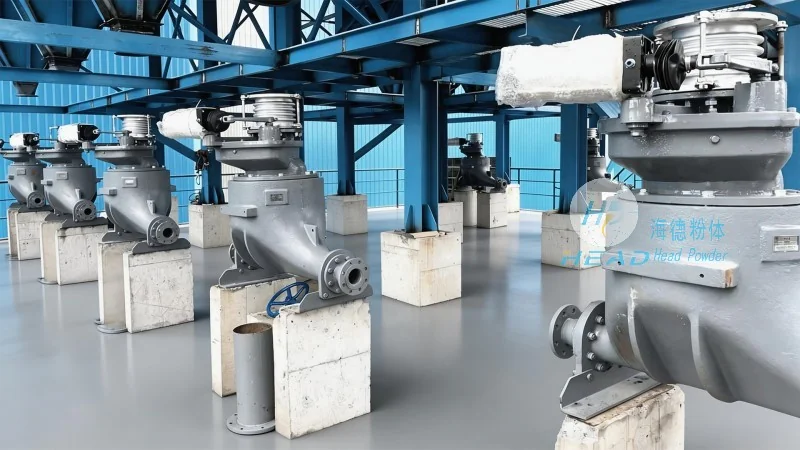
About HeadPowder
HeadPowder, a prominent enterprise in the chemical processing equipment sector, specializes in delivering advanced solutions for organic salt transportation. With a strong presence in Shandong, China, HeadPowder has built a reputation for innovation and reliability in the industry. The company’s expertise lies in designing and manufacturing equipment that meets the unique demands of organic salt handling, ensuring optimal performance and safety for clients worldwide.
Key Considerations for Organic Salt Transportation
Before selecting a transportation method, several factors must be evaluated. These include the physical properties of the organic salt (e.g., particle size, moisture content, and flowability), the required throughput, the distance of transportation, and the environmental conditions. Additionally, the cost of equipment, maintenance requirements, and safety measures are crucial in determining the most suitable method. Organic salts often require specialized equipment to prevent contamination, leakage, or degradation during transport.
Pneumatic Conveying: An Air-Driven Approach
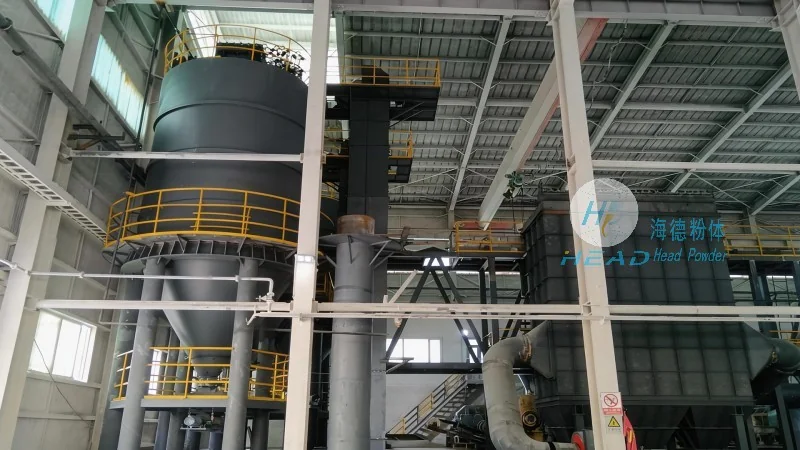
Pneumatic conveying uses compressed air to transport organic salts through a pipeline system. This method is particularly effective for fine powders and granules that are difficult to handle mechanically. The system typically consists of a hopper, a rotary valve, a conveying line, and a receiver. The organic salt is fed into the hopper, and compressed air is introduced to create a flow that moves the material through the pipeline. Pneumatic conveying offers advantages such as low maintenance, flexibility in layout, and the ability to transport materials over long distances. However, it has limitations, including higher energy consumption compared to other methods and potential issues with material segregation or degradation due to high air velocities.
Hydraulic Conveying: Pump-Driven Solutions
Hydraulic conveying, commonly known as pump-driven transport, is widely used for organic salts that are in a slurry or liquid state. This method involves using pumps to move the material through pipelines. For organic salts, positive displacement pumps or centrifugal pumps are often employed, depending on the viscosity and flow characteristics of the slurry. The choice of pump type is critical, as it affects the efficiency and reliability of the system. Hydraulic conveying is suitable for high-volume applications and can handle a wide range of organic salts, including those with high solids content. However, it requires regular maintenance to prevent pump wear and corrosion, and the system may need additional equipment for dewatering or solid-liquid separation.
Mechanical Conveying: Screw and Belt Systems
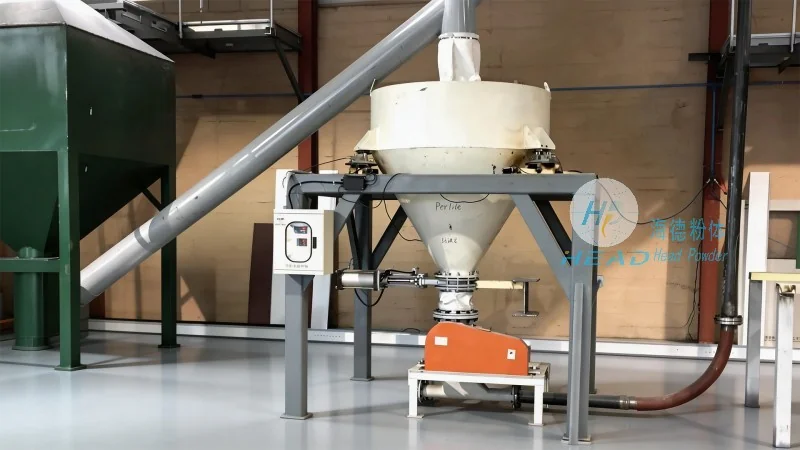
Mechanical conveying methods, such as screw conveyors and belt conveyors, are commonly used for bulk organic salts in solid form. Screw conveyors use a rotating screw to move material along a trough, while belt conveyors utilize a moving belt to transport the material horizontally or at an incline. These systems are straightforward, reliable, and cost-effective for short to medium distances. They are particularly suitable for organic salts with good flowability and low moisture content. However, mechanical conveyors may experience wear and tear over time, especially when handling abrasive or corrosive materials. Regular maintenance and material handling adjustments are necessary to ensure optimal performance.
Gravity Flow: The Simplest Method
Gravity flow, or static conveying, is the simplest method for transporting organic salts over short distances. This approach relies on the natural force of gravity to move the material from a higher elevation to a lower one. The system typically includes a hopper, a sloped pipe or chute, and a receiving container. Gravity flow is ideal for applications where the organic salt is already in a bulk storage and needs to be transferred to a processing unit. It is cost-effective and requires minimal energy input. However, it is limited by the vertical drop and the angle of the slope, and it may not be suitable for long distances or for materials with poor flow characteristics.
Comparative Analysis of Transportation Methods
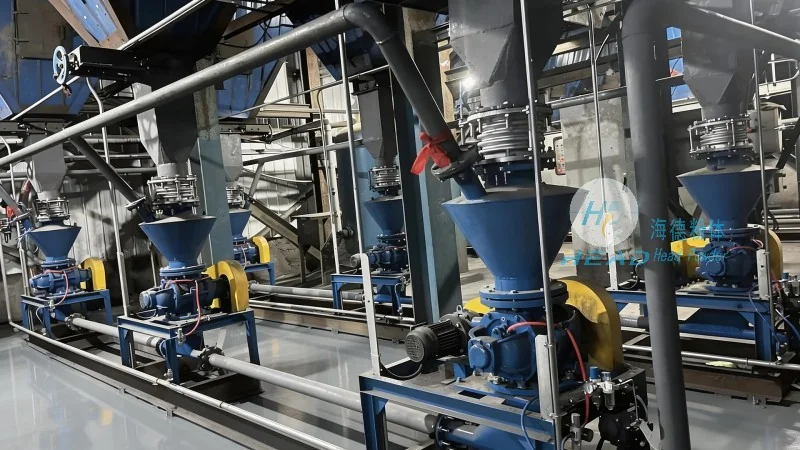
When comparing the various organic salt transportation methods, several factors come into play. Pneumatic conveying is best suited for fine powders and requires less equipment for short distances, but it is energy-intensive. Hydraulic conveying is efficient for high-volume slurry transport but demands regular maintenance. Mechanical conveyors offer reliability and cost-effectiveness for bulk solids but may suffer from wear. Gravity flow is simple and energy-efficient for short vertical drops but has limitations in distance and material flowability. The choice of method ultimately depends on the specific requirements of the application, including the properties of the organic salt, the distance of transport, and the available resources.
Conclusion
Organic salt transportation is a critical aspect of industrial operations, and selecting the appropriate method is essential for maintaining efficiency and safety. HeadPowder, with its expertise in chemical processing equipment, provides tailored solutions to meet the diverse needs of organic salt handling. By understanding the advantages and limitations of each transportation method, industries can make informed decisions to optimize their processes and ensure the reliable transport of organic salts. Whether through pneumatic, hydraulic, mechanical, or gravity flow, the right approach can enhance productivity and reduce operational risks.

 Công ty TNHH Kỹ thuật Công trình Bột Hải Đức Sơn Đông
 156-6277-7102(Quản lý Trương)
  0531-83386006
  Quận Chương Khâu, Thành phố Tế Nam, Tỉnh Sơn Đông, Trung Quốc
Điện thoại
WeChatTư vấn
Lên đầu