Công ty Hải Đức Bột với hơn 10 năm kinh nghiệm vận chuyển khí, cung cấp hệ thống‑thiết bị‑quạt gió và nhận dự án tổng thầu bột cả nước
Carbon fiber, a high-performance material with exceptional strength-to-weight ratio and excellent thermal and electrical properties, is widely used in aerospace, automotive, and sports equipment industries. The efficient and reliable transportation of carbon fiber raw materials and finished products is crucial for manufacturing processes. Various conveying methods have been developed to handle carbon fiber's unique characteristics, such as its low bulk density, high brittleness, and static electricity generation. This article provides a detailed comparison of common carbon fiber conveying methods, focusing on their principles, advantages, disadvantages, and typical applications.
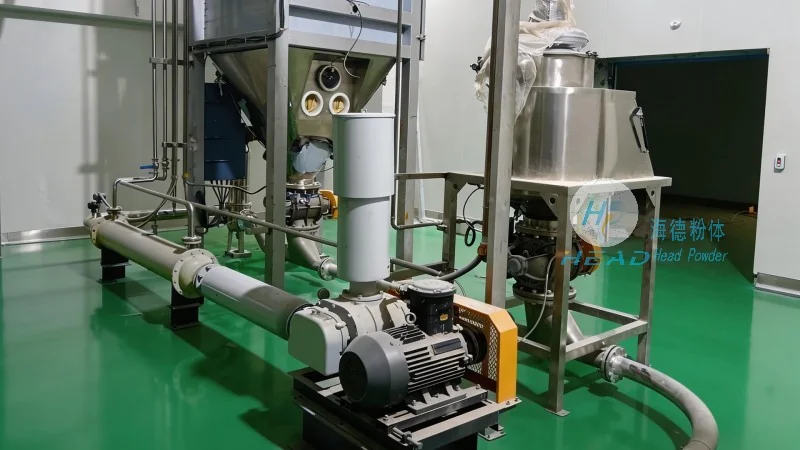
1. Vacuum Conveying System
Vacuum conveying, also known as pneumatic conveying with negative pressure, is a widely used method for transporting carbon fiber powders and short fibers. The system operates by creating a vacuum in the receiving container and using a pump to draw material from the source into the transport line. HeadPowder Engineering Co., Ltd., a leading manufacturer in China, specializes in designing and manufacturing vacuum conveying systems tailored for carbon fiber applications. The vacuum system effectively handles fine carbon fiber powders, preventing dust dispersion and ensuring a clean working environment. Key advantages include low material degradation, minimal product contamination, and the ability to transport materials over long distances without the need for complex infrastructure. However, vacuum conveying has limitations, such as lower throughput compared to positive pressure systems and potential issues with abrasive materials that may cause wear on the system components. The system is ideal for applications requiring gentle handling of delicate carbon fiber materials, such as in the production of carbon fiber composites for aerospace components.
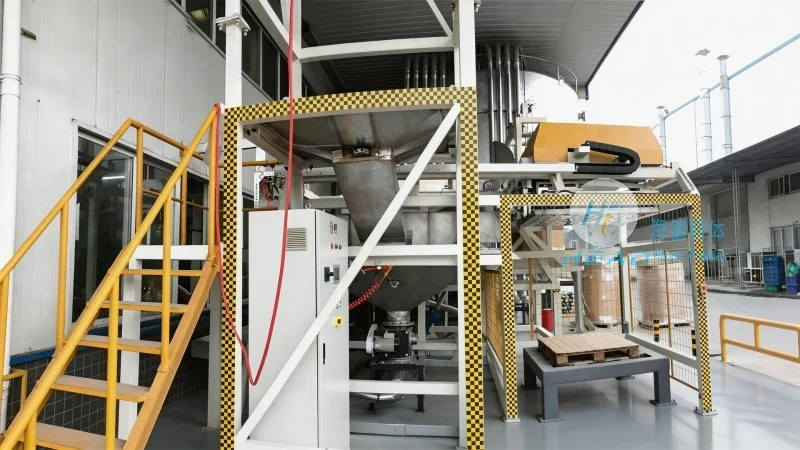
2. Screw Conveying System
Screw conveying, or auger conveying, utilizes a rotating screw within a tube to move carbon fiber materials. This method is suitable for both bulk and granular carbon fiber products. The screw's rotation pushes the material forward, and the system can operate under both positive and negative pressure conditions. HeadPowder Engineering Co., Ltd. offers customized screw conveyors designed to handle the specific properties of carbon fiber, including its low bulk density and tendency to stick to surfaces. Screw conveyors are known for their simplicity, low maintenance, and ability to handle a wide range of materials. They are particularly effective for vertical or inclined material transport, making them suitable for elevating carbon fiber powders from storage bins to processing lines. A significant advantage is the system's ability to maintain a consistent flow rate, which is critical for controlling the feeding rate in carbon fiber manufacturing processes. However, screw conveyors may experience issues with material buildup and blockages, especially with fibrous materials like carbon fiber. Additionally, the system's capacity is limited by the screw size and speed, which may not meet high-volume production demands. The screw conveyor is commonly used in carbon fiber production lines for transporting raw fibers or preforms to the molding stations.
3. Air-Lift Conveying System
Air-lift conveying, a type of pneumatic conveying system, uses a vertical pipe with an air inlet at the bottom and an outlet at the top to transport carbon fiber materials. The system operates by introducing air into the pipe, creating a low-pressure zone that draws material from the source into the pipe. HeadPowder Engineering Co., Ltd. has developed air-lift systems specifically for carbon fiber applications, addressing the challenges of handling lightweight and static-prone materials. Air-lift conveyors are advantageous for vertical transport over short to medium distances, as they require minimal space and can handle large volumes of material. The system is particularly effective for transporting carbon fiber powders from ground-level storage to elevated processing areas. A key benefit is the low energy consumption compared to other pneumatic conveying methods, making it cost-effective for medium-scale operations. However, air-lift systems have limitations in terms of distance and material size, as larger particles may settle and cause blockages. The system is also susceptible to pressure fluctuations, which can affect the flow rate and material transport efficiency. Air-lift conveyors are commonly used in carbon fiber manufacturing for vertical transport of raw materials, such as in the production of carbon fiber-reinforced polymer (CFRP) components.
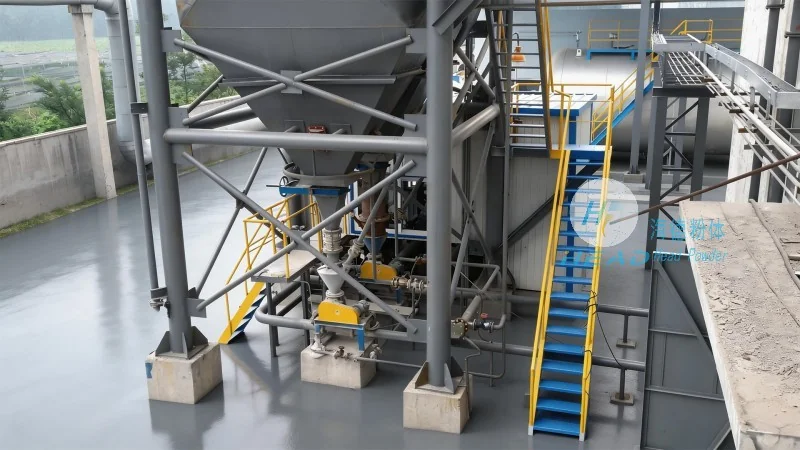
4. Positive Pressure Conveying System
Positive pressure conveying, or pressure pneumatic conveying, operates by using a blower or compressor to generate positive pressure in the transport line, pushing material from the source to the destination. This method is suitable for transporting carbon fiber materials over longer distances and at higher flow rates compared to vacuum systems. HeadPowder Engineering Co., Ltd. specializes in designing positive pressure conveying systems that can handle the abrasive and static properties of carbon fiber. The system's high pressure allows for efficient material transport, reducing the risk of material degradation and ensuring consistent flow rates. A major advantage is the ability to transport materials through complex piping networks, including bends and vertical sections, without the need for additional equipment. However, positive pressure systems require more energy compared to vacuum systems and may cause higher material degradation due to the higher air velocity. The system also generates more dust and requires proper filtration to maintain a clean environment. Positive pressure conveying is widely used in carbon fiber production for transporting large quantities of raw fibers or finished products from processing lines to storage or packaging areas.
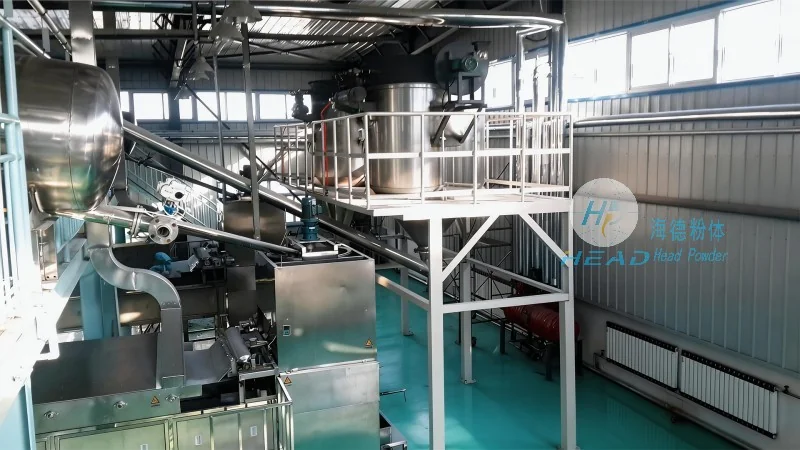
5. Comparison Summary
When selecting a carbon fiber conveying method, manufacturers must consider several factors, including material type, production scale, distance, and environmental requirements. Vacuum conveying is ideal for delicate, fine carbon fiber powders requiring gentle handling, while screw conveyors are suitable for bulk and granular materials with lower throughput needs. Air-lift systems are effective for vertical transport over short to medium distances, and positive pressure systems are preferred for long-distance, high-volume transport. HeadPowder Engineering Co., Ltd. provides comprehensive solutions tailored to these requirements, ensuring efficient and reliable carbon fiber transportation in various industrial applications. By understanding the characteristics of each conveying method and matching them to specific production needs, manufacturers can optimize their carbon fiber processing lines and improve overall operational efficiency.

 Công ty TNHH Kỹ thuật Công trình Bột Hải Đức Sơn Đông
 156-6277-7102(Quản lý Trương)
  0531-83386006
  Quận Chương Khâu, Thành phố Tế Nam, Tỉnh Sơn Đông, Trung Quốc
Điện thoại
WeChatTư vấn
Lên đầu