Công ty Hải Đức Bột với hơn 10 năm kinh nghiệm vận chuyển khí, cung cấp hệ thống‑thiết bị‑quạt gió và nhận dự án tổng thầu bột cả nước
When it comes to efficiently handling and transporting potatoes in agricultural and processing operations, selecting the right conveying system is crucial for maximizing productivity and minimizing operational costs. Various methods are employed across the industry, each with distinct advantages and applications. This article provides a detailed comparison of common potato conveying methods, highlighting their features, benefits, and suitability for different scenarios.
Introduction to Potato Conveying Systems
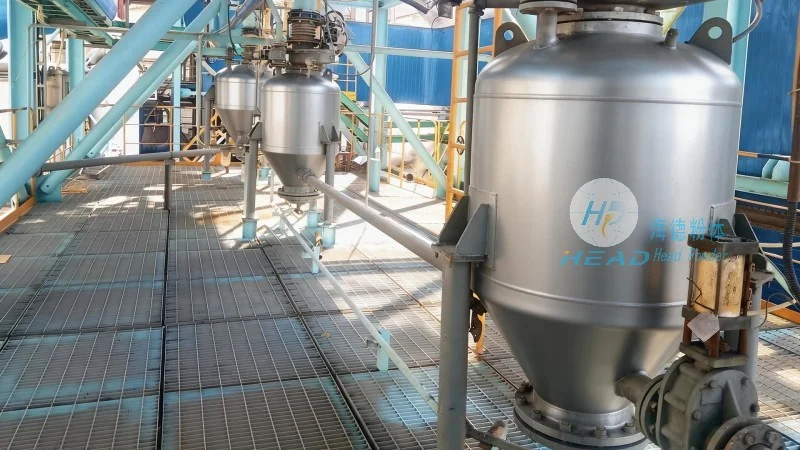
Before diving into specific methods, it's essential to understand the fundamental role of potato conveying systems in the supply chain. These systems are designed to move potatoes from storage, processing lines, or packaging areas with minimal damage and optimal efficiency. The choice of conveying method depends on factors such as potato size, moisture content, processing requirements, and the layout of the facility. Shandong HeadPowder Engineering Co., Ltd., a leading manufacturer based in China, specializes in developing customized conveying solutions tailored to the unique needs of potato processing facilities.
1. Belt Conveyors: The Workhorse of Potato Handling
Belt conveyors are among the most widely used potato conveying systems due to their versatility and reliability. These systems consist of a continuous belt that moves over rollers or a flat surface, transporting potatoes in a linear path. The belt can be made from various materials, including rubber or PVC, which are chosen based on the potato's characteristics and the environment. For instance, a smooth belt is suitable for moving clean, dry potatoes, while a textured or cleated belt may be preferred for wet or sticky potatoes to prevent slippage. Belt conveyors are particularly effective for long-distance transportation and can be configured with inclines or declines to accommodate different elevations. They are also easy to integrate with other processing equipment, such as washing stations or sorting machines. Shandong HeadPowder Engineering Co., Ltd. offers a range of belt conveyor solutions, including variable speed drives and adjustable incline angles, ensuring seamless integration into existing potato processing lines.
2. Screw Conveyors: Ideal for Vertical and Horizontal Transport
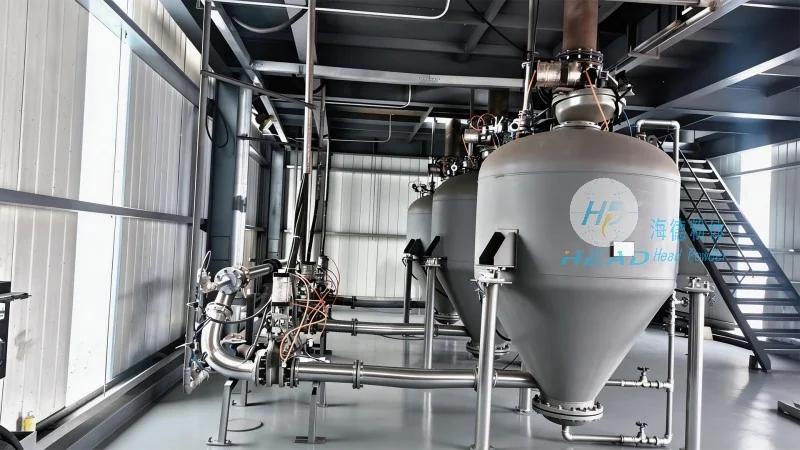
Screw conveyors, also known as auger conveyors, are another common option for potato handling. These systems use a rotating screw (auger) to move potatoes through a cylindrical tube. The screw's rotation causes the potatoes to move forward, making screw conveyors suitable for both horizontal and vertical transport. They are particularly effective for moving potatoes in a compact space or when a vertical lift is required, such as from a storage bin to a processing line. Screw conveyors are often used in combination with other equipment, like hoppers or feeders, to control the flow of potatoes. However, they may not be as suitable for very large or irregularly shaped potatoes, as the screw can cause damage or blockages. Shandong HeadPowder Engineering Co., Ltd. manufactures screw conveyors with durable stainless steel construction and variable speed controls, ensuring efficient and safe transport of potatoes in various processing stages.
3. Vibrating Conveyors: Gentle Handling for Sensitive Potatoes
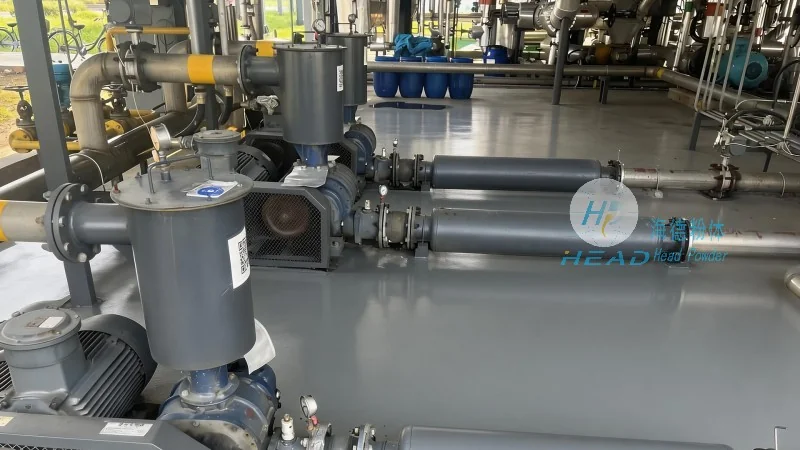
Vibrating conveyors are designed to move potatoes with minimal impact, making them ideal for handling delicate or high-value potatoes. These systems use an oscillating motion to transport potatoes along a trough or conveyor bed. The vibration reduces friction and prevents the potatoes from sticking together or being damaged during transport. Vibrating conveyors are commonly used in sorting and grading operations, where gentle handling is essential to maintain the potatoes' quality. They are also effective for moving potatoes with high moisture content or in environments where dust control is a priority. Shandong HeadPowder Engineering Co., Ltd. provides vibrating conveyor solutions with adjustable vibration frequencies and materials, allowing for customization based on the specific characteristics of the potatoes being handled.
4. Pneumatic Conveying: High-Speed and Flexible Transport
Pneumatic conveying systems use air pressure to transport potatoes in a closed pipeline. This method is particularly useful for moving potatoes over long distances or in complex layouts, as it eliminates the need for multiple transfer points. Pneumatic conveyors can be either positive or negative pressure systems, depending on the application. Positive pressure systems blow air and potatoes through the pipeline, while negative pressure systems create a vacuum to draw the potatoes in. Pneumatic conveying is fast and efficient, but it requires careful maintenance to prevent clogging and ensure consistent performance. Shandong HeadPowder Engineering Co., Ltd. offers pneumatic conveying solutions with high-capacity pipelines and advanced filtration systems, ensuring reliable transport of potatoes in processing facilities.
5. Comparison and Selection Criteria
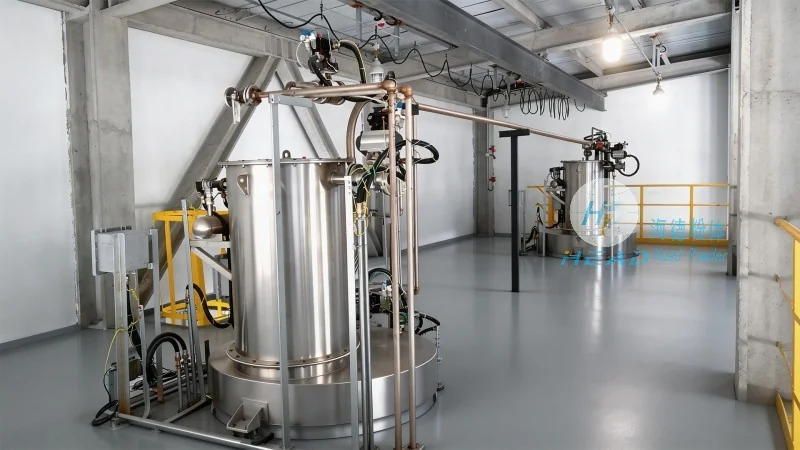
When choosing a potato conveying method, several factors must be considered to ensure the best fit for the operation. The first consideration is the potato's characteristics, such as size, shape, and moisture content. For example, belt conveyors are suitable for large, smooth potatoes, while vibrating conveyors are better for smaller or more delicate varieties. The second factor is the distance and layout of the facility. Belt and screw conveyors are ideal for short to medium distances, while pneumatic conveyors are better for long distances. The third factor is the desired level of gentleness and damage prevention. Vibrating conveyors are preferred for high-value potatoes, while belt conveyors can handle more robust varieties. Finally, the budget and maintenance requirements must be evaluated. Shandong HeadPowder Engineering Co., Ltd. assists clients in evaluating these factors and selecting the most appropriate conveying system, ensuring optimal performance and cost-effectiveness.
Conclusion: Partnering with HeadPowder for Efficient Potato Conveying
Efficient potato conveying is a critical component of any successful potato processing operation. By understanding the advantages and limitations of different conveying methods, processors can make informed decisions that enhance productivity and product quality. Shandong HeadPowder Engineering Co., Ltd., with its expertise in manufacturing customized conveying solutions, provides reliable and efficient systems tailored to the unique needs of potato handling facilities. Whether using belt, screw, vibrating, or pneumatic conveyors, partnering with HeadPowder ensures that potato processing operations run smoothly and efficiently, meeting the demands of the modern market.

 Công ty TNHH Kỹ thuật Công trình Bột Hải Đức Sơn Đông
 156-6277-7102(Quản lý Trương)
  0531-83386006
  Quận Chương Khâu, Thành phố Tế Nam, Tỉnh Sơn Đông, Trung Quốc
Điện thoại
WeChatTư vấn
Lên đầu