Công ty Hải Đức Bột với hơn 10 năm kinh nghiệm vận chuyển khí, cung cấp hệ thống‑thiết bị‑quạt gió và nhận dự án tổng thầu bột cả nước
When it comes to the efficient and reliable transportation of compound fertilizers in agricultural and industrial applications, selecting the right conveying method is crucial. The choice of system impacts operational efficiency, material handling costs, and overall production quality. This article provides a detailed comparison of common compound fertilizer conveying methods, highlighting their advantages, limitations, and typical applications. The information is presented by Shandong HeadPowder Engineering Co., Ltd., a leading provider of specialized material handling solutions based in Shandong, China.
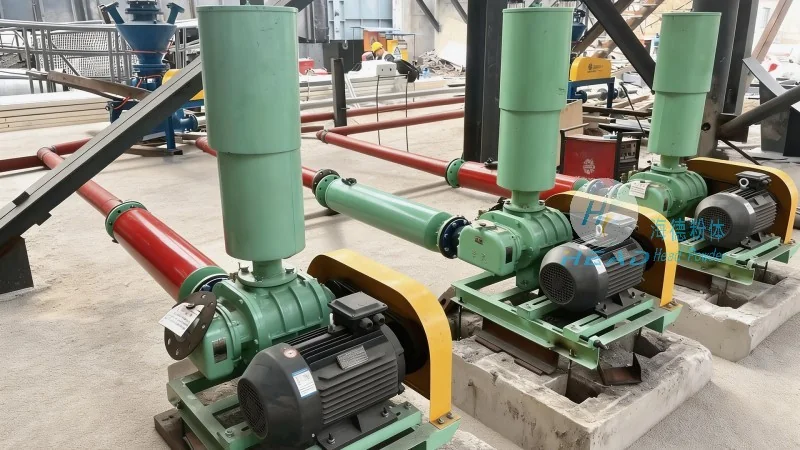
Overview of Compound Fertilizer Conveying Systems
Compound fertilizers, which combine multiple nutrients like nitrogen, phosphorus, and potassium, require specialized handling due to their granular or powder nature. Conveying systems must ensure minimal product degradation, prevent caking or segregation, and maintain consistent flow rates. The primary methods used in the industry include pneumatic conveying, screw conveyors, and pipeline conveyors. Each method has distinct characteristics that make it suitable for different operational requirements.
Pneumatic Conveying Systems
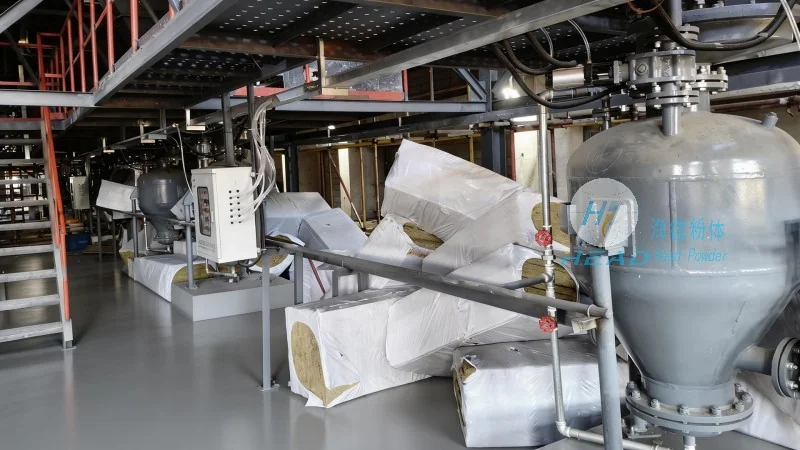
Pneumatic conveying, also known as air-based or air-powered conveying, utilizes compressed air to transport material through a pipeline. This method is highly effective for handling fine powders and granules, as it minimizes product contact with equipment and reduces the risk of segregation. There are two main types of pneumatic systems: pressure and vacuum. Pressure systems use positive pressure to push material through the line, while vacuum systems use negative pressure to pull material from a hopper or storage silo. Pneumatic conveying is particularly advantageous for long-distance transport and when the fertilizer needs to be delivered to multiple points. However, it requires significant energy input and may be less efficient for very large volumes or heavy granules. The system also needs regular maintenance to ensure air filtration and prevent dust accumulation.
Screw Conveyors
Screw conveyors, or auger conveyors, use a rotating helical screw to move material along a trough. This method is ideal for handling bulk materials in a continuous flow, making it suitable for short to medium distances within a facility. Screw conveyors are relatively simple in design, low-cost to install, and easy to maintain. They can handle a wide range of fertilizer types, from fine powders to larger granules, as long as the material is free-flowing and does not contain excessive moisture that could cause clogging. The main advantage of screw conveyors is their ability to operate in a closed system, which helps maintain product purity and prevent contamination. However, they are less effective for long-distance transport and may experience wear and tear on the screw and trough due to abrasive materials. Regular inspection and lubrication are necessary to ensure smooth operation.
Pipeline Conveyors
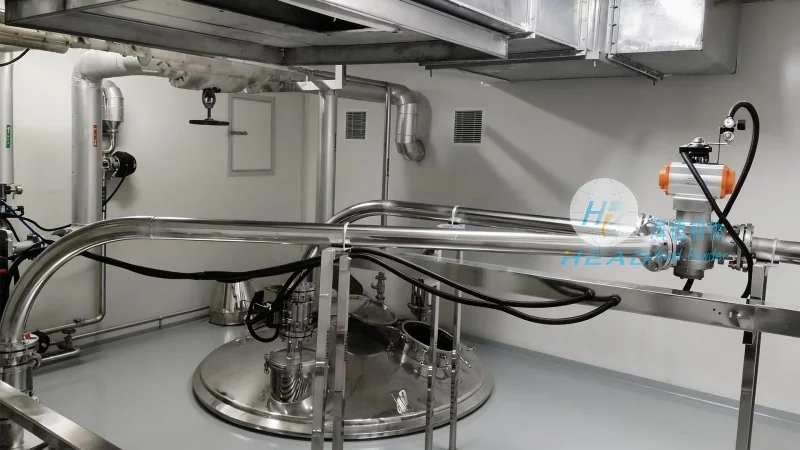
Pipeline conveyors, also called tube or hose conveyors, use flexible or rigid tubes to transport material through a network of pipes. This method is highly versatile and can be configured for both horizontal and vertical transport. It is particularly useful for applications requiring flexibility, such as moving fertilizer from a storage silo to a distribution point or for on-site blending operations. Pipeline conveyors are capable of handling various fertilizer forms, including granules and powders, and can be integrated with other processing equipment. The system is compact and can be installed in tight spaces, making it suitable for facilities with limited floor space. However, the main drawback is the potential for material buildup in the tubes, especially with high-moisture or sticky fertilizers. Regular cleaning and maintenance are required to prevent clogging and ensure consistent performance. Additionally, the cost of flexible tubing can be higher than other systems for large-scale operations.
Choosing the Right Conveying Method
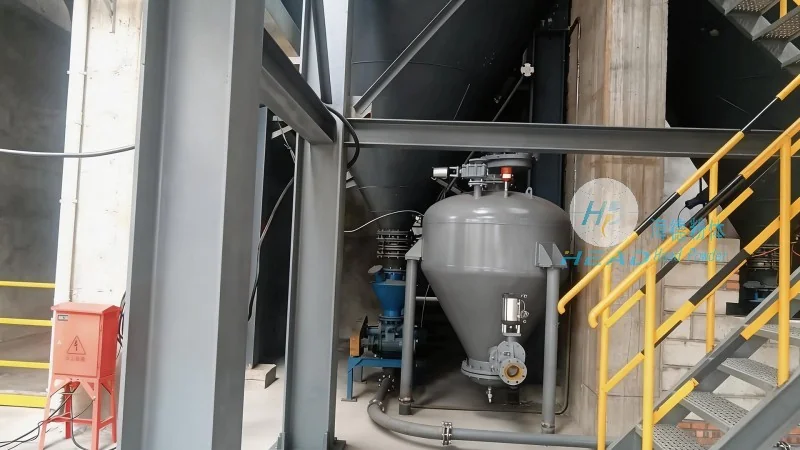
The selection of a compound fertilizer conveying method depends on several factors, including the type of fertilizer (granular vs. powder), the distance to be covered, the required flow rate, and the available space and budget. Pneumatic conveying is often preferred for long-distance or high-purity applications, while screw conveyors are suitable for shorter distances and bulk handling. Pipeline conveyors offer flexibility and are ideal for complex layouts. Shandong HeadPowder Engineering Co., Ltd. specializes in designing and manufacturing customized conveying systems that meet the specific needs of clients. By evaluating the material characteristics and operational requirements, the company can recommend the most efficient and cost-effective solution for each project. Whether it's a new facility or an upgrade to an existing system, the goal is to enhance productivity, reduce downtime, and ensure the quality of the compound fertilizer is maintained throughout the conveying process.

 Công ty TNHH Kỹ thuật Công trình Bột Hải Đức Sơn Đông
 156-6277-7102(Quản lý Trương)
  0531-83386006
  Quận Chương Khâu, Thành phố Tế Nam, Tỉnh Sơn Đông, Trung Quốc
Điện thoại
WeChatTư vấn
Lên đầu